Mechanical Shock Absorbers
Mechanical shock absorbers for tools and industrial applications, including gas and hydraulic designs for vibration damping and impact control. The category spans budget to mid-range options (average price ~(price varies)) with 43 products and an average rating of 4.36; notable brands include Gabriel
Top Products

Gabriel Fleetline heavy duty shock absorbers for commercial trucks
Gabriel
Mid-Range
Monroe Reflex 911506 suspension shock absorber
Monroe
Mid-Range
Monroe Reflex Shock Absorber for Silverado 1500
Monroe
Mid-Range
Gabriel Fleetline Front Shock Absorbers for Ford/International
Gabriel
Budget
Gabriel 83169 Fleetline Shock Absorber for IC/International School Bus
Gabriel
Mid-Range
Gabriel Fleetline Heavy Duty Front Shock Absorbers
Gabriel
Mid-Range
Gabriel Fleetline heavy duty front shock absorbers for Ford/International
Gabriel
Budget
Gabriel Fleetline Heavy Duty Rear Shock Absorber for Hendrickson/Intraax
Gabriel
Mid-Range
Gabriel Fleetline Front/Rear Shock Absorber - Brockway, Ford F-600 to Volvo FE
Gabriel
Mid-Range
Gabriel Fleetline Front/Rear Shock Absorber for heavy-duty trucks and buses
Gabriel
Mid-Range
Gabriel Fleetline Heavy Duty Cab Shock Absorbers for Freightliner & M2
Gabriel
Mid-Range
Gabriel Fleetline Front Shock Absorbers for Ford trucks
Gabriel
Mid-Range
Gabriel Fleetline rear shock absorbers for Cush trailer suspensions
Gabriel
Mid-Range
Gabriel Fleetline heavy duty cab shock absorbers for Western Star loaders
Gabriel
Mid-Range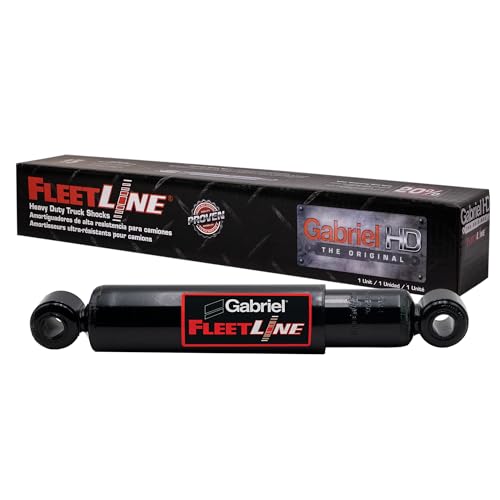
Gabriel 83127 Fleetline shock absorbers for heavy duty trucks
Gabriel
Mid-Range
Gabriel Fleetline Heavy Duty Shock Absorbers for SAF Holland & Trailmobile
Gabriel
Mid-Range
Gabriel 85935 Fleetline heavy-duty rear shock absorbers
Gabriel
Mid-Range
Gabriel Fleetline Heavy Duty Front Shock Absorbers
Gabriel
Mid-Range
Gabriel Fleetline Front Shock Absorbers for heavy-duty trucks and buses
Gabriel
Mid-Range
Gabriel 85006 heavy-duty shock absorbers for motorhome and bus fleets
Gabriel
Mid-Range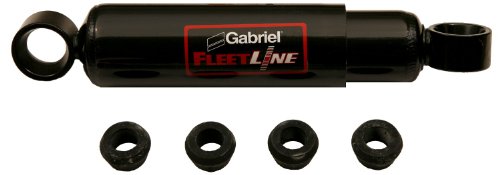
Gabriel Fleetline Heavy Duty Shock Absorbers for Prevost & ACF Brill
Gabriel
Mid-Range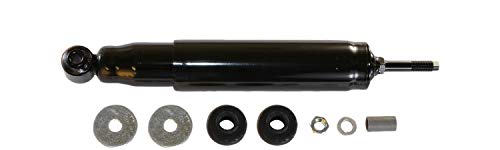
Gabriel 83301 Fleetline heavy-duty rear shock absorbers
Gabriel
Mid-Range
Gabriel Fleetline Heavy Duty Front/Rear Shock Absorbers
Gabriel
Mid-Range
Gabriel Fleetline Rear Shock Absorber for Blue Bird School Buses
Gabriel
Mid-RangeRoundups
Frequently Asked Questions
How do I choose the right mechanical shock absorber for my vehicle or machinery?
Match the shock absorber to the vehicle or equipment make, model, and year or to the machine’s specifications (mounting type, stroke length, and load capacity). Check whether the application requires twin-tube or monotube designs, and confirm compatibility with original mounting hardware and suspension geometry
What specifications matter most when comparing shock absorbers?
Key specifications are load capacity (or spring rate compatibility), stroke length, mounting type (eye, stud, or ball), damping type (adjustable vs. fixed), and operating pressure or gas-charged versus hydraulic construction. Materials and corrosion protection are also important for durability in harsh environments
Are adjustable shock absorbers worth the extra cost?
Adjustable shocks let you tune rebound and/or compression to suit driving style, load conditions, or work tasks, which is beneficial for towing, performance driving, or variable payloads. For routine street use or simple replacements, fixed-rate shocks often provide adequate performance at lower cost
What maintenance is required to maximize shock absorber life?
Inspect shocks periodically for leaks, dents, broken mounts, or excessive rust; check for abnormal tire wear and handling changes that signal failure. Keep mounting points clean and replace worn bushings or hardware; shocks are typically replaced rather than rebuilt once oil or gas leakage and internal wear occur
How long do mechanical shock absorbers typically last and when should they be replaced?
Service life depends on use and conditions but commonly ranges from 30,000 to 100,000 miles for vehicle applications; industrial use varies with duty cycle. Replace them when you notice reduced damping, increased bounce, fluid leaks, uneven tire wear, or damaged mounts
What are the trade-offs between budget and premium shock absorbers?
Budget shocks usually cost less and can restore basic ride control, but may use simpler valving and shorter-lived seals; premium options offer more advanced valving, adjustable features, and corrosion-resistant materials for longer service life and improved control. Choose based on required performance, expected use, and total cost of ownership
How do I ensure correct fitment and avoid return issues when buying online?
Use the vehicle or equipment fitment lookup by entering exact make, model, year, axle position, or consult part-number cross-references; verify mounting style and measurements like extended/retracted length and stud/eye dimensions before purchase