Moisture Meters
Moisture meters for wood, building materials, and soil for professional and DIY use, including pin and pinless models. The category averages a 4.44 rating across 16 products with mid-range prices (about $34–$99, average $51), and includes brands like General Tools
Top Products

Pinless moisture meter for drywall & concrete
SHENZHEN REDDRAGON INSTRUMENTS CO.,LTD
Budget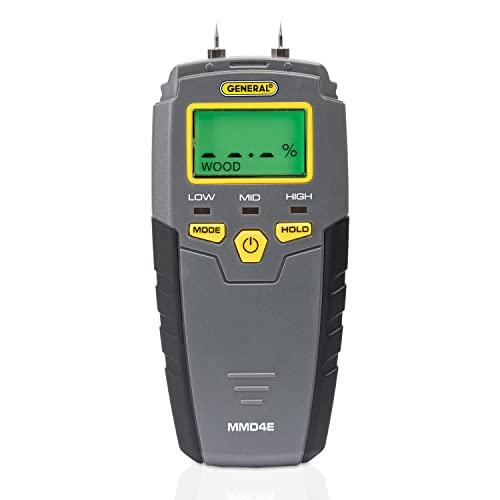
General Tools MMD4E moisture meter with backlit display
General Tools
Mid-Range
Pinless drywall moisture meter with ball sensor
SHENZHEN REDDRAGON INSTRUMENTS CO.,LTD
Mid-Range
General Tools moisture meter bundle with replacement pins
General Tools
Mid-Range
Wood moisture meter 2 in 1 pin & pinless with backlit screen
WoodSavr
Budget
Pinless moisture meter for home inspection
SHENZHEN REDDRAGON INSTRUMENTS CO.,LTD
Budget
Klein Tools ET140 Pinless Moisture Meter for Drywall, Wood & Masonry
KLEIN TOOLS
Mid-Range
RDINSCOS MT68 Pinless Moisture Meter for Walls and Floors
SHENZHEN REDDRAGON INSTRUMENTS CO.,LTD
Budget
Wood moisture meter with pin and pinless scan
WoodSavr
Budget
Pinless moisture meter with ball sensor for walls and wood
SHENZHEN REDDRAGON INSTRUMENTS CO.,LTD
Budget
General Tools digital moisture meter MMD7NP – pinless humidity sensor
General Tools
Mid-Range
Pinless moisture meter for wood, drywall & concrete
SHENZHEN REDDRAGON INSTRUMENTS CO.,LTD
Mid-Range
General Tools LCD Moisture Meter MM8
General Tools
Mid-Range
NDI 7 in 1 Pin-Type and Pinless Moisture Meter for Drywall and Wood
NDI
Mid-Range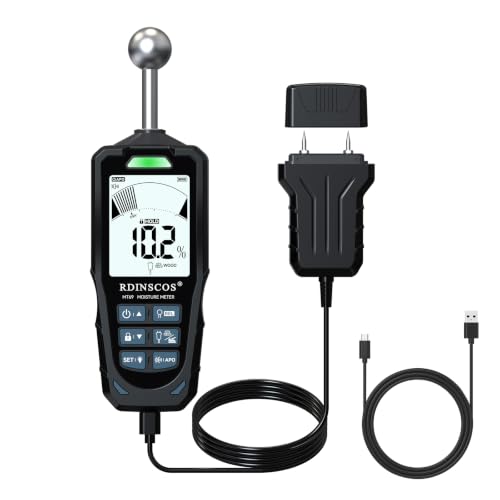
2-in-1 Pin & Pinless Moisture Meter for Wood & Drywall
SHENZHEN REDDRAGON INSTRUMENTS CO.,LTD
Mid-Range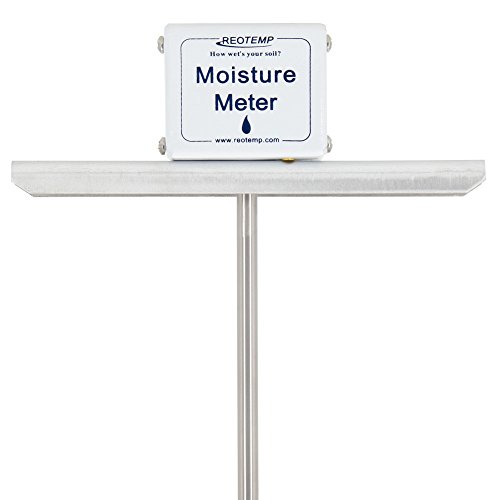
24 inch garden and compost moisture meter for soil testing
REOTEMP
Mid-RangeRoundups
Frequently Asked Questions
How do I choose between pin-type and pinless moisture meters?
Pin-type meters use metal probes to measure electrical resistance between pins and give direct moisture readings in specific spots, best for wood and building materials; pinless (non-invasive) meters use electromagnetic sensors to scan a surface area without penetration, ideal for finished floors or quick scans. Choose pin-type for precise readings in thick or layered materials and pinless for fast, non-damaging assessments over larger areas
What accuracy and moisture range should I look for in a moisture meter?
Look for meters that specify accuracy (± percentage points) and a moisture content range appropriate to your material—for wood typical ranges cover about 6–40% MC, while building-material scales or relative humidity modes may differ. Higher-accuracy (narrower error) and material-specific calibration curves improve reliability for trades and quality control
Are there moisture meters suited for both wood and building materials?
Yes; some meters provide selectable modes or separate scales for wood and for materials like drywall, concrete, or gypsum, and others include calibration tables or adjustable settings to account for different material densities. Verify the meter’s supported material modes and any reference charts before purchasing to ensure compatibility with your projects
What additional features should I consider (display, data logging, pins, probes)?
Consider a clear backlit display for low-light work, hold/peak functions to freeze readings, adjustable pin depth or replaceable pins, external probes for deep or hard-to-reach areas, and data-logging or Bluetooth connectivity if you need to save and analyze readings. Battery life and ruggedness (rubberized housing, IP rating) are also useful for jobsite durability
How do I maintain and calibrate a moisture meter?
Keep contact surfaces and pins clean, store the meter dry and at moderate temperature, replace worn or corroded pins, and follow the manufacturer’s recommended calibration or check procedures (such as using a calibration block or known reference sample) to verify accuracy periodically. For pinless units, avoid metal obstructions and check performance against a known material
What price range should I expect and how does price relate to capability?
Moisture meters commonly range from budget options under $50 up to several hundred dollars for professional units; lower-priced meters often offer basic pin or pinless functionality suitable for casual use, while higher-priced models add accuracy, multi-material modes, external probes, data logging, and rugged construction. Choose based on required accuracy, supported materials, and desired extra features
Can moisture meters measure moisture at depth or only at the surface?
Pin-type meters can measure moisture at the depth of the pins when they penetrate the material, giving point measurements beneath the surface, whereas pinless meters typically sense moisture over a shallow subsurface area (a few millimeters to centimeters depending on model) and are better for surface or near-surface scans. For deep internal moisture, use longer probes or specialized insertion sensors