Motion-Activated Wall Switches
Motion-activated wall switches for residential and light commercial use that automatically control lighting and occupancy sensors, available in hardwired and plug-in styles. The category spans budget through mid-range options (average price about (price varies)) and includes brands such as Lutron and Leviton among 35 indexed products with an average rating of 4.41
Top Products

Lutron Maestro Motion Sensor Switch, single-pole
Lutron
Budget
Maestro motion sensor light switch, single-pole, no neutral
Lutron
Budget
Lutron Maestro Motion Sensor Switch (Single-Pole, No Neutral) - MS-OPS5M-IV
Lutron
Budget
Lutron Maestro Motion Sensor Light Switch
Lutron
Budget
Lutron Maestro Motion Sensor Light Switch (2-pack) White
Lutron
Mid-Range
Lutron Maestro Motion Sensor Light Switch, 1-Pole, Palladium
Lutron
Mid-Range
Lutron Maestro Motion Sensor Switch MS-OPS2-HT
Lutron
Budget
Lutron Maestro motion sensor light switch (no neutral) white
Lutron
Mid-Range
TOPGREENER PIR Motion Sensor Switch, 2-pack, no neutral, no ground
TOPGREENER
Budget
Kasa Smart Motion Sensor Switch, 2-Pack
Kasa Smart
Mid-Range
Maestro Motion Sensor Light Switch (Brown) single-pole
Lutron
Mid-Range
TOPGREENER Dual Load Motion Sensor Switch TDOS5-JD
TOPGREENER
Mid-Range
Kasa Smart Motion Sensor Switch, Dimmer (2-Pack) ES20MP2
Kasa Smart
Mid-Range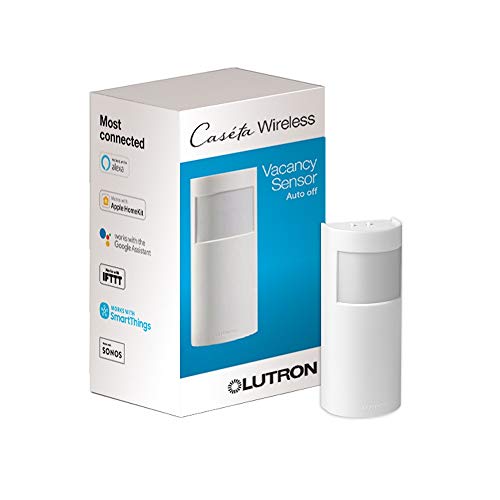
Lutron Caseta Vacancy Motion Sensor, White (PD-VSENS-WH)
Lutron
Mid-Range
ELEGRP occupancy motion sensor light switch, matte white
ELEGRP
Mid-Range
ECOELER 4-Pack In-Wall PIR Motion Sensor Switch
ECOELER
Mid-Range
Leviton occupancy motion sensor in-wall switch
Leviton
Budget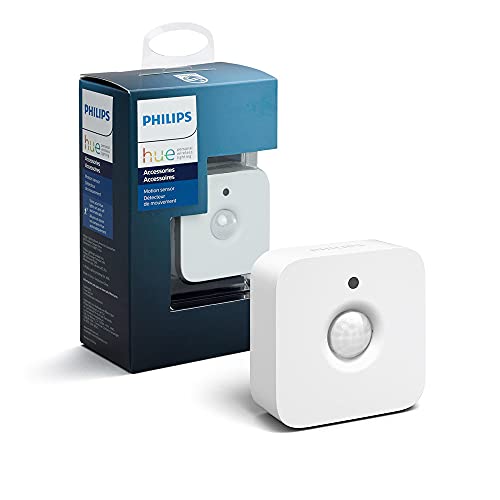
Philips Hue Motion Sensor for Hue lights
Philips Hue
Mid-Range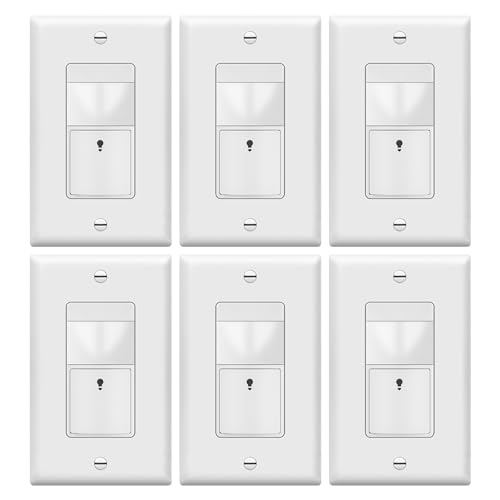
TOPGREENER PIR Motion Sensor Light Switch
TOPGREENER
Mid-Range
Leviton ODS10-IDE Occupancy Sensor Wall Switch
Leviton
Mid-Range
TOPGREENER in-wall motion sensor light switch (6-pack) TSOS5
TOPGREENER
Mid-Range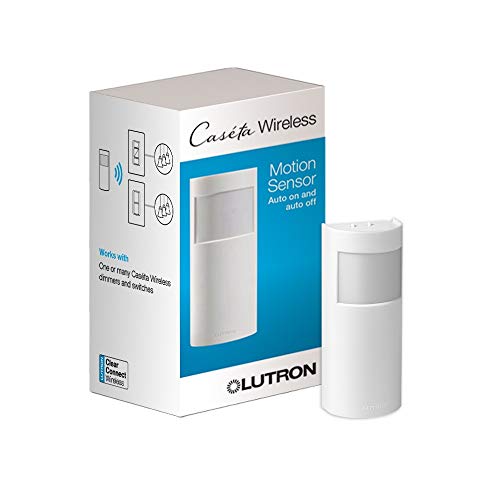
Lutron Caseta Motion Sensor for Dimmers and Switches
Lutron
Mid-Range
ELEGRP occupancy motion sensor switch 1-pole, no neutral
ELEGRP
Premium
ELEGRP matte black motion sensor light switch
ELEGRP
Mid-RangeRoundups
- Best Motion-Activated Wall Switches for Laundry Room Lighting (2026)
- Best Motion-Activated Wall Switches for Closet Lighting (2026)
- Best Motion-Activated Wall Switches for Bathroom Lighting (2026)
- Best Motion-Activated Wall Switches for Garage Lighting (2026)
- Best Motion-Activated Wall Switches Under $200 (2026)
- Best Motion-Activated Wall Switches Under $100 (2026)
- Best Motion-Activated Wall Switches Under $50 (2026)
- Best Motion-Activated Wall Switches (2026 Guide)
Frequently Asked Questions
How do I choose the right motion-activated wall switch for my space?
Select a switch based on load type (incandescent, LED, CFL, motor/ballast), coverage area and detection pattern, whether you need single-pole or 3-way wiring, and compatibility with existing dimmers or smart home systems
What electrical and wiring requirements should I check before buying?
Verify the circuit voltage (typically 120V or 277V), that a neutral or ground is available if required by the device, the switch box size, and whether your circuit is single-pole or multi-location (3-way) so the switch matches the wiring
Can motion-activated switches work with LED and low-wattage loads?
Many modern motion switches are rated for LED and low-wattage loads, but you must check the minimum and maximum load ratings and look for switching technology specifically listed as LED-compatible to avoid flicker or unreliable operation
What features affect detection accuracy and false triggers?
Detection range and field of view, sensor type (passive infrared vs. ultrasonic or dual-technology), mounting height and placement, and adjustable sensitivity/time-out settings all influence accuracy and false positives
How do I determine if a motion switch is suitable for a 3-way circuit?
Look for switches specifically labeled for 3-way or multi-location use; these require compatible companion switches or specific wiring and will note companion requirements and wiring diagrams in product documentation
Are motion-activated switches safe and compliant with codes?
Choose devices that list compliance with relevant electrical standards (for example, UL or ETL listings) and follow local electrical codes for installation; when in doubt, have a licensed electrician install or inspect the wiring
What kind of maintenance or setup is needed after installation?
After installation, adjust sensitivity, time-out, and ambient light settings as needed; periodically clean the sensor lens, check for loose wiring, and replace units if sensors degrade or stop responding appropriately