Motor Contactors
Motor contactors for industrial and HVAC control applications, including single- and three-pole contactors, relays, and coil assemblies for switching motors and heavy loads. Category averages 14 indexed products with an average rating of 4.51 and mid-range prices around $38–$87; brands include AP APPLI PARTS
Top Products

Dreyoo 24V 2-Pole Contactor, 40A FLA, 50A RES, UL508
Dreyoo
Budget
AP APPLI PARTS APAC-350240 Heavy Duty 3-Poles Contactor 50A 240V
AP APPLI PARTS
Mid-Range
APAPPLI PARTS 3-pole heavy duty contactor 60A 240V
AP APPLI PARTS
Mid-Range
AP APPLI PARTS APAC-360120 Heavy Duty Contactor 3 Poles 60A 120V
AP APPLI PARTS
Mid-Range
3 pole contactor 120V coil 30A Normally Open IEC 660V
Shopcorp
Budget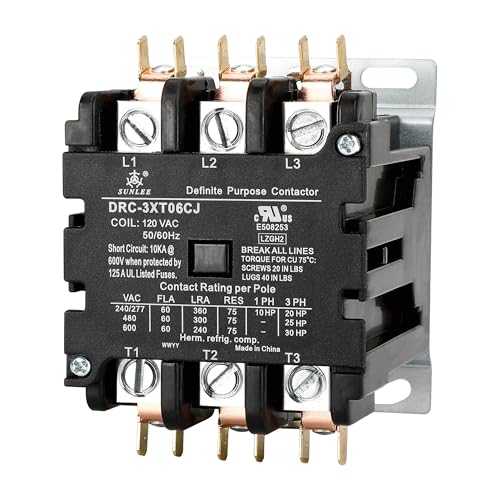
SUNLEE 60 Amp 3 Pole 120V Contactor
sunlee controls
Mid-Range
SUNLEE 60A 3-pole 240V coil DP contactor
sunlee controls
Mid-Range
12 Volt Bear DC Contactor (Trombetta) - replacement
Trombetta
Mid-Range
APAPPLI PARTS heavy duty 3-pole contactor 75A 240V
AP APPLI PARTS
Mid-Range
AP APPLI PARTS Heavy Duty 3 Pole Contactor 75A 24V Coil
AP APPLI PARTS
Mid-Range
120VAC Din Rail Mounted Motor Contactor (100-C16D10)
CAPTIVE-AIRE
Mid-Range
SUNLEE 4 Pole 40A 50A Coil Contactor fits Siemens 42CF25AG
sunlee controls
Mid-Range
SUNLEE 40A 4-pole DP Contactor 24V Coil
sunlee controls
Mid-Range
SUNLEE 4 Pole 40 Amp 50 RES 120V Coil Contactor for Siemens 42CF25AF
sunlee controls
Mid-RangeRoundups
- Best Motor Contactors for Remote Control Compressors (2026)
- Best Motor Contactors for Water Pumps (2026)
- Best Motor Contactors for Heat Pumps (2026)
- Best Motor Contactors for Hvac Systems (2026)
- Best Motor Contactors Under $200 (2026)
- Best Motor Contactors Under $100 (2026)
- Best Motor Contactors Under $50 (2026)
- Best Motor Contactors (2026 Guide)
Frequently Asked Questions
What is a motor contactor and when do I need one?
A motor contactor is an electrically controlled switch used to start and stop electric motors by switching power circuits; you need one whenever you require remote or automatic control of a motor, overload protection integration, or frequent switching beyond what a manual switch can handle
How do I choose the right contactor for my motor?
Select a contactor based on the motor's voltage and full-load current (amps), the type of load (single-phase vs three-phase), the control coil voltage, the required number of poles, and any needed auxiliary contacts or enclosures for environmental protection
What voltage and current ratings should I check?
Check the contactor's maximum switching voltage and continuous current rating to be equal to or greater than your motor's supply voltage and full-load current; also verify short-time and inrush current capability for motors with high startup currents
Are there important features or accessories to consider?
Consider coil voltage options, auxiliary contacts for signaling or interlocks, mechanically linked overload relays or separate overload protection, surge suppression (RC snubbers), and appropriate mounting or enclosures for dust, moisture, or corrosive environments
How do I maintain and extend the life of a motor contactor?
Maintain by keeping contacts and enclosure clean, ensuring proper tightening of terminals, periodically inspecting for contact wear or pitting, replacing coils or contacts showing damage, and verifying correct control voltage and load conditions
What safety considerations and standards should I follow?
Ensure wiring follows local electrical codes and lockout/tagout procedures during service, use contactors with appropriate ratings for short-circuit and overload protection, and choose products that meet relevant industry standards (e.g., IEC or UL ratings as applicable)
How much should I expect to pay for a motor contactor?
Prices vary by size and features; basic small contactors commonly fall in budget ranges under $50 while larger or feature-rich units can cost more, with average market prices often in the tens of dollars to low hundreds depending on specifications