Organic Reagents
Organic reagents for lab and industrial use, including solvents, buffers, and specialty biochemical kits used in synthesis and assays. The niche lists 11 indexed products with an average rating of 4.56 and price range roughly $40–$190, featuring brands like MOEHAIR
Top Products

Biopharm Methylene Blue 1% USP (Pharmaceutical) 250 mL twin pack
Biopharm
Mid-Range
Methylene Blue 1% in 60 mL bottle | third-party tested, alcohol-free
PureGood
Mid-Range
High Impact 99.5% Ethyl Alcohol Denatured 40-B 200 Proof Alcohol
MOEHAIR
Mid-Range
Ethanol 190 Proof (95%) Organic/Vegan Alcohol, FCC Food Grade, 1 L
Lab Alley
Mid-Range
6mg 100 Count Sanare Lab IVERMK6
IVERMK6
Mid-Range
High purity denatured ethanol 99.5% 200 proof (pack of 2) - usa
MOEHAIR
Mid-Range
FenzaPro 222 mg - 90 Caps (3rd Party Tested)
Craving Savings
Mid-Range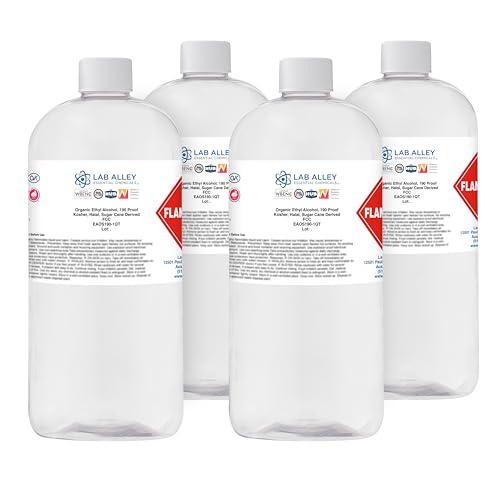
Ethanol 190 Proof Organic/Vegan Sugar Cane Alcohol (FCC Food Grade) 4QT
Lab Alley
Premium
Phenbenlife 222 120ct 99% Purity Confirmed 3rd Party Tested
4TheLife
Mid-Range
Phenbendazole powder 100g with measuring spoon, 222 mg capacity, 99% purity
BENDY CRAFT COVE LLC
Mid-Range
High Impact 99.5% Ethyl Alcohol Denatured 200 Proof (Pack of 4)
MOEHAIR
PremiumRoundups
Frequently Asked Questions
How do I choose the right organic reagent for my lab application?
Select reagents based on purity grade (analytical, ACS, HPLC), required concentration or formulation, compatibility with your reaction or analysis, and any solvent or temperature constraints; consult your protocol and safety data sheets to match specifications
What safety and storage considerations should I follow for organic reagents?
Follow the reagent's Safety Data Sheet (SDS) for PPE, ventilation, and first-aid; store according to flammability, oxidizer status, and moisture sensitivity (e.g., in flammable cabinets, desiccators, or refrigerated units) and segregate incompatible chemicals
How can I assess value and budget when shopping for organic reagents?
Compare purity and quantity rather than price alone: common budget options are available under $50 for small quantities, while specialized high-purity reagents cost more; consider pack size, frequency of use, and whether bulk purchasing or smaller vials reduces waste and cost per use
What certifications or quality indicators should I look for?
Look for stated purity levels, lot or batch numbers, certificate of analysis (CoA) availability, and compliance with relevant standards (e.g., ACS, USP, or ISO) to verify quality and traceability
Are there compatibility issues with glassware, plastics, or catalysts I should consider?
Yes—some reagents attack certain plastics or leach ions from glass; check chemical compatibility charts and use appropriate containers (glass, PTFE, HDPE) and inert atmospheres or catalyst-free conditions when required
How should I handle expired or degraded organic reagents?
Do not use reagents past recommended stability dates without verification; check CoAs or perform quality checks, and dispose of degraded or expired chemicals per institutional hazardous-waste procedures and local regulations
What documentation should I keep after purchase?
Retain the product label, lot number, CoA, SDS, and purchase records for traceability, quality control, and regulatory compliance; record storage conditions and opened date if relevant to stability