Packaging Foam
Packaging foam for tools and industrial use, including anti-static, polyethylene, and custom-cut foam inserts for protecting parts and equipment. The 14 indexed products average a 4.5 rating and mid-range pricing (about $33–$71, average $46); brands include FastCap and ValueMailers
Top Products

Kaizen foam sheet for tool organizers, 30mm, 2x4 ft
FastCap
Budget
FastCap Kaizen Foam Sheet for tool organizers
FastCap
Mid-Range
Cushion Foam Pouches 200-pack for moving and storage
Parts3A
Budget
Thickened foam corner protectors (48 pcs) for frames, TV boxes
FBFTNY
Budget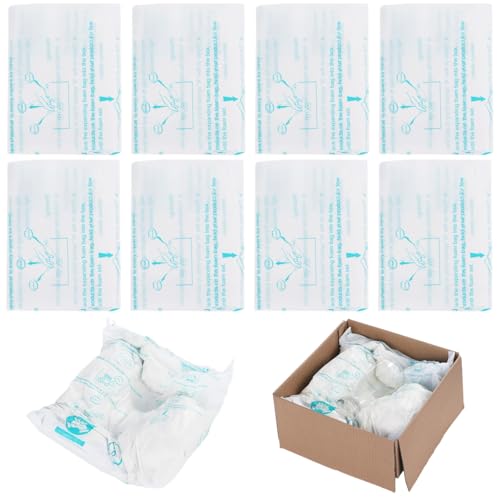
Foam Bags For Shipping (8 pcs) 1823 inch – Temperature-Activated Expanding Pouches
Tideme
Budget
Drink 12J12 Foam Cups, 12oz, 25/Bag, 40 Bags/Carton
DART
Mid-Range
260pcs Cushioning Foam Pouches, 4 sizes for moving
Ickimee
Budget
Cushioning Foam Pouches in 4 sizes with fragile labels
Ickimee
Mid-Range
Moving foam pouches & sheets set, 4 sizes with fragile stickers
BIOBUBANA
Budget
Foam Bags For Shipping 20 Pcs Expanding Pouches 14x16
Tideme
Mid-Range
Expanding foam cushioning bags (20-pack) for fragile items
ASMALAM
Mid-Range
1/8" Thick PE Foam Wrap Roll, 12" x 350' (ValueMailers)
ValueMailers
Mid-Range
Yes4All Yoga Headstand Bench with PU Pads
Yes4All
Mid-Range
1/8" Thick PE Foam Wrap Roll, 24" x 175' (ValueMailers)
ValueMailers
Mid-RangeRoundups
Frequently Asked Questions
How do I choose the right type of packaging foam for my product?
Select foam based on the item's fragility, weight, and shape: closed-cell polyethylene for impact resistance and moisture protection; open-cell polyurethane for cushioning and vibration damping; and polyethylene or EVA foams for custom-cut inserts. Consider foam thickness, density, and whether you need adhesive backing, anti-static properties, or flame retardance
What foam density and thickness should I use for shipping fragile tools and equipment?
For fragile tools, use medium to high density foam (about 2–6 lb/ft³ or higher) and choose thickness that allows 1–2 inches of protective material around edges; heavier or precision instruments often need higher density and thicker layers or multi-layer constructions for added support
Can packaging foam be custom cut or shaped to fit my products, and what methods are used?
Yes—common methods include die-cutting for large runs, CNC routing or hot-wire cutting for precise custom shapes, and utility-knife or laser cutting for prototypes and small batches; choose the method based on volume, precision, and cost
Are there anti-static or moisture-resistant foam options for electronic components?
Yes; anti-static (ESD) foams are formulated to dissipate static charge and protect electronics, while closed-cell polyethylene and cross-linked foams offer moisture resistance; verify conductivity specifications and compatibility with sensitive components before purchase
How should I store and care for packaging foam to maintain its protective properties?
Store foam flat in a cool, dry place away from direct sunlight and ozone sources, keep it in original packaging or sealed containers to avoid dust and compression, and avoid exposure to solvents or high heat that can degrade foam structure
How much should I expect to pay for packaging foam for small-to-medium projects?
Prices vary by material, density, and customization: basic sheets and rolls for small projects commonly fall in a budget range under $50, while custom-cut inserts or high-density/ESD foams increase costs; compare per-unit costs and fabrication fees for accurate budgeting