Pipe Cutters
Pipe Cutters in Tools & Industrial include handheld tubing cutters, ratcheting and pipe chain cutters, and power-driven models for copper, PVC, and steel. The 14 indexed products average 4.57 stars, span about $33–$449 (avg ~(price varies)), and include brands like DEWALT and RIDGID. Options cover budget through premium use cases
Top Products

DIYSELF 30 Pack Retractable Utility Knife, Aluminum Body
DIYSELF
Mid-Range
DIYSELF 30 Pack Retractable Utility Knife (Aluminum) with SK5 Blade
DIYSELF
Mid-Range
DIYSELF 30 Pack Retractable Utility Knives
DIYSELF
Mid-Range
DIYSELF 30 Pack Retractable Utility Knives, Aluminum Shell
DIYSELF
Mid-Range
DEWALT Pipe Cutter with Diamond Grit Wheel
DEWALT
Budget
Libraton Copper Tube Cutter 1/4" to 2-3/4" (70mm) with Deburring Tool
LIBRATON
Mid-Range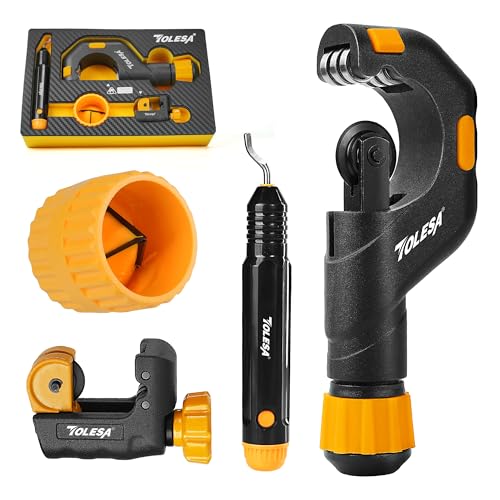
TOLESA Pipe Cutter Tool 1/8''-2''
TOLESA
Mid-Range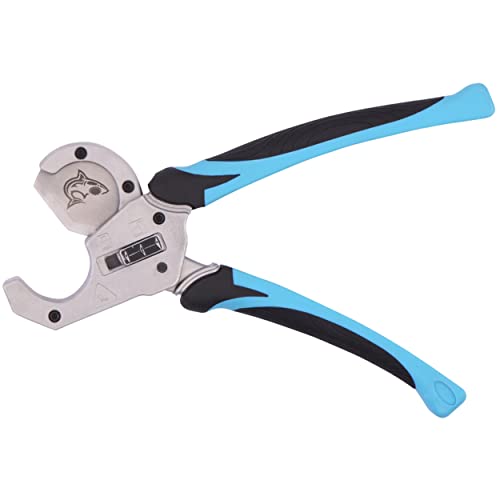
SharkBite Pro-Grade PEX Cutter, 1/4–1 in CTS
Cash Acme
Mid-Range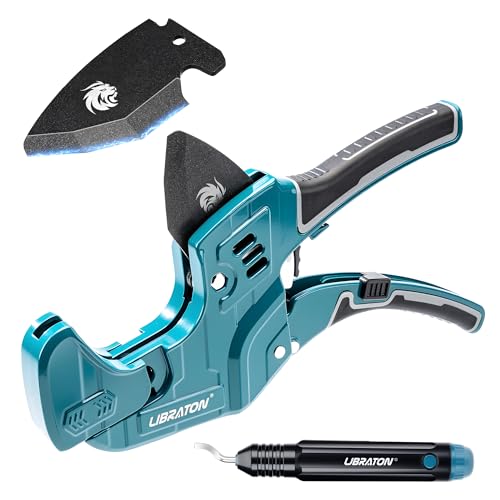
Libraton PVC Pipe Cutter with 2 adjustable ranges
LIBRATON
Budget
RIDGID RC-1625 Aluminum Pipe Cutter 1/8" to 1-5/8"
RIDGID
Premium
DEWALT PVC/PEX Cutter with Brace Bracket DWAPVCIR
DEWALT
Mid-Range
RIDGID aluminum ratchet/pipe cutter & copper tubing reamer combo
RIDGID
Premium
Professional Pipe Cutter Tool for 1-3" Pipes
GQGP
Budget
DEWALT 20V MAX XR PEX Expander Tool 3/8"–1-1/2" (Bare Tool)
DEWALT
PremiumRoundups
Frequently Asked Questions
How do I choose the right type of pipe cutter for my project?
Select by pipe material and diameter: wheel-style cutters work well for copper and thin-walled tubing, ratcheting or reinforced cutters handle larger diameters and thicker metal, and plastic/PVC cutters or PVC saws are best for plastics. Also consider cutting capacity, whether a compact or bench tool fits your workspace, and if you need features like replaceable blades or deburring
What size range should I look for in a pipe cutter?
Match the cutter's stated capacity to your common pipe sizes—options typically cover small tubing (1/8–1 1/4 in.), standard plumbing sizes (up to 2–3 in.), and larger industrial cutters for bigger diameters; some tools have adjustable jaws or multiple size settings to cover several ranges
Are cordless or powered pipe cutters worth it compared with manual models?
Powered or cordless cutters speed repetitive or heavy-duty work and reduce fatigue, while manual ratcheting or wheel cutters are lower cost, require no power source, and are adequate for occasional or light-duty jobs. Choose based on project volume, portability needs, and budget
What features should I prioritize for durability and long-term use?
Look for hardened or replaceable cutting wheels/blades, corrosion-resistant or forged steel frames, solid ratcheting mechanisms, and easy-to-source replacement parts. A reputable warranty and serviceability for blades or rollers also extend tool life
How do I maintain a pipe cutter to keep cuts clean and accurate?
Keep the cutting wheel/sharp edge clean and free of nicks, lubricate moving parts per manufacturer guidance, replace worn blades promptly, and store the tool dry to prevent rust. For metal tubing, rotate smoothly without excessive force and deburr edges after cutting
Can one pipe cutter handle multiple materials like copper, steel, and PVC?
Some cutters are designed for multiple materials—typically wheel-style cutters for softer metals and plastic, while heavy-gauge steel often requires a cutter with a reinforced wheel or a dedicated steel pipe cutter; always check material compatibility and use the correct blade type
What price range should I expect for reliable pipe cutters?
Entry-level manual cutters often fall under $50, mid-range ratcheting or multi-capacity cutters are commonly between $50 and $150, and heavy-duty or powered models can exceed that; the category average is around $80, but choose based on required capacity and frequency of use