Pipe Heat Cables
Pipe heat cables for freeze protection and pipe tracing in residential and light commercial plumbing, offered as self-regulating and constant-wattage heating tapes, mats, and thermostat controllers. The category includes 86 indexed products, average rating 4.5, price range about $32–$561, with brands such as Zhukeshi represented among mid-range to premium options
Top Products

Frost King 6 ft Automatic Electric Heat Kit with 120V
Frost King
Mid-Range
Thermwell Pipe Heat Cable 18 ft (Frost King HC18)
Frost King
Budget
Frost King Heat Kit Heating Cables, 30 ft, Black
Frost King
Mid-Range
Automatic Electric Heat Kit Heating Cables, 24 ft
Frost King
Mid-Range
Intelligent heat tape for pipe freeze protection
Radiant Solutions Company
Mid-Range
Pipe freeze protection heat tape with thermostat
Zhukeshi
Budget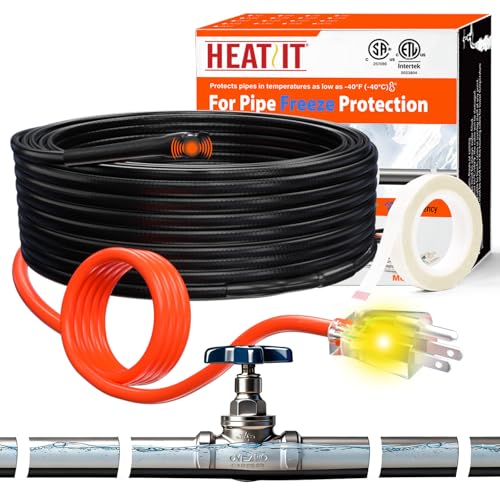
HEATIT Heat Tape for Water Pipes Heating Cable with Thermostat
HEATIT
Budget
HEATIT Heat Tape: Water Pipe Heating Cable with Thermostat
HEATIT
Budget
Frost King Automatic Electric Heat Cable, 9 ft
Frost King
Budget
Self-Regulating Pipe Heating Cable with Thermostat
Zhukeshi
Budget
HEATIT 15ft Self-Regulating Pipe Heating Cable
Zhukeshi
Mid-Range
Radiant Solutions Heat Tape with GlowCap and thermostat
Radiant Solutions Company
Mid-Range
MAXKOSKO 12 ft Heating Cable for Pipe Freeze Protection
MAXKOSKO
Budget
HEATIT Heat Cable for Pipes 60ft 7W/ft 120V
Zhukeshi
Mid-Range
MAXKOSKO 30 ft self-regulating pipe heating cable for freeze protection
MAXKOSKO
Budget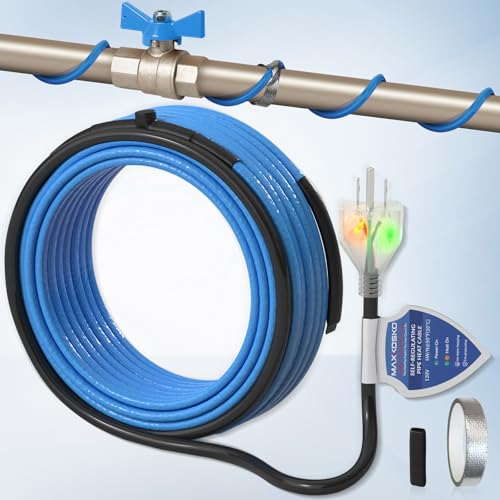
MAXKOSKO 30ft Dual Lights Pipe Heating Tape
MAXKOSKO
Mid-Range
HEATIT 18ft Automatic Heat Trace Cable for Pipes
Zhukeshi
Budget
Intelligent heat tape with thermostat for pipe freeze protection
Radiant Solutions Company
Mid-Range
Heatit Pipe Heat Cable for Water Pipes, 120V, 35ft
Zhukeshi
Budget
Heat Tape for Water Pipes 40ft, 7W/ft, 120V
Zhukeshi
Budget
HEATIT Pipe Wrap Heat Tape 120V, 7w/ft, 80ft
Zhukeshi
Mid-Range
MAXKOSKO 40 ft Self-Regulating Heating Cable for Pipe Freeze Protection
MAXKOSKO
Mid-Range
HEATIT Pipe Heat Cable for Water Pipe Freeze Protection
Zhukeshi
Budget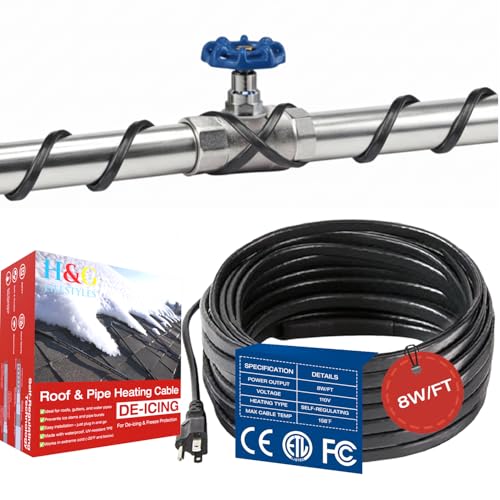
H&G Lifestyles 8W/ft Heat Cable for Water Pipes
H&G lifestyles
BudgetRoundups
Frequently Asked Questions
What is a pipe heat cable and when should I use one?
A pipe heat cable is an electrical heating element installed along pipes to prevent freezing and maintain fluid flow; use it for outdoor, uninsulated, or intermittently heated pipes in cold environments or for freeze protection during winter
How do I choose the right type and length of heat cable for my pipes?
Match cable type (self-regulating for variable heat output or constant-wattage for consistent output) to your application, measure pipe length and diameter to determine required cable length and wattage, and check manufacturer recommendations for spacing and watt density per foot
What electrical requirements and safety features should I look for?
Look for cables rated for the supply voltage you have, proper ground-fault protection (GFCI) or compatibility with GFCI circuits, water-resistant or wet-location ratings for outdoor use, and UL/ETL or equivalent safety listings for heating cables
Can I install pipe heat cable myself, and what installation steps are essential?
Many heat cables are designed for DIY installation, but essential steps include cleaning the pipe, following manufacturer layout and attachment instructions, using recommended thermal insulation over the cable, avoiding overlapping the cable, and verifying power connections meet local electrical codes; consult an electrician if unsure
How much does pipe heat cable typically cost and how should I budget?
Prices vary by type and length, with budget options under $50 for short or basic units and more advanced or longer self-regulating cables commonly averaging around $100 depending on size and features; include costs for insulation and any professional installation in your budget
How do I maintain and troubleshoot a pipe heat cable?
Regularly inspect for physical damage, ensure insulation remains intact, test continuity and GFCI protection before winter, replace any damaged sections (per manufacturer guidance), and if cable fails to warm pipes despite power, check electrical connections and consult the manufacturer's troubleshooting guide or a professional
Are there compatibility concerns with pipe material or insulation?
Most heat cables are compatible with metal, PVC, and CPVC pipes, but verify manufacturer guidance for temperature limits and attachment methods; use insulation rated for the temperatures expected and ensure proper thickness to retain heat without causing overheating of the cable