Pliers
This category covers hand pliers for gripping, cutting, crimping, and bending in trades and DIY work, including combination, needle-nose, and locking pliers. Eighteen products are indexed with an average rating of 4.81 and an average price around $142, featuring brands such as KNIPEX and Klein Tools
Top Products

KNIPEX TwinGrip Pliers
KNIPEX
Budget
KNIPEX Cobra Pliers Set & High Leverage Diagonal Cutters
KNIPEX
Mid-Range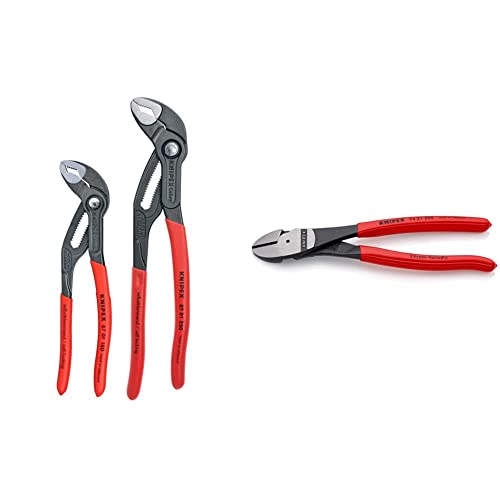
KNIPEX Cobra Pliers Set + 8-in Diagonal Cutters
KNIPEX
Mid-Range
Dipped Plier Kit & Hex Wrench Set, 5-Piece
Klein Tools
Premium
KNIPEX Cobra Pliers Set + Water Pump Pliers (7, 10, 12 in) 5 in
KNIPEX
Premium
Knipex 09 02 240 Ultra-High Leverage Lineman's Pliers and Cobra Water Pump Pliers
KNIPEX
Mid-Range
Lineman's and long-nose pliers with cutter bundle
KNIPEX
Mid-Range
KNIPEX 00 20 07 US1 Tools - 3 Piece Alligator Pliers Set (7, 10, 12) & TwinGrip
KNIPEX
Premium
Orion Motor Tech 9-piece hose clamp pliers set
Orion Motor Tech
Budget
KNIPEX 2-Piece Mini Pliers Wrench Set & Cobra Water Pump Pliers
KNIPEX
Premium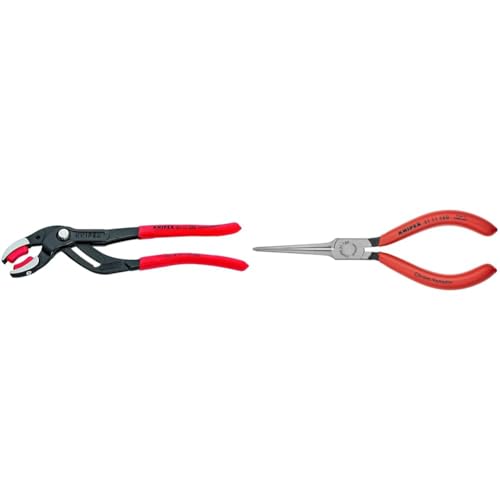
KNIPEX Pliers: Replaceable Jaws Pipe Gripping & Needle Nose (81 11 250 & 31 11 160)
KNIPEX
Mid-Range
KNIPEX Cobra Pliers Set with Wire Stripper (87 01 250) and 13 72 8
KNIPEX
Premium
Knipex Cobra Pliers Set - Mini Pliers Wrench Set (4 Pc)
KNIPEX
Premium
KNIPEX 5 Pc Pliers Set with Long Nose Pliers
KNIPEX
Premium
KNIPEX Alligator Pliers & Cobra Cutter 4-Piece Set
KNIPEX
Premium
KNIPEX Pliers Wrench and Cobra Pliers 4-Piece Set
KNIPEX
Premium
KNIPEX precision circlip pliers + alligator pliers set
KNIPEX
Premium
KNIPEX 3-Piece Pliers Wrench & 10-In Water Pump Pliers Set
KNIPEX
PremiumRoundups
Frequently Asked Questions
How do I choose the right type of pliers for a job?
Match the plier type to the task: slip-joint or groove-joint for general gripping, needle-nose for reaching into tight spaces and bending wire, linesman for electrical work and cutting, and locking pliers for clamping. Consider jaw shape, cutting capability, and whether you need insulated handles for electrical safety
What size and jaw material should I look for?
Choose a size that lets you apply force comfortably—6–10 inches covers most hand tasks. Look for jaws made from hardened alloy steel or chromium-vanadium for durability and wear resistance, with serrated faces for gripping and properly hardened cutting edges for wire cutting
Do I need insulated or non-conductive pliers for electrical work?
Use pliers rated and certified for electrical work (e.g., VDE or equivalent insulation standards) when working on live or potentially live circuits; non-insulated pliers are acceptable only for non-electrical tasks or de-energized systems
How important is handle comfort and grip?
Handle ergonomics reduce hand fatigue and improve control; look for cushioned, non-slip grips and shapes that fit your hand. For heavy or repetitive use, ergonomic or compound-leverage designs can reduce required force
What maintenance keeps pliers working well for years?
Keep joints clean and lightly lubricated, wipe off debris after use, store in a dry place to prevent rust, and periodically check cutting edges for nicks; replace or re-sharpen cutters if performance degrades
Are higher-priced pliers worth it for occasional users?
Higher-priced pliers often use tougher steel, better heat treatment, and tighter tolerances, which improves longevity and cutting performance; for infrequent use a midrange tool may be cost-effective while professionals typically benefit from premium tools
How do I know if a plier's cutting edge can handle hardened wire?
Manufacturer specifications should state the maximum wire hardness or cutting capacity; hardened-steel-cutting pliers or those marked for cutting piano wire or hardened wire are suitable, while general-purpose cutters may chip or dull on hardened wire