Plywood
Sheets and panels of plywood for construction, cabinetry, and DIY projects, including birch, hardwood, and specialty laminates and tools for cutting/finishing. 38 products indexed with an average rating of 4.37; ranges span budget to mid/upper tiers and include brands like Woodpeckers
Top Products

Baltic Birch Plywood 18x24x1/2 in – 2 Sheets, B/BB Grade
Woodpeckers
Mid-Range
Baltic Birch Plywood 6 mm 1/4 x 12 x 24 in – 6 Sheets
Woodpeckers
Mid-Range
6 mm Baltic Birch Plywood sheets, 1/4 x 18 x 24 in, box of 4, craft wood
Woodpeckers
Mid-Range
6 mm Baltic Birch Plywood 1/4 x 12 x 20 in (box of 6) by Woodpeckers
Woodpeckers
Mid-Range
3 mm Baltic Birch plywood 1/8 x 12 x 20 in, box of 20
Woodpeckers
Mid-Range
3 mm Baltic Birch Plywood 1/8 x 12 x 20 in – Box of 12
Woodpeckers
Mid-Range
6 mm Baltic Birch Plywood 8x8 in, Box of 50, B/BB Grade Woodpeckers
Woodpeckers
Mid-Range
Baltic Birch plywood 6 mm, box of 12, 1/4 x 12 x 20 in, B/BB
Woodpeckers
Mid-Range
Baltic Birch Plywood 3 mm sheets 8x8 in, Pack of 100, B/BB grade
Woodpeckers
Mid-Range
Baltic Birch plywood 3mm 1/8x12x24 inch box of 20
Woodpeckers
Mid-Range
Baltic Birch Plywood 3 mm 1/8 x 18 x 24 in – 8 sheets
Woodpeckers
Mid-Range
ProFlex Maple Plywood 6pcs 1/8" x 12 x 24 real wood sheets
PRO FLEX
Mid-Range
Baltic Birch Plywood 12x24x1/2 in (12 mm) - Pack of 2
Woodpeckers
Budget
Frylr Baltic Birch Plywood Sheets, 12x12x1/8, Box of 45
Frylr
Mid-Range
Baltic Birch Plywood 6 mm 1/4 x 18 x 24 for Laser/CNC (Box of 12)
Woodpeckers
Premium
Baltic Birch Plywood 3 mm 1/8 x 12 x 12 in, Box of 45, Woodpeckers
Woodpeckers
Mid-Range
Baltic Birch Plywood 12 x 20 x 1/2 in, 12 mm, Pack of 2
Woodpeckers
Budget
Baltic Birch Plywood 24x24x1/2 in Craft Wood (2 pcs) B/BB
Woodpeckers
Mid-Range
Baltic Birch Plywood Sheets, 3 mm, 10 x 10 in, B/BB, 100 pcs
Woodpeckers
Mid-Range
Baltic Birch Plywood 6 mm 1/4 x 12 x 20 in (25 pc) – Woodpeckers
Woodpeckers
Premium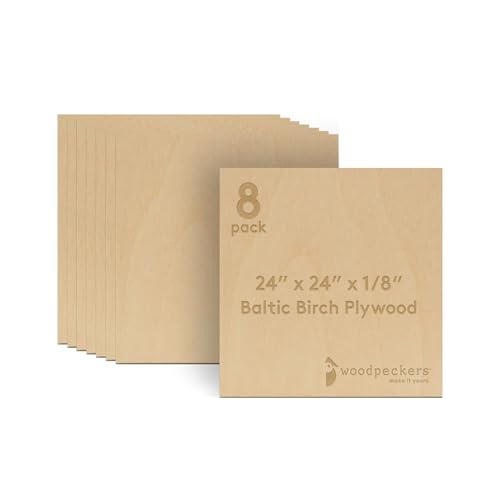
Baltic Birch plywood 3 mm, 1/8 x 24 x 24 in, box of 8
Woodpeckers
Premium
6 mm Baltic Birch Plywood 1/4 x 12 x 24 Sheet Box of 25
Woodpeckers
Premium
Baltic Birch Plywood 18x24x1/2 in (12 mm) Pack of 4
Woodpeckers
Mid-Range
3 mm Baltic Birch Plywood 1/8 x 12 x 18 in – Box of 12
Woodpeckers
BudgetRoundups
- Best Plywood for Laser Cutting (2026)
- Best Plywood for Wood Burning (2026)
- Best Plywood for Scroll Saw Projects (2026)
- Best Plywood for Cnc Routing (2026)
- Best Plywood for Laser Cutting Projects (2026)
- Best Plywood Under $200 (2026)
- Best Plywood Under $100 (2026)
- Best Plywood Under $50 (2026)
- Best Plywood (2026 Guide)
Frequently Asked Questions
How do I choose the right plywood grade for my project?
Select plywood by grade and intended use: A/B or A-grade faces for visible, smooth surfaces; B/C or C/D for painted or concealed work; structural grades (CDX, PS1) for load-bearing or exterior applications. Also match veneer quality, glue type (exterior vs interior), and thickness to the project’s appearance and strength requirements
What thickness and sheet size should I buy for furniture, shelving, and construction?
Common thicknesses are 1/8", 1/4", 1/2", 3/4" and 1"; 3/4" is common for cabinets and shelving, 1/2" for drawer backs and panels, and 1/4" for underlayment or backing. Standard sheet size is 4x8 feet, but plywood is available in other sizes—choose thickness and sheet size based on span, load, and how you’ll cut and join pieces
What types of plywood are best for outdoor or moisture-exposed projects?
For outdoor or high‑moisture use, choose exterior-grade plywood made with waterproof phenolic or melamine glue and rot-resistant species like marine-grade or pressure-treated plywood. Ensure edges are sealed and follow manufacturer guidelines for exposure and finish to prevent delamination and fungal decay
How does veneer core, hardwood plywood, and Baltic birch differ?
Veneer core plywood has alternating thin veneers glued in layers and is common for general use; hardwood-faced plywood uses a hardwood veneer on face layers for appearance; Baltic birch is a high-density, multi‑ply hardwood plywood with uniform layers, strong screw holding and minimal voids, favored for cabinetry and fixtures requiring precision
What are practical tips for cutting, fastening, and finishing plywood?
Use a fine-tooth or plywood-specific blade and score the cut line to reduce splintering, support the sheet to prevent tear-out, and predrill screw holes or use pocket screws for assembly. Sand face veneers lightly before finishing, seal edges, and use appropriate wood filler for voids; choose finishes compatible with the plywood’s face veneer
How should I store plywood to keep it flat and damage-free?
Store plywood flat and fully supported on a level surface, off the ground on evenly spaced stickers or a pallet, and keep it dry and away from direct sunlight or heat sources to prevent warping and moisture-related distortion. If stored upright, keep it tightly braced and vertical in a dry, climate-controlled space
What price range can I expect and how does price relate to quality?
Plywood prices vary by species, grade, thickness, and adhesive—budget options can be under $50 per sheet for thin or lower-grade panels, while specialty or high-grade sheets cost more; average prices for general-purpose sheets often fall in mid-level ranges. Higher-priced sheets typically offer better face veneers, fewer voids, stronger cores, or exterior‑rated glues