Power Bench Grinders
Power bench grinders for workshop and industrial use, including two-wheel and bench-mounted sharpening/grinding machines for metalworking and tool maintenance. The category spans budget through mid-range units (average price (price varies)) and features brands such as DEWALT among others. Average rating across 14 products is 4.56
Top Products
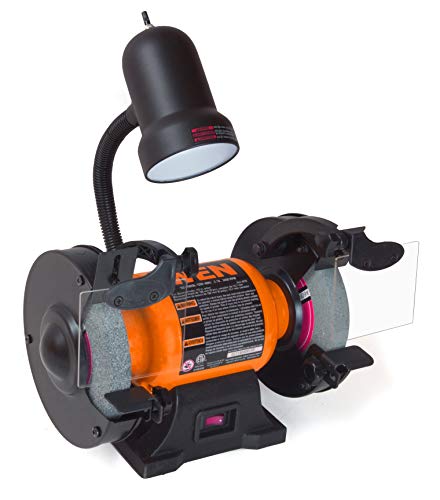
WEN 6-in bench grinder with flexible work light
WEN
Mid-Range
Bucktool 6-Inch Low-Speed Bench Grinder 1/3HP TLG-150S
Bucktool
Premium
DEWALT 8-Inch Bench Grinder
DEWALT
Premium
Bucktool 1.0 HP 8 inch high speed bench grinder
Bucktool
Premium
DEWALT 8-Inch Bench Grinder with Wire Wheel
DEWALT
Premium
Oregon 120-Volt Bench Grinder Universal Saw Chain Sharpener
Oregon
Premium
DEWALT bench grinder (DW758) and wire wheel (DW4907) bundle
DEWALT
Premium
4.8A 3/4HP 8-Inch Bench Grinder with Protective Eye Masks & Grinding Wheels
Woodskil
Premium
BUCKTOOL 8 Inch Low-Speed Bench Grinder 3/4 HP
Bucktool
Premium
VEVOR bench buffer polisher with adjustable speed
VEVOR
Mid-Range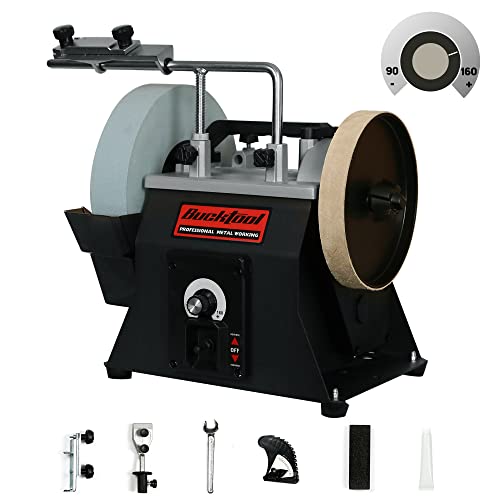
Bucktool 10-Inch Variable Speed Wet Sharpening System
Bucktool
Premium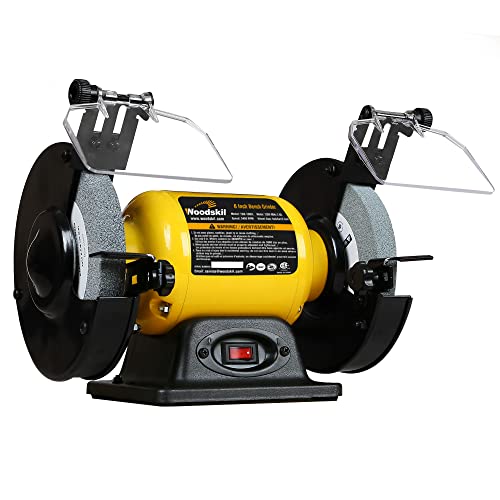
2.8A 1/2HP 6-in High-Speed Bench Grinder
Woodskil
Mid-Range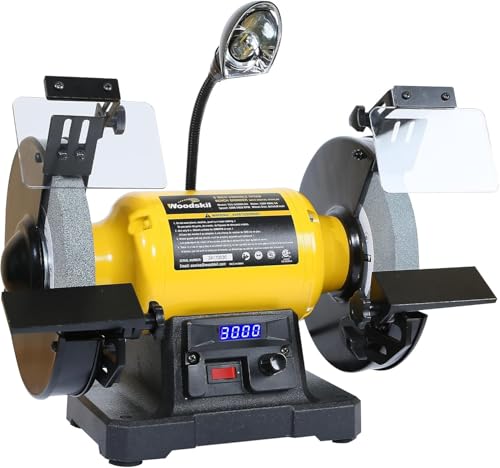
Digital Display 8 Inch Variable Speed Bench Grinder
Woodskil
Premium
Bucktool 2HP 10 In Low Speed Bench Grinder
Bucktool
PremiumRoundups
Frequently Asked Questions
How do I choose the right bench grinder for my workshop?
Select a grinder based on wheel size (commonly 6–8 inches), motor power (measured in HP or amps; higher for heavy-duty metalwork), RPM (typical 3,000–3,600 rpm for general grinding), and build quality (cast iron base and adjustable tool rests). Consider the materials you’ll work on and choose features like spark shields, variable speed, and included wheel types accordingly
What power and wheel size should I get for different tasks?
For light sharpening and hobby use, a 6-inch wheel with a 1/3–1/2 HP motor is usually sufficient; for frequent metal removal, deburring, or toolmaking, choose 8-inch wheels and a 1 HP or greater motor. Larger wheels and higher power deliver more material removal and longer run times under load
What abrasive wheels and grits are best for common jobs?
Use coarse grits (36–60) and aluminum-oxide or silicon-carbide wheels for rapid stock removal and shaping; use finer grits (80–120) or dedicated sharpening stones for honing cutting tools. Consider a wire wheel or polishing wheel for cleaning and finishing rather than the grinding wheel
How important are safety features and what should I look for?
Look for spark guards, eye shields, adjustable tool rests, wheel guards that meet safety standards, and a stable, low-vibration base. Also verify proper wheel balancing and use personal protective equipment like eye and hearing protection when operating the grinder
What maintenance is required to keep a bench grinder performing well?
Regularly dress the wheels to restore flatness and remove glazing, inspect and replace cracked or worn wheels, keep tool rests and guards adjusted, lubricate bearings if specified by the manufacturer, and tighten mounting fasteners to control vibration
How much should I expect to pay for a reliable bench grinder?
Bench grinders commonly range from budget models under $100 to more robust 8-inch or industrial units several hundred dollars; many durable consumer-to-pro tools fall near the low-to-mid hundreds. Choose based on motor power, wheel size, and build quality for intended use
Are there advantages to variable-speed bench grinders?
Variable-speed grinders let you match wheel speed to material and wheel type—slower speeds reduce heat when sharpening and polishing, while higher speeds increase material removal. This flexibility improves control and can extend wheel and tool life for diverse tasks