Power Detail Sanders
Power detail sanders are handheld finishing tools for detail sanding, edge work, and small surface prep, offering variable speeds and compact pads. This niche lists 16 products averaging a 4.31 rating and mid-range prices (about $33–$64, avg $49), with brands like CRAFTSMAN represented
Top Products
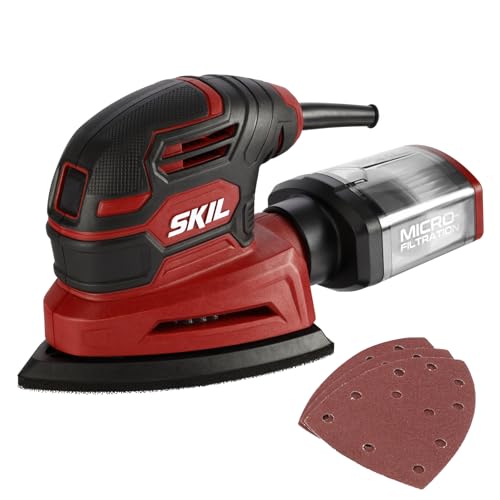
Corded detail sander with dust box & 3 sanding sheets
Skil
Budget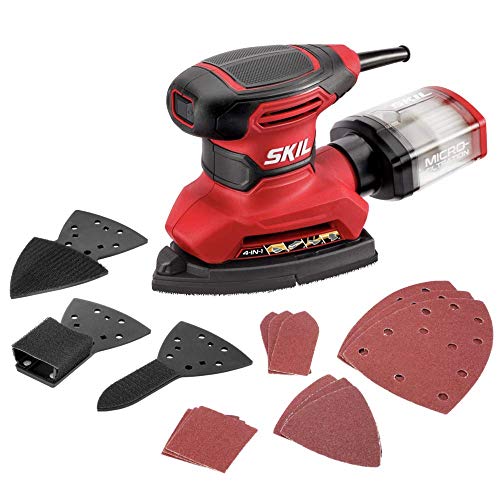
Skil Corded Detail Sander with Dust Box & 12pc Sheets
Skil
Mid-Range
Detail sander, 1.2 amp, compact design, 16000 OPM
BLACK+DECKER
Mid-Range
DOVAMAN 130W Detail Sander with Dust Collection (12000 RPM)
DOVAMAN
Budget
DLS03A Detail Sander, 130W Palm Sander with Dust Collection
DOVAMAN
Budget
16.8V Cordless Sander with 36-Piece Sandpaper Set
Vkndoynt
Mid-Range
16.8V cordless sander with 36 sandpapers, 3500 rpm
Vkndoynt
Mid-Range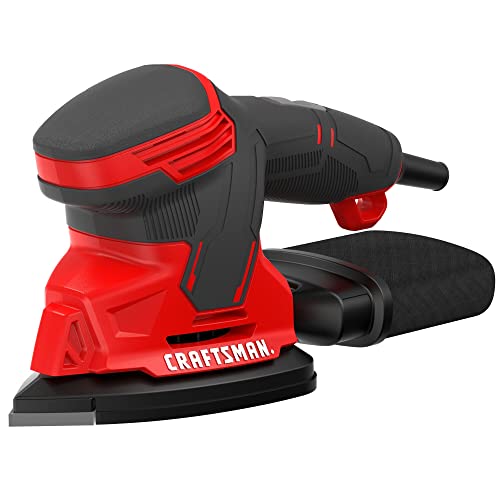
Craftsman Detail Sander, corded mouse sander for woodworks
CRAFTSMAN
Mid-Range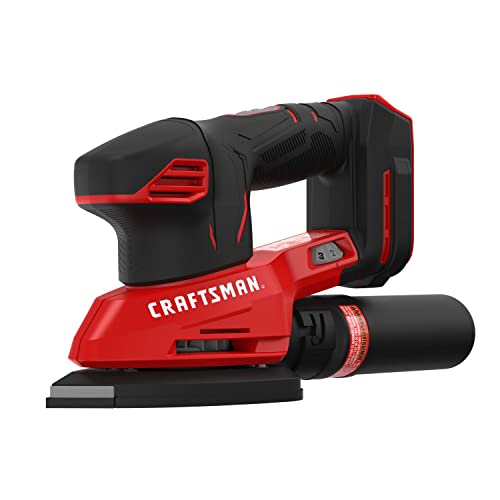
CRAFTSMAN 20V MAX Cordless Detail Sander (CMCW221B), RED
CRAFTSMAN
Mid-Range
Cordless sander with 36-pc sandpapers, 2 batteries, 3500 rpm
Vkndoynt
Mid-Range
Electric precision pen sander for fine detailing
DSPIAE
Mid-Range
Cordless Pen Sander with USB charging and LED light
Bucasso
Mid-Range
Cordless detail sander with brushless motor, 12,000 OPM, 18V compatibility
Mayoki
Mid-Range
Cordless detail sander with DeWalt 20V battery compatibility
Mayoki
Mid-Range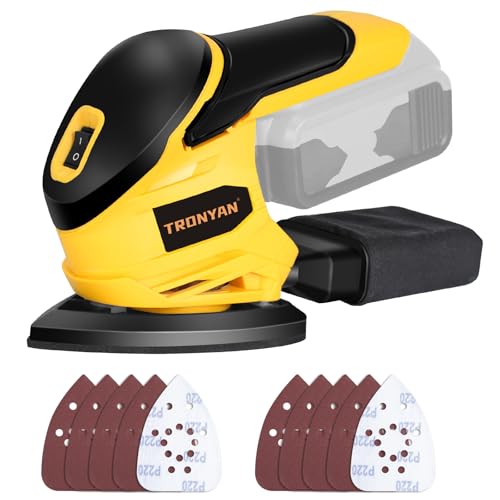
Cordless detail sander for tight spaces, 12,000 OPM (tool only)
TRONYAN
Mid-Range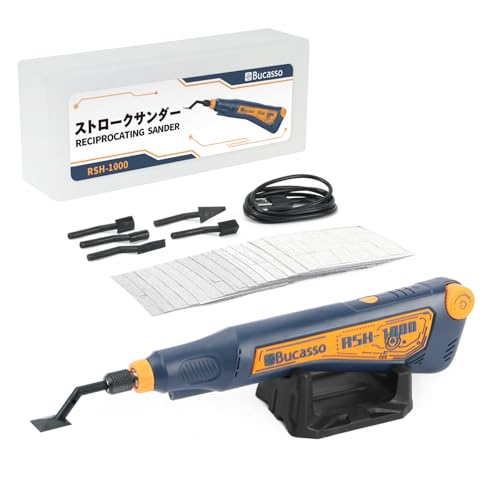
Reciprocating Sander with USB charging and 6 sanding heads
Bucasso
Mid-RangeRoundups
Frequently Asked Questions
How do I choose the right power detail sander for my project?
Select by sanding pad type (orbital for fine finishing, detail/triangle for corners), motor power and variable speed for material control, dust collection compatibility, and ergonomics for prolonged use; match pad size and grit compatibility to your typical tasks
What power and speed features matter most for sanding performance?
Higher motor wattage or amperage delivers more consistent cutting on hardwoods, while variable speed control lets you slow for delicate surfaces and increase for aggressive stock removal; look for specified orbital strokes-per-minute or RPM ranges to compare models
How important is dust collection and what should I look for?
Effective dust collection reduces cleanup and improves air quality; prefer models with built-in housings, onboard dust bags or port adapters that fit standard vacuums, and sealed dust channels for longer pad and motor life
Are there differences in sanding pad shapes and abrasives I should know?
Yes — triangular/detail pads access corners and edges, square pads are for larger flat areas, and round/orbital pads are for smooth finishing; ensure the sander supports common hook-and-loop or adhesive-sized sandpaper and check availability of replacement pads and grits
What maintenance keeps a power detail sander working well?
Regularly clean dust ports and pads, replace worn sanding sheets and pads, check and tighten fasteners, inspect power cords, and follow manufacturer guidelines for motor brush replacement or lubrication when applicable
Can I use a power detail sander on multiple materials like wood, paint, and metal?
Yes, with appropriate abrasive grit and sanding technique: use coarser grits for paint or heavy stock removal, finer grits for finishing wood, and non-aggressive abrasives or specialized discs for metal; always test on a scrap piece and wear proper PPE
How much should I expect to spend for a reliable power detail sander?
Prices vary by brand, features, and build quality; shoppers can find budget models under $50, mid-range tools in the $50–$100 area, and higher-end or specialty units above that range depending on power, dust-control, and ergonomic features