Power Disc Sanders
Power disc sanders: handheld and benchtop rotary sanding tools for removing material, smoothing surfaces, and finishing wood, metal, and composites. This category averages a 4.31 rating across 16 products, with price tiers from about $50 to $569 and brands like DEWALT and WEN represented
Top Products

Wagner PaintEater 3-Pack 4-1/2" Replacement Discs
Wagner
Mid-Range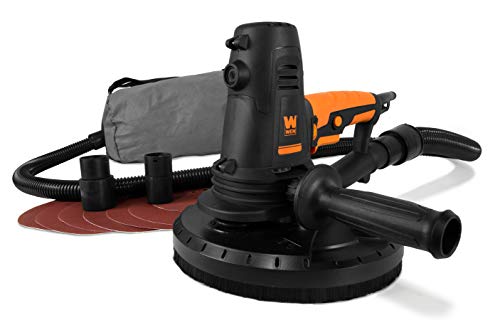
DW1085 10-Amp drywall sander with dust collection
WEN
Mid-Range
DEWALT 5-in Rotary Sander with Variable Speed and Dust Shroud
DEWALT
Premium
WEN drywall sander with variable speed and dust hose
WEN
Premium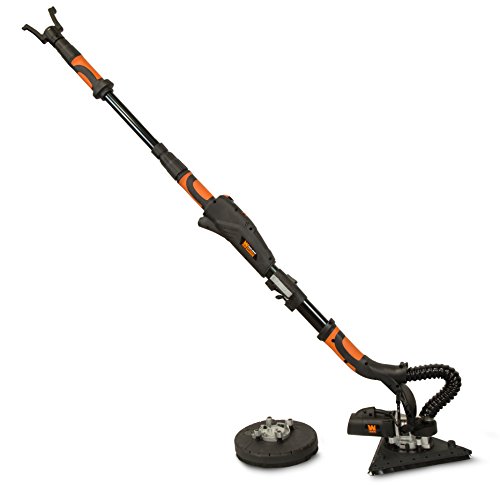
WEN 6377 Variable Speed Drywall Sander with Vacuum hose
WEN
Premium
WEN DW5084 5-Amp 2-in-1 Drywall Sander (Triangular & Circular Heads)
WEN
Premium
WEN variable speed drywall sander with dust hose
WEN
Premium
Electric drywall sander with vacuum dust collection
MYTOL
Premium
Drywall Sander with vacuum and LED light, 1000W, 6 speeds
Protmex
Premium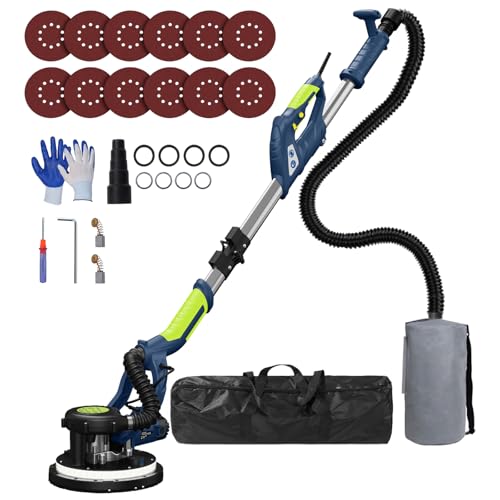
Drywall Sander with 7-speed vacuum dust removal
IMQUALI
Premium
Drywall Sander with Vacuum Dust Collection, 6-Stage Speed 900-1800 RPM
MYTOL
Premium
Drywall sander with vacuum dust collection, 2100rpm, 7 speeds
Alloyman
Premium
Drywall sander with vacuum, IMQUALI 9.5A adjustable speed
IMQUALI
Premium
AMYBEST Drywall Sander with Vacuum Dust Collection
AMYBEST
Mid-Range
DEWALT 20V MAX Cordless Drywall Sander (Tool Only)
DEWALT
Premium
Drywall Sander 1050W with Vacuum Dust Collection
ALLOY POWER
PremiumRoundups
- Best Power Disc Sanders for Ceiling Sanding (2026)
- Best Power Disc Sanders for Overhead Sanding Tasks (2026)
- Best Power Disc Sanders for Drywall Finishing (2026)
- Best Power Disc Sanders for Dust-Controlled Sanding Projects (2026)
- Best Power Disc Sanders for Textured Ceiling Sanding (2026)
- Best Power Disc Sanders Under $200 (2026)
- Best Power Disc Sanders Under $100 (2026)
- Best Power Disc Sanders (2026 Guide)
Frequently Asked Questions
How do I choose the right power disc sander for my projects?
Pick a disc diameter that matches your work (4–8 inches common), choose motor power based on material and workload (higher horsepower for heavy metal or long runs), and consider speed (fixed vs. variable RPM) plus build features such as dust collection, interchangeable discs, and a stable worktable
What features should I prioritize if I have a limited budget?
On a budget prioritize motor power and disc size for your tasks, basic dust collection ports, a sturdy base, and user-replaceable sanding discs; inexpensive models may lack variable speed and advanced dust control but can still handle light-to-medium sanding jobs
What safety and operational features matter most?
Look for a securely mounted disc, a reliable guard, an accessible on/off switch, a stable fence or workrest, and a dust extraction port; always use appropriate PPE (eye, hearing, and respiratory protection) and follow lockout procedures when changing discs
How do I maintain a power disc sander to extend its life?
Keep the motor and vents clean of dust, check and replace worn sanding discs, periodically tighten fasteners, lubricate moving parts per the manual, and test the electrical cord and switches for damage before use
What sanding disc types and grits should I keep on hand?
Common abrasive types include aluminum oxide for wood and metal and zirconia for aggressive metal removal; keep a range of grits—coarse (40–80) for stock removal, medium (100–150) for shaping, and fine (180–320) for finishing
Are there differences between stationary disc sanders and handheld models I should consider?
Stationary bench or floor-mounted disc sanders provide more power, stability, and a worktable for precision tasks, while handheld or paddle-styled disc sanders offer portability for on-site or awkward locations but typically have smaller discs and less power
How do I choose the right speed (RPM) and when is variable speed useful?
Higher RPMs remove material faster but generate more heat and can clog abrasives; variable speed is useful when switching between materials (wood vs. metal), working with heat-sensitive surfaces, or when finer control is needed for finish work