Power Jig Saws
Power jig saws are handheld, powered reciprocating blade saws for cutting curves and straight lines in wood, metal, and plastics; offerings span budget to mid-range tools and include brands like DEWALT. Indexed assortment (22 products) averages a 4.54 rating and prices from $45 to $418 (avg $115)
Top Products

BLACK+DECKER Jig Saw 5-Amp, 3,000 SPM, 45° Beveled Cuts
BLACK+DECKER
Mid-Range
BLACK+DECKER Jig Saw 4.5-Amp (BDEJS300C)
BLACK+DECKER
Mid-Range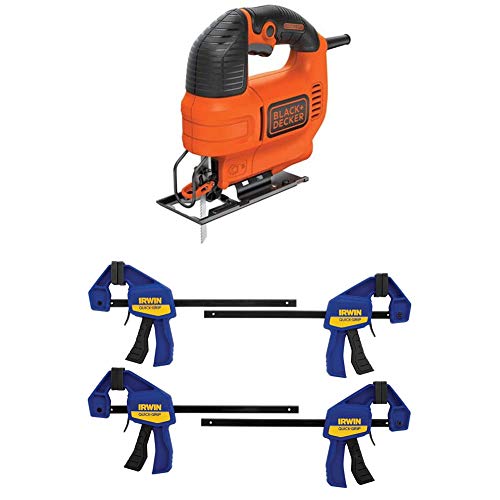
BLACK+DECKER Jig Saw with Irwin Quick-Grip Clamps, 4.5-Amp, 6-Inch Blade (4-Pack)
BLACK+DECKER
Mid-Range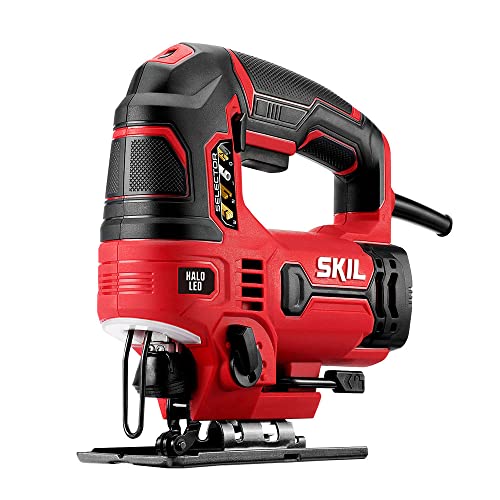
Skil 6 Amp Corded Jig Saw JS314901
Skil
Mid-Range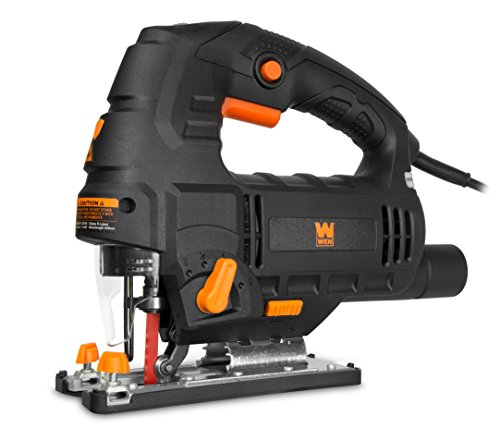
WEN 33606 Orbital Jig Saw with Laser and LED
WEN
Mid-Range
DEWALT 20V MAX Jig Saw (DCS331B) – Tool Only
DEWALT
Premium
SKIL PWR CORE 20V Jig Saw Kit
Skil
Premium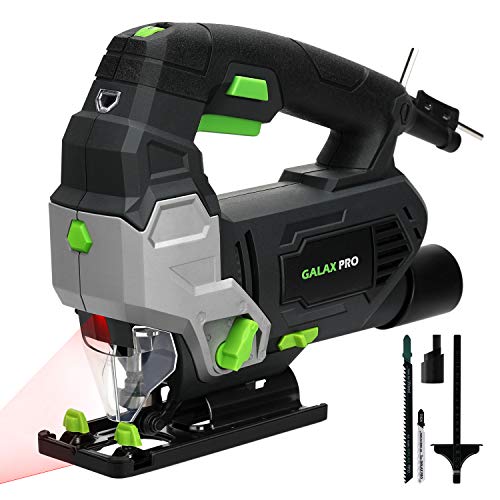
GALAX PRO 6.5 Amp Jig Saw
GALAX PRO
Mid-Range
Craftsman V20 Cordless Jig Saw (CMCS600B) with 3 orbital settings
CRAFTSMAN
Mid-Range
BOSCH JS260 Top-Handle Jig Saw with 6A motor
Bosch
Premium
Cordless jigsaw for DeWalt 20V max, brushless orbital jig saw
BROVR
Mid-Range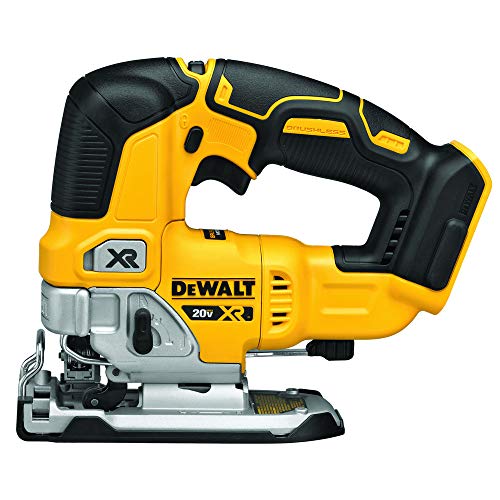
DEWALT 20V MAX XR Jig Saw with Brushless motor
DEWALT
Premium
Craftsman V20 Cordless Jig Saw with 2.0Ah Battery
CRAFTSMAN
Premium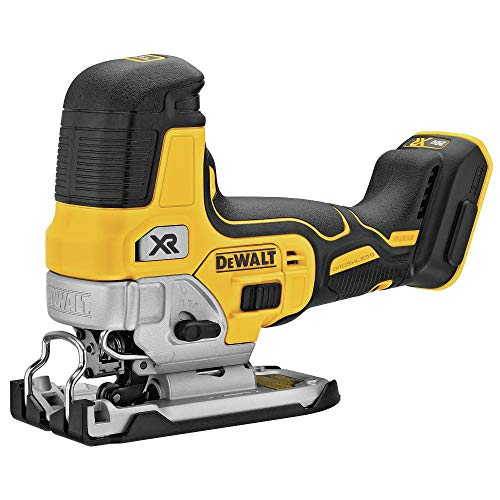
DEWALT 20V MAX Jig Saw, Cordless, Barrel Grip (DCS335B)
DEWALT
Premium
Jig Saw for Milwaukee 18V Battery - Cordless Jigsaw
bellaDimora
Mid-Range
Jigsaw (Dewalt 20V battery compatible) cordless with LED light
bellaDimora
Mid-Range
Cordless Jigsaw with LED Work Light (0-45 Bevel) for Makita 18V
bellaDimora
Mid-Range
DEWALT 20V MAX Jig Saw & Orbital Sander Bundle
DEWALT
Premium
Cordless Jig Saw for Milwaukee 18V - 800W Brushless motor
DEMIMA
Mid-Range
Jigsaw for Milwaukee 18V cordless with bevel, orbital settings
Cerycose
Mid-Range
Jigsaw Compatible with Dewalt 20v Max Battery, NATBEESY Cordless Jig Saw
NATBEESY
Mid-Range
Makita 18V LXT Brushless 2-Pc Combo Kit with Jig Saw
Makita
PremiumRoundups
Frequently Asked Questions
How do I choose the right power jigsaw for my projects?
Choose based on motor power and stroke rate for cutting speed, orbital settings and bevel capacity for versatility, and blade clamp type (tool-free vs keyed) for convenience. Match features to materials you’ll cut—higher power and variable speed for hardwoods and metals, lower power for light DIY and laminates
What blade types and tooth patterns should I use for different materials?
Use blades labeled for wood with larger, more aggressive teeth for fast cuts in softwood; fine-toothed wood or multipurpose blades for plywood and laminates to reduce splintering; and bi-metal or metal-cutting blades with smaller teeth for steel and nonferrous metals. Match blade length and shank type (T-shank is common) to your jigsaw
Are corded or cordless jigsaws better for me?
Corded jigsaws deliver consistent power for long or heavy-duty jobs, while cordless models offer portability and convenience for jobsite or remote work; choose cordless with higher-voltage batteries (18–20V or more) if you need near-corded performance. Consider battery life and whether you already own compatible batteries from a brand
What safety and usability features should I look for?
Look for features like variable speed control, orbital action lock, blade guard or cover, dust blower or extraction port, tool-free blade change, and a secure footplate with adjustable bevel. Use proper PPE—eye and hearing protection, and clamp workpieces to reduce kickback and keep fingers clear of the blade path
How should I maintain a power jigsaw to keep it performing well?
Regularly clean dust from vents and the shoe, inspect and replace dull or damaged blades, check blade clamp and power cord or battery contacts, and periodically lubricate moving parts if recommended by the manufacturer. Store in a dry place and follow the owner's manual for any motor or gearbox service intervals
What should I expect to pay for a reliable power jigsaw?
Prices vary by power, features, and brand; budget options can be found under $50, midrange corded and cordless models commonly sit around $75–$200, and higher-end or specialty units cost more. Consider total cost including blades, batteries, and accessories when budgeting
How do bevel capacity and orbital action affect cutting performance?
Bevel capacity (commonly 0–45°) lets you make angled cuts; higher precision needs accurate shoe adjustments. Orbital action changes the blade's cutting path from straight to elliptical—more orbital action increases cutting speed and aggressiveness for rough cuts in wood, while less or no orbital action gives cleaner cuts and better control for curves and laminates