Power Paint & HVLP Sprayers
Power Paint & HVLP Sprayers covers handheld and cart-mounted paint sprayers, HVLP turbine systems, and related spray guns and accessories for DIY and professional use. The category includes about 180 indexed products with an average rating of 4.40 and price tiers from budget to premium (avg ~(price varies)); notable brands include Graco
Top Products
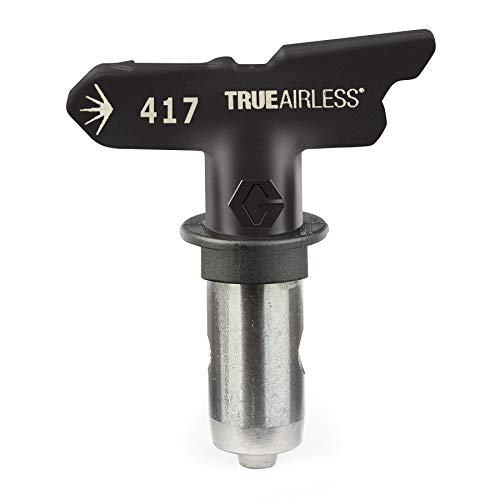
Graco TRU417 TrueAirless 417 Spray Tip, Black, Silver
Graco
Budget
Graco TRU521 TrueAirless 521 Spray Tip
Graco
Budget
Graco TRU415 TrueAirless 415 Spray Tip
Graco
Budget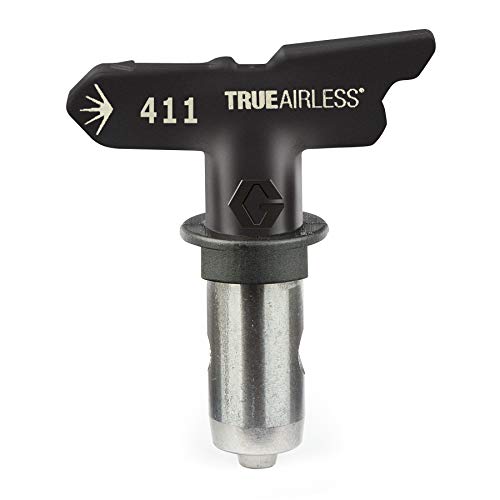
Graco TRU411 TrueAirless 411 Spray Tip, 0.011 in opening
Graco
Budget
Graco TRU211 TrueAirless 211 spray tip
Graco
Budget
Graco TRU621 TrueAirless 621 Spray Tip
Graco
Budget
Graco TRU311 TrueAirless 311 Spray Tip
Graco
Budget
HVLP spray gun with 1.4/1.7/2.0mm nozzles, 600ml capacity
PNTGREEN
Budget
Graco TrueAirless 315 Spray Tip Bundle with Pump Armor
Graco
Mid-Range
HVLP Spray Gun Kit with 1.3/1.5/1.7mm Nozzles for DIY Painting
PNTGREEN
Budget
LVLP Siphon Spray Gun with 2.0mm Nozzle and 1000cc Capacity
PNTGREEN
Mid-Range
NEIKO air spray paint gun HVLP gravity feed 2.0mm nozzle
NEIKO
Mid-Range
Graco TrueAirless 311 Spray Tip & 4 ft Hose Whip Bundle
Graco
Mid-Range
Cordless Paint Sprayer with Adjustable Flow & Patterns
MirrorZone
Mid-Range
Cordless paint sprayer with adjustable flow and multiple nozzles
MirrorZone
Mid-Range
Paint Sprayer 700W HVLP with 4 nozzles & 3 patterns
VONFORN
Mid-Range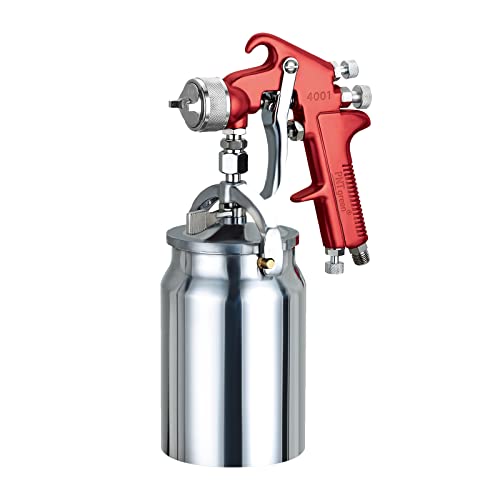
HVLP spray gun with 1000cc suction cup, 1.8mm nozzle
PNTGREEN
Mid-Range
Paint Sprayer 700W HVLP with 4 nozzles & 3 patterns
VONFORN
Mid-Range
NEIKO HVLP spray gun 1.7 mm nozzle with 600 cc cup
NEIKO
Mid-Range
Fflp 208 Spray Tip for Graco RAC X
Graco
Budget
Finish Max paint sprayer HVLP electric spray gun
HomeRight
Budget
NEIKO HVLP spray gun with gravity feed 1.3 mm nozzle
NEIKO
Mid-Range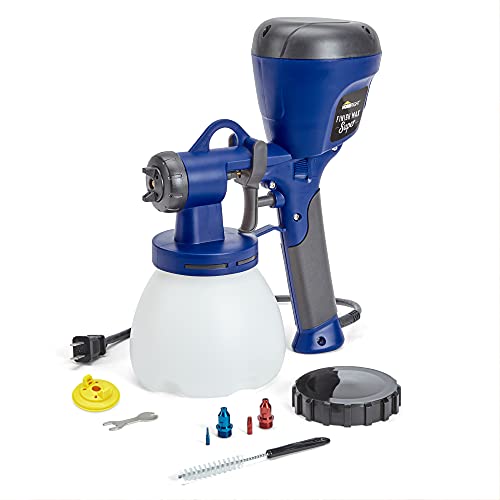
HomeRight Super Finish Max HVLP Paint Sprayer (3 tips, 3 spray patterns)
HomeRight
Mid-Range
Graco TRU311 TrueAirless 311 Spray Tip & 243041 Extension
Graco
Mid-RangeRoundups
- Best Power Paint & HVLP Sprayers for Cabinet Refinishing (2026)
- Best Power Paint & HVLP Sprayers for Staining Cabinets (2026)
- Best Power Paint & HVLP Sprayers for Staining Fences (2026)
- Best Power Paint & HVLP Sprayers Under $200 (2026)
- Best Power Paint & HVLP Sprayers Under $100 (2026)
- Best Power Paint & HVLP Sprayers Under $50 (2026)
- Best Power Paint & HVLP Sprayers (2026 Guide)
Frequently Asked Questions
How do I choose between an HVLP sprayer and a power (airless) paint sprayer?
Choose HVLP for fine-detail work, low overspray, and thin coatings (lacquer, stains, furniture); choose airless/power sprayers for faster coverage on large surfaces and thicker coatings (exterior house paint, primers). Consider material viscosity, desired finish quality, and project size when deciding
What spray tip size and PSI/settings should I look for?
Match tip size to coating viscosity: lower numbers (small tips) for thin finishes and higher numbers for thicker paints; HVLP units list flow in gpm and nozzle sizes, while airless units list tip orifice in thousandths of an inch. Check the sprayer's recommended psi/pressure range and pick a tip within that range for consistent atomization and minimal clogging
How much should I expect to spend and what features affect price?
Power paint and HVLP sprayers typically range from budget models under $50 to professional units several hundred dollars, with an average around $80 across entry and mid-level options. Price is driven by motor power, build quality, nozzle compatibility, tank size, and whether the unit is intended for DIY or professional continuous use
What surface prep and thinning requirements do these sprayers need?
Surfaces should be clean, dry, and free of loose material; many paints require thinning to the manufacturer's specified viscosity for good atomization—check product guidance and test on scrap. Use strainers to remove particulates and follow recommended thinning solvents to avoid clogging or poor finish
How do I maintain and clean a sprayer to extend its life?
Clean the fluid passages, nozzle, and filter immediately after use with the appropriate solvent (water for latex, mineral spirits for oil-based), flush until clear, and inspect/replace worn seals and tips. Regularly clean or replace intake and inline filters and store components dry to prevent corrosion and blockages
What safety and overspray precautions should I take?
Wear a respirator rated for paint fumes, eye protection, and gloves; ventilate the work area and mask off surrounding surfaces to control overspray. Keep ignition sources away when spraying flammable coatings and follow local disposal rules for solvents and leftover paint
Are replacement parts and compatible tips easy to find?
Many brands use common nozzle and filter sizes, and replacement tips, seals, and filters are widely available for popular models, but compatibility varies by manufacturer. Verify part numbers or universal fit options before purchasing to ensure replacements are accessible