Power Polishers & Buffers
Power polishers and buffers for vehicle and surface finishing, including rotary and dual-action tools, pads, and accessories. 35 products indexed with an average rating of 4.45 and price range from $36 to $349 (average about (price varies)), featuring brands like ANTENGDATOOL
Top Products
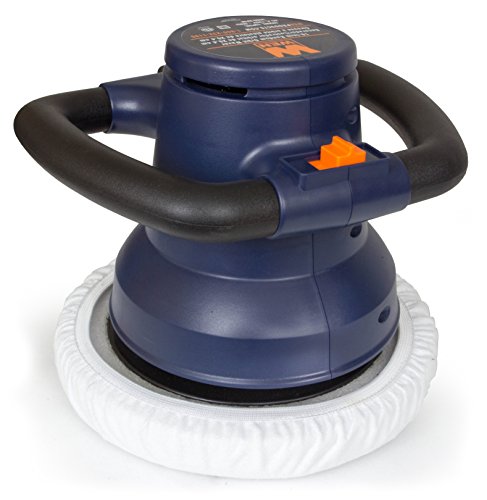
WEN 10PMC 10-Inch Waxer/Polisher in Case
WEN
Mid-Range
BLACK+DECKER 6" Buffer Polisher WP900
Black & Decker
Mid-Range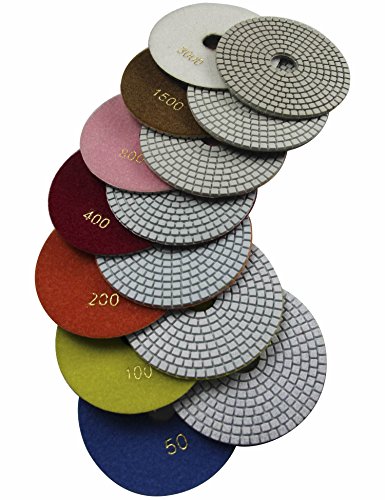
Wet 6" Diamond Polishing Pads for Stone & Concrete
Konfor
Mid-Range
7 Step 7" Wet Diamond Polishing Pads Set for Stone
Konfor
Mid-Range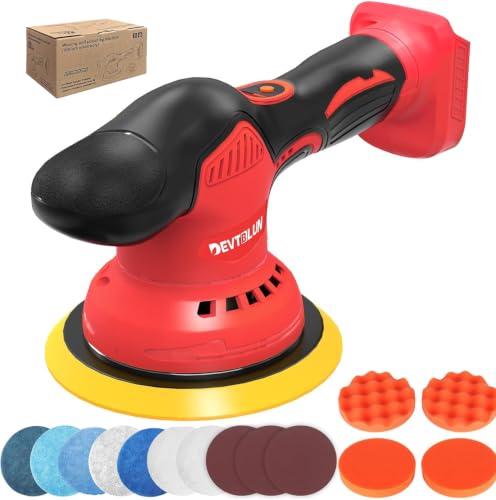
Cordless 6in Buffer Polisher for Milwaukee 18v (no battery)
DEVTBLUN
Mid-Range
16-pack Dry Diamond Polishing Pads Set (4 inch) for granite and stone
ANTENGDATOOL
Budget
16 Pk Dry Diamond Polishing Pads 4" Grit 100 with Backer Pads
ANTENGDATOOL
Budget
16-pack dry diamond polishing pads 4in for granite marble quartz concrete
ANTENGDATOOL
Budget
8" Wet Diamond Polishing Pads Set (7pcs) for Marble, Granite, Concrete
Konfor
Mid-Range
MaxMore 5in Cordless Polisher for DeWalt 20V MAX
MaxMore
Mid-Range
Cordless buffer polisher 6 inch with 8 discs (fits 20V)
Darkboom
Mid-Range
Bench buffer polisher with three polishing wheels
VEVOR
Mid-Range
Cordless car polisher for Milwaukee 18V batteries
LotaTools
Mid-Range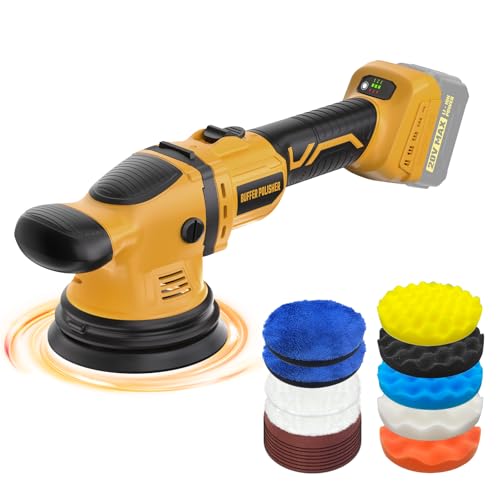
Cordless Buffer Polisher Kit for DeWalt 20V (Tool Only) 6-Inch
VERVEWAVE
Mid-Range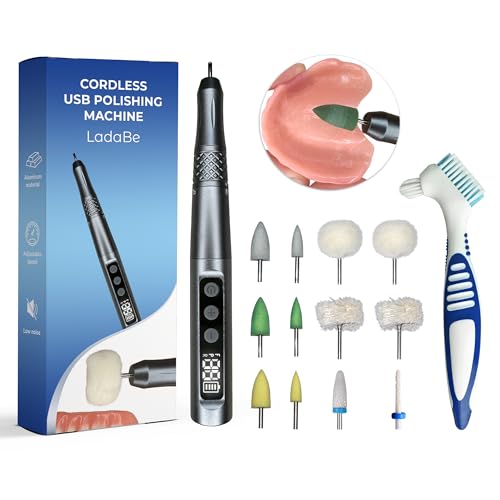
Cordless USB Polishing Machine 35000 RPM Kit
LadaBe
Mid-Range
Cordless Car Buffer Polisher Kit 6 Inch Orbital
DEVTBLUN
Mid-Range
Dry Diamond Polishing Pads 4" Grit 400 (16 pcs) with backer pads & adapters
ANTENGDATOOL
Budget
Craftsman V20 Cordless Buffer Polisher (CMCE100B) 10" Orbital
CRAFTSMAN
Mid-Range
USB Polishing Machine with Polishing Heads
LadaBe
Mid-Range
5 inch dry diamond polishing pads set for granite and tile
ANTENGDATOOL
Mid-Range
Cordless car polisher with 21V brushless motor (5") – 2x4.0Ah battery
JEXUGK
Mid-Range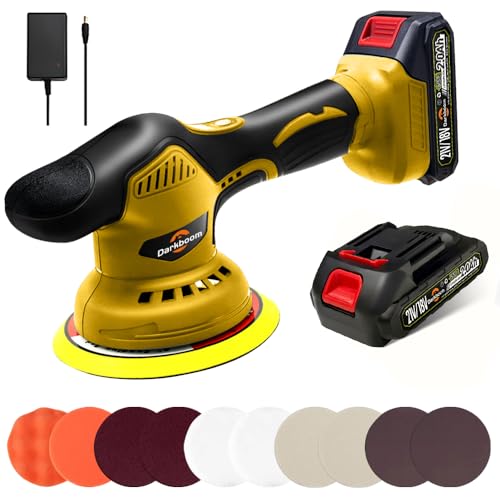
Cordless buffer polisher 6in with 2 batteries and charger
Darkboom
Mid-Range
Jewelry Polisher & Buffer for Bench Grinder
hightall
Mid-Range
VEVOR Bench Buffer Polisher with 3 wheels, 3590RPM
VEVOR
Mid-RangeRoundups
- Best Power Polishers & Buffers for Concrete Polishing (2026)
- Best Power Polishers & Buffers for Marble Polishing (2026)
- Best Power Polishers & Buffers for Car Detailing (2026)
- Best Power Polishers & Buffers Under $200 (2026)
- Best Power Polishers & Buffers Under $100 (2026)
- Best Power Polishers & Buffers Under $50 (2026)
- Best Power Polishers & Buffers (2026 Guide)
Frequently Asked Questions
How do I choose the right power polisher or buffer for my project?
Pick by task and surface: dual-action polishers are safer for beginners and paint correction on cars, rotary polishers remove heavy defects but require experience, and smaller orbital or mini polishers are better for tight spots. Match motor power and RPM range to the job—higher torque for heavy compounding, variable speed for versatility—and choose pad size compatible with the surfaces you’ll work on
What features should I prioritize for durability and performance?
Look for a robust motor with adequate wattage or amp rating, metal gear housing or reinforced plastic for longevity, sealed or well-ventilated motor design to resist dust, and reliable variable-speed control. Ergonomics (weight and handle design) and a quick-change backing plate or hook-and-loop pad system also improve usability and reduce fatigue
How much should I expect to spend and what are typical price tiers?
Prices typically fall into budget under $50 for basic handheld polishers, mid-range tools around $50–$150 offering better motors and controls, and professional-grade models above that for higher power and durability. The category average price is near (price varies), so consider intended use and frequency of use when choosing a tier
What accessories and pads do I need and how do they affect results?
Common accessories include foam cutting, polishing, and finishing pads, microfiber bonnets, backing plates sized to your polisher, and appropriate compounds or polishes. Pad material and firmness determine aggressiveness—stiffer or denser pads cut more, softer pads refine—so select pads matched to the compound and defect level
How do I maintain a polisher to extend its lifespan?
Keep vents and cooling paths clear of dust, clean or replace worn pads and backing plates, inspect and tighten fasteners regularly, and store in a dry place. Follow manufacturer guidance for brushes or bearings replacement and avoid prolonged high-RPM usage that can overheat the motor
Are cordless polishers a good option compared to corded models?
Cordless polishers offer mobility and convenience for off-site or remote work, but check battery capacity, voltage, and run time—higher-voltage packs give more torque. Corded models generally provide consistent power for long sessions and usually cost less for equivalent performance
What safety precautions should I take when using a power polisher?
Wear eye protection and a dust mask for dust and polish residue, secure loose clothing and jewelry, and use firm, controlled pressure—let the machine do the work to avoid heat or swirl marks. Ensure the workpiece is stable and avoid polishing near edges where a pad could catch