Power Tile & Masonry Saws
Power Tile & Masonry Saws covers wet and dry tile saws, masonry chop and cut-off saws, and related blades and accessories for cutting ceramic, stone, concrete, and brick. The category averages a 4.33 rating across 16 products with prices ranging about $60 to $770, featuring brands like VEVOR and Skil
Top Products

SKIL 7-Inch Wet Tile Saw
Skil
Premium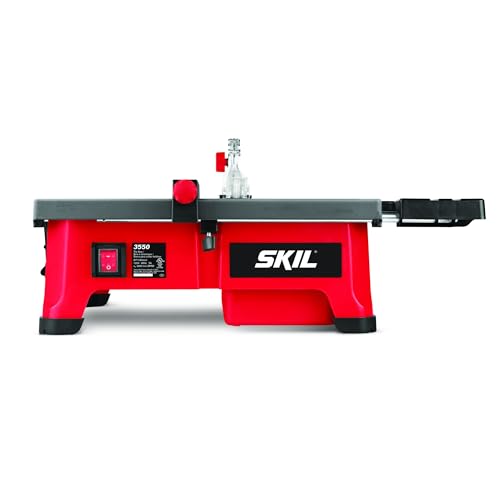
Skil 7-Inch Wet Tile Saw with HydroLock Water Containment
Skil
Premium
VEVOR Electric Concrete Saw 12 in, 1800 W, wet-cut
VEVOR
Premium
Rotorazer Compact Circular Saw Set with Case and Blades
Rotorazer Saw
Premium
VEVOR Electric Concrete Saw 14 in with Wet/Dry Cutting
VEVOR
Premium
DEWALT 4-3/8 in Wet/Dry Masonry Saw with XP4 blade
DEWALT
Premium
VEVOR Electric Concrete Saw 16 in, 3200 W, Wet Cutting
VEVOR
Premium
Toe Kick Saw EKS85 with 3-3/8 in blades
igooo
Mid-Range
VEVOR Wall Chaser with Laser Guide, 5800W, 6800rpm, 2.05" x 1.5" Groove
VEVOR
Premium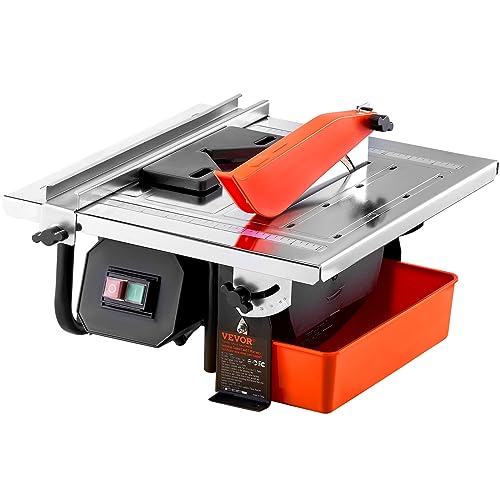
VEVOR 7-inch Wet Tile Saw with 65Mn Blade
VEVOR
Mid-Range
Tile vibration tool for Dewalt 20V battery
Brngeqi
Mid-Range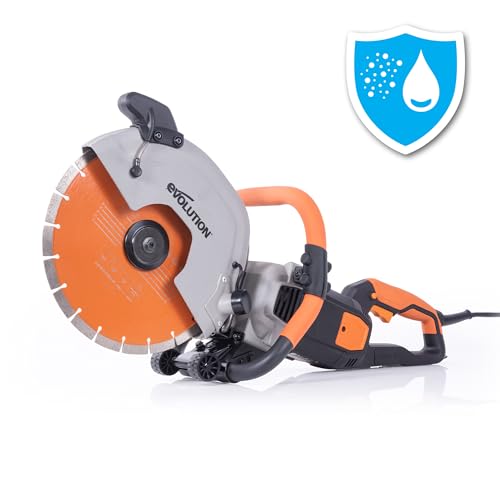
Evolution R12DCT 12in Concrete Saw with Water Fed Dust Suppression
EVOLUTION
Premium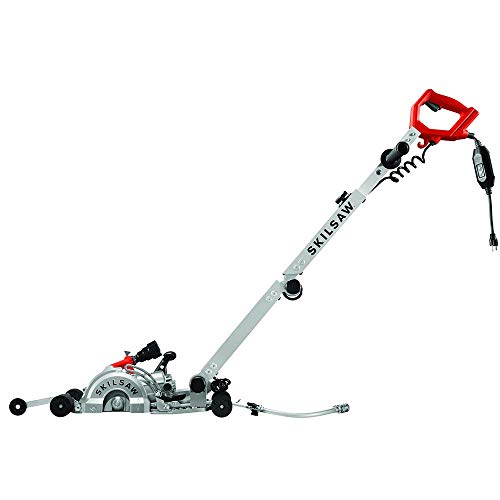
SKIL 7" Walk Behind Worm Drive Concrete Saw
Skil
Premium
Evolution 14 Electric Concrete Saw with 5-1/8 in cut depth
EVOLUTION
Premium
Hi-Tech Diamond 6" Lapidary Saw with Dual Diamond Blades
Hi-Tech Diamond
Premium
WORKPRO 16 Inch Wet Concrete Saw with Water Cutting Attachment
WORKPRO
PremiumRoundups
Frequently Asked Questions
How do I choose the right power tile or masonry saw for my project?
Match the saw size and motor power to your materials and cut length: smaller wet tile saws (7–10 in.) suit ceramic and occasional porcelain, while larger masonry/concrete saws (14 in. and up) with higher horsepower handle thick natural stone, pavers, and continuous heavy use. Also consider wet vs. dry cutting, blade compatibility (diamond blades for masonry), portability, and dust control features
Should I get a wet or dry masonry/tile saw?
Wet saws use water to cool the blade and reduce dust, making them ideal for porcelain, natural stone, and prolonged cutting; dry saws run without water and are more portable but produce more dust and require appropriate dust collection and PPE. Choose based on the material, work environment, and whether you can manage water on-site
What safety features should I look for in these saws?
Key safety features include blade guards, riving knives or anti-kickback devices, a reliable on/off switch with lockout, sturdy fence or guide systems for stable cuts, splash guards for wet saws, and compatibility with dust extraction or a vacuum for dry cutting. Always use proper PPE such as eye, ear, and respiratory protection
How do I maintain a tile or masonry saw to extend its life?
Regular maintenance includes keeping the blade clean and sharp (replace worn diamond blades), checking and tightening mounting hardware, flushing and changing water on wet saws to prevent buildup, cleaning dust from vents and moving parts, and lubricating rails or guides per the manufacturer's instructions
What blade types and sizes are commonly used, and how do I choose one?
Diamond blades are standard for tile and masonry; choose continuous rim blades for smooth cuts in porcelain and ceramic, and segmented or turbo blades for faster cuts in concrete and dense stone. Match the blade diameter to the saw's arbor and select the rim type based on material hardness and desired finish
Are portable power tile and masonry saws suitable for jobsite use?
Yes—many models are designed for portability with folding stands, lighter frames, or handheld cutoff designs; ensure the chosen saw offers adequate motor power, blade size, dust/water management, and durability for the expected workload on site
What price range should I expect and how does cost relate to performance?
Entry-level small tile saws often fall in lower price brackets suitable for occasional DIY use, while mid-range to professional masonry saws are more expensive but offer higher motor power, larger blade capacity, better build quality, and more durable components; evaluate features and expected usage rather than price alone