Power Tool Battery Chargers
Power Tool Battery Chargers covers chargers compatible with cordless tool batteries across voltage platforms, including multi-chemistry and fast-charge models for jobsite and home use. The 58 indexed products average a 4.55 rating and range from budget to premium prices (about $33–$349); top brands include DEWALT and Milwaukee
Top Products

Makita outdoor power source 18V LXT with USB (cordless, camo)
Makita
Budget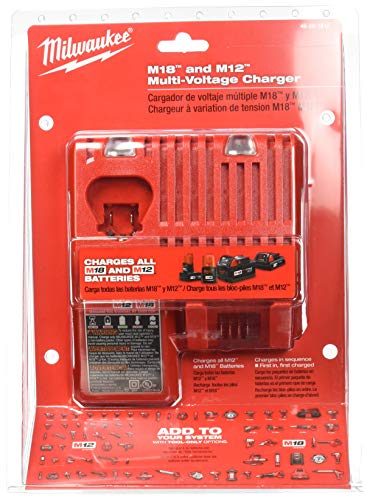
Milwaukee 18V/12V multi-voltage battery charger with onboard fuel gauge
Milwaukee
Budget
BLACK+DECKER 20V MAX Battery Charger, 2A
BLACK+DECKER
Mid-Range
DEWALT 20V MAX Charger (DCB115)
DEWALT
Mid-Range
Bosch 12V Max Battery and Charger Starter Kit
BOSCH
Mid-Range
SYMIK 225W Power Source & 140W Charger for Ryobi 18V
SYMIK
Mid-Range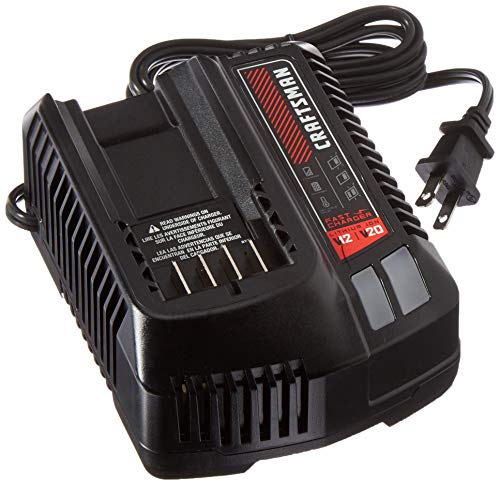
CRAFTSMAN V20 Battery Charger
CRAFTSMAN
Mid-Range
Kobalt 40-V cordless power equipment battery charger (Gen 2)
Kobalt
Mid-Range
Dual Port 20V Fast Charger for Craftsman V-20 Battery
DONGPUCUN
Mid-Range
Milwaukee M12/M18 Rapid Battery Charger (Multi-Voltage)
Milwaukee
Mid-Range
Bosch GXS18V-23B21 Starter Kit with 2x 18V Slimpack Batteries
Bosch
Mid-Range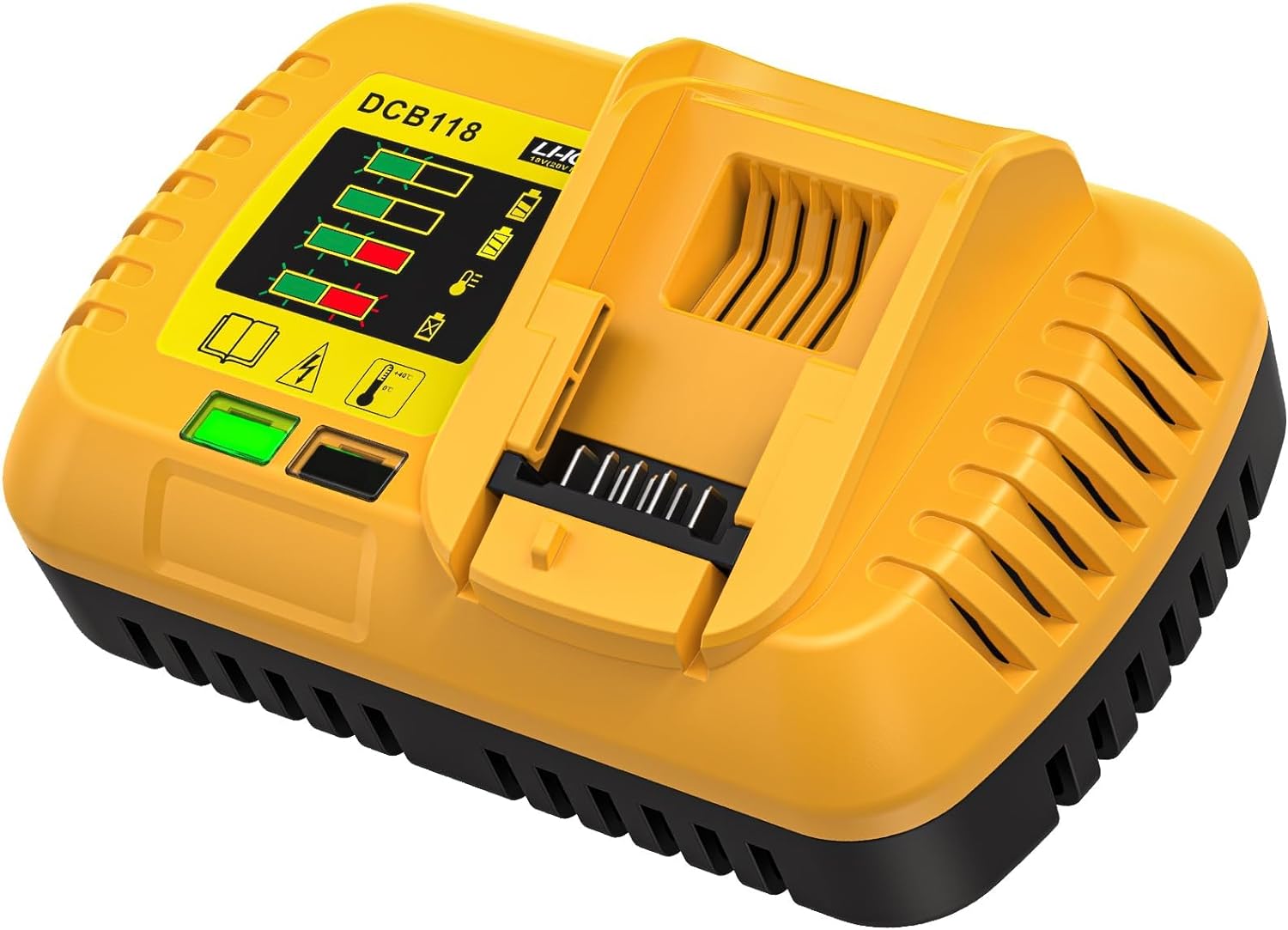
DCB118 Rapid Charger for DeWalt 20V/60V MAX
Simple Plus+
Mid-Range
Lasica 20V V20 dual charger for Craftsman batteries
Lasica
Mid-Range
Dual Port V20 Battery Fast Charger for Craftsman 20V Max
Gonocop
Mid-Range
Skil 12V USB-C battery & charger starter kit
Skil
Mid-Range
Powilling P117 Replacement 12-18V Charger for Ryobi ONE+
Powilling
Budget
Replacement Ryobi 40V charger dual port USB-C OP4026 OP4050 compatible
Amityke
Mid-Range
DEWALT 20V MAX Starter Kit with POWERSTACK Battery and Charger
DEWALT
Mid-Range
SYMIK 3-Pack Ryobi 18V Charger Variety Pack PSC Pro Max/Pro/One
SYMIK
Mid-Range
12V/20V max battery charger replacement for dewalt dcb102
TeenPower
Mid-Range
Greenworks Pro 60V 3A Standard Charger
Greenworks
Mid-Range
54.6V Charger for Jetson Haze Battery
SYFLYH
Mid-Range
Faster Replacement Charger for EGO 56V Battery (CH2100) by TenHutt
TenHutt
Mid-Range
V20 battery fast charger with 2 USB ports
Gonocop
BudgetRoundups
Frequently Asked Questions
How do I choose a battery charger that is compatible with my power tool batteries?
Match the charger to the battery chemistry (Li-ion, NiCd, NiMH) and the battery voltage specified by the tool manufacturer; check for model or series compatibility and any required adapter plates or proprietary connectors
What factors should I consider when deciding between a budget charger and a higher-end model?
Consider charge speed, safety features (overcharge, overheat, reverse polarity protection), supported battery chemistries, multiple-bay capability, and build quality; budget models often cover basic charging while higher-end units add faster charging, diagnostics, and longer warranties
How important is charge rate and what do C-rate or amp ratings mean for charging time?
Charge rate (amps) and C-rate indicate how fast a charger delivers current relative to battery capacity; higher amps shorten charge time but may stress batteries if unsupported, so use chargers with recommended charge rates for the battery to balance speed and longevity
Can I leave a battery on the charger overnight or for extended periods?
Only if the charger has an automatic float, maintenance or trickle mode and overcharge protection; chargers without these features should not be used for extended top-off charging to avoid battery degradation
What safety features should I look for in a power tool battery charger?
Look for overcharge and overcurrent protection, temperature monitoring/thermal cutoff, short-circuit and reverse-polarity protection, and compliance markings (UL, CE or equivalent) to ensure basic safety standards
Are multi-brand or universal chargers a good option for mixed battery fleets?
Universal chargers can be convenient if they explicitly support the chemistries, voltages, and connector types you use; verify manufacturer guidance and safety features because using the wrong settings or connectors can damage batteries
How should I care for and store chargers and batteries to maximize lifespan?
Store chargers and batteries in a cool, dry place out of direct sunlight; avoid extreme temperatures, disconnect batteries from chargers after charging, and follow manufacturer storage charge levels (often around 40–50% for Li-ion) for long-term storage