Power Tool Lubricants
Lubricants and maintenance fluids for power tools and pneumatic equipment, including greases, oils, and penetrating sprays for drills, saws, and compressors. Brands include WD-40 and 3-IN-ONE; prices span budget through premium (avg ~(price varies)) across 18 indexed products with a 4.71 average rating
Top Products

3-IN-ONE Garage Door Lubricant with Spray Straws 11 oz (6-pack)
3-IN-ONE
Mid-Range
WD-40 Specialist Penetrant with Smart Straw 2-way spray, 11 oz (6-Pack)
WD-40 Specialist
Mid-Range
WD-40 Multi-Use Product with Smart Straw 8 oz (6-Pack)
WD-40
Mid-Range
Blaster Garage Door Lubricant Spray 9.3oz (Case of 12)
Blaster
Mid-Range
All-Purpose Metalworking Compound - Water-Based Cutting Fluid
Anchorlube
Mid-Range
3-IN-ONE Pneumatic Tool Oil, 4 oz, 12-pack
3-IN-ONE
Mid-Range
Coilhose Pneumatics Air Tool Lubricant 16-Oz
Coilhose Pneumatics
Mid-Range
Cutting Paste for Metal Drilling - Beeswax Lubricant (2.5 oz) 6-Pack
Lubri-Cut
Mid-Range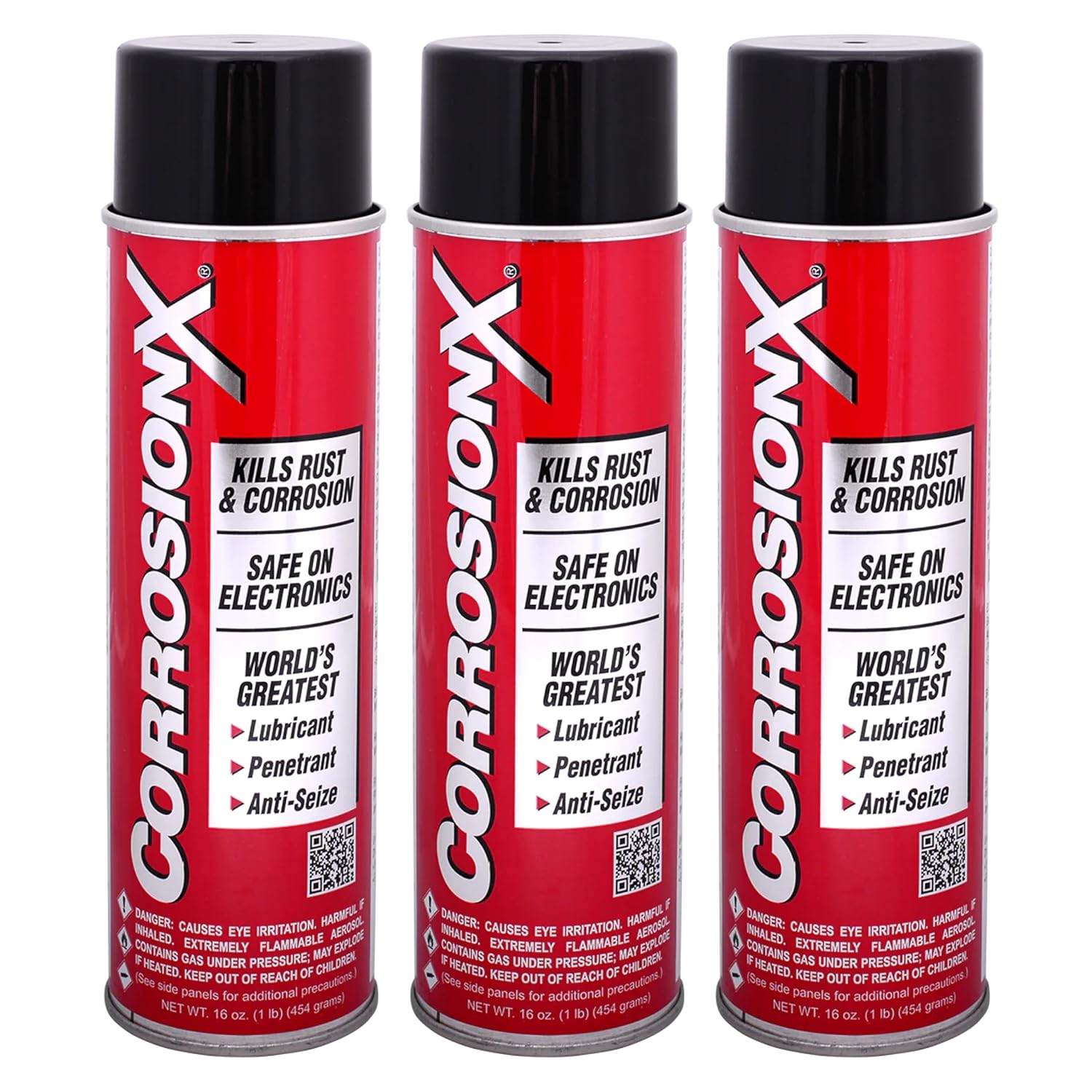
CorrosionX Penetrating Oil & Rust Remover, Dielectric Lubricant 3-Pack 16oz
CorrosionX
Mid-Range
CMT 2050 Blade & Bit Cleaner 1 gal
CMT
Budget
Trend Diamond Lapping Fluid, 17 fl oz, blue (professional grade)
TREND
Mid-Range
IDEAL Shredder Lubricating Oil 1 Gallon
IDEAL.
Mid-Range
WD-40 Original Formula Multi-Use Product (1 gal) – 4-Pack
WD-40
Premium
Ingersoll Rand All Season Select Synthetic Lubricant 1L
Ingersoll Rand
Mid-Range
WD-40 Multi-Use Product (5 Gallon) - versatile lubricant
WD-40
Premium
Free All Deep Penetrating Oil Rust Remover - 11 oz Aerosol (12 pack)
Gasoila
Premium
ODIE'S Mr. Cornwall's Super-Duper Everlasting Oil 9 Oz
ODIE'S
Mid-Range
WD-40 Multi-Use Product, 55-Gallon Drum
WD-40
PremiumRoundups
Frequently Asked Questions
How do I choose the right lubricant for pneumatic vs. electric power tools?
Use pneumatic-tool lubricants (air tool oil) for compressors, air motors, and pneumatic fittings to prevent rust and seal wear; use electric tool lubricants or light machine oils for motors, bearings, and moving parts in corded/cordless tools. Check the tool manufacturer's maintenance guide for viscosity and compatibility recommendations
What viscosity or type should I look for to reduce wear and extend tool life?
Choose a lubricant with the viscosity and additives suited to the application: light machine oils for low-friction moving parts, heavier greases for gearboxes and high-load bearings, and anti-wear or extreme-pressure (EP) formulations for high-torque connections. Product labels typically list intended uses and ISO or SAE viscosity ratings
Are there lubricants that prevent corrosion and moisture in air tools and compressors?
Yes — rust inhibitors and water-displacing sprays are formulated to repel moisture and leave a protective film; use these in conjunction with proper drainage and in-line lubricators for air systems to reduce corrosion in pneumatic tools and fittings
How often should I lubricate and how much should I use?
Follow the tool manufacturer's schedule; common practice is light oiling before each use for small hand tools and regular greasing or oiling at specified hour intervals for industrial tools. Use only the amount recommended—over-lubrication can attract debris and cause seals to fail
Can lubricants affect seals, hoses, or coatings on my tools?
Some solvents and petroleum-based lubricants can swell or degrade certain rubbers, plastics, or painted finishes, so verify material compatibility on the lubricant label and avoid aerosol sprays with aggressive solvents near sensitive components
What safety and storage considerations should I follow for tool lubricants?
Store lubricants in cool, dry, ventilated areas away from ignition sources; keep containers tightly closed and follow SDS guidance for handling, PPE, and disposal. Use non-pressurized containers or recommended applicators to minimize spills and inhalation exposure
How do I compare cost-effectiveness when prices vary widely in this category?
Compare by volume and application frequency — calculate cost per ounce or per maintenance cycle — and factor in expected tool life improvements from higher-grade oils or greases; basic maintenance oils are often under typical budget thresholds while specialty formulations cost more but may reduce downtime