Power Tool Parts & Accessories
Replacement parts, consumables, and accessories for drills, rotary tools, shears, and related power equipment used in trade and industrial work. Includes items from brands like VEVOR and Dremel; 12 products indexed with an average rating of 4.58 and prices ranging about $33–$169 (avg ~(price varies))
Top Products

Dremel Tungsten Carbide Carving Bit, Round-Over (3 pack) 1/8" Shank
Dremel
Budget
Malco TS1 Turbo Sheet Metal Cutter Attachment
Malco
Mid-Range
Mibro carbide stacking dado blade set + glue bottle bundle
Mibro
Mid-Range
WD-40 Multi-Use Product with Smart Straw 12 oz (12-Pack) & 1-gallon
WD-40
Premium
VEVOR Log Lifting Tongs 28in with 1100LBS capacity
VEVOR
Mid-Range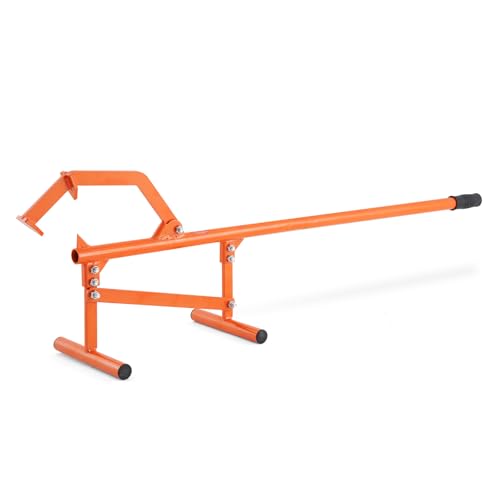
VEVOR 48" Timberjack Log Lifter with Adjustable Cant Hook
VEVOR
Mid-Range
VEVOR 32in Log Lifting Tongs, 2-Claw Swivel Grapple
VEVOR
Mid-Range
VEVOR 28in Log Lifting Tongs, 4-Claw Log Grapple
VEVOR
Mid-Range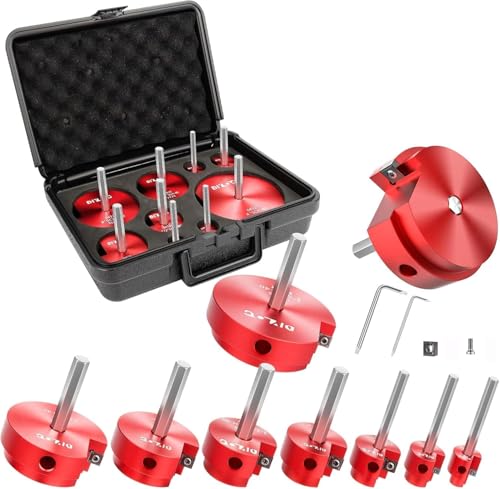
PVC pipe reamer kit with 9 sizes for SCH40 fittings
Diylog
Mid-Range
VEVOR Log Lifting Tongs 32in with 4-claw hook
VEVOR
Premium
Rousseau 5000 Dust Solution with 4" to 2-1/2" reducer for miter saws
Rousseau
Premium
VEVOR 36in Log Lifting Tongs with 3300 lbs capacity
VEVOR
PremiumRoundups
Frequently Asked Questions
How do I choose the right power tool part or accessory for my tool model?
Match the part number or model compatibility listed by the manufacturer, check dimensions and mounting interfaces (shaft size, arbor, thread), and verify electrical specs (voltage, RPM limits) when applicable to ensure fit and safe operation
What should I consider when comparing replacement blades, bits, or wheels?
Compare material and grit/coating for the workpiece (carbide, HSS, diamond, abrasive grit), correct size and arbor, rated speed (RPM) to match your tool, and the intended application (cutting, grinding, sanding, finishing)
Are aftermarket parts from brands like VEVOR, Dremel, Malco, Diylog, or Rousseau reliable substitutes?
Aftermarket parts can be functional and cost-effective if they list explicit compatibility and meet the same material and safety standards; verify specifications, warranty terms, and user reviews focused on fit and durability before substituting
What is a reasonable price range for power tool parts and accessories in this category?
Accessory prices vary widely by type and quality—small bits and sanding accessories often fall under $50, specialty wheels and blades commonly range $25–$200, and more complex replacement components average around the category mean (about (price varies))
How can I maintain and extend the life of power tool parts and accessories?
Clean debris after use, store in a dry location, keep cutting edges sharp or replace worn abrasives, follow manufacturer torque and RPM limits, and inspect mounting points and bearings regularly for wear
What safety checks should I perform before installing a replacement part?
Disconnect power or remove the battery, inspect the new part for cracks or defects, confirm correct orientation and secure fastening to manufacturer torque specs, and run the tool at low speed briefly to check for vibration before full use
Can I replace electrical components like switches and cords myself?
If you have basic electrical skills, replacing cords and switches is possible, but follow the tool's wiring diagram, use parts rated for the same voltage and current, and ensure all connections are insulated; otherwise seek a qualified technician to avoid shock or fire risk