Power Water Pumps
Power water pumps in Tools & Industrial cover electric and gasoline-driven pumps for transferring, draining, and pressurizing water across residential and light commercial tasks. The category includes budget through mid-range options (avg price ~(price varies)) with brands like TDRRICH among 37 indexed products and an average rating of 4.33
Top Products
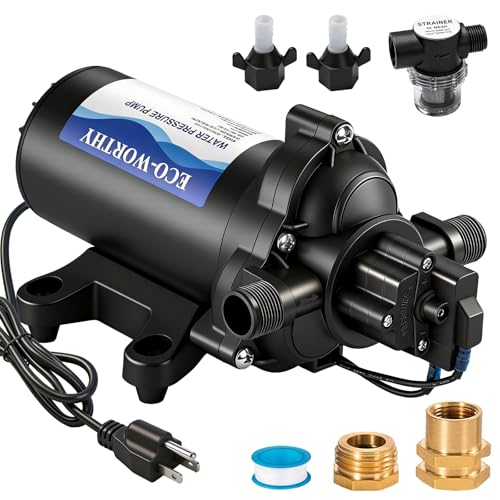
ECO-WORTHY 33-Series 110V Diaphragm Water Pump 4.0GPM 50PSI
ECO-WORTHY
Mid-Range
Water Pressure Diaphragm Pump 110V 4.0 GPM 45 PSI (3 Chamber)
Heuyrao
Mid-Range
Water Pressure Diaphragm Pump 110V 5.5 GPM 70 PSI
Heuyrao
Mid-Range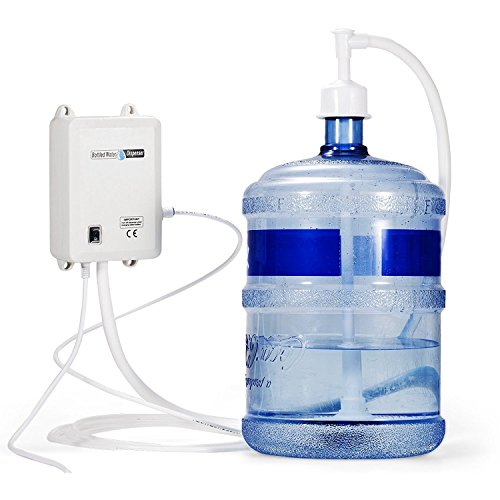
VEVOR bottled water dispenser pump system (5-gallon)
VEVOR
Mid-Range
SEAFLO 33 Series 115V Water Pump, 3.3 GPM, 45 PSI
SEAFLO
Mid-Range
Bottled water dispensing pump system for 5 gallon bottles
TDRRICH
Mid-Range
T33 On-Demand Diaphragm Pump 115VAC, 4.0GPM, 45PSI
KENCIT
Mid-Range
Water pressure diaphragm pump 110V 7.0 GPM 70 PSI
Heuyrao
Mid-Range
12V Portable Transfer Pump 330GPH 1/10HP with 2x6 Hose Kit
FIDISP
Mid-Range
YOUNGTREE 110V Water Pressure Diaphragm Pump 4.0 GPM 50 PSI
YoungTree
Mid-Range
Hot Water Recirculating Pump with 3/4 in NPT adapter
ZeroPone
Mid-Range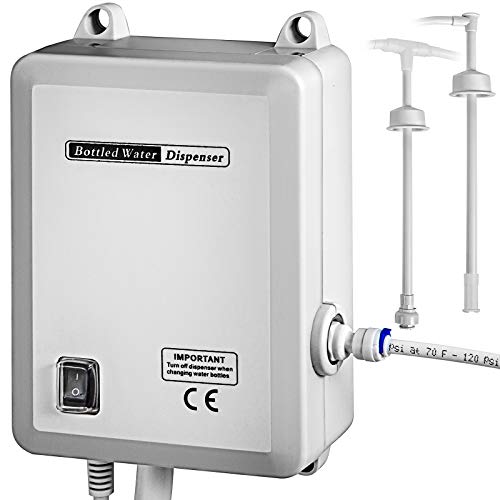
VEVOR 2x5 Gallon Bottled Water Dispenser Pump System
VEVOR
Mid-Range
Water Pressure Diaphragm Pump 110V 5.5GPM 70PSI
YoungTree
Mid-Range
Water Transfer Pump 115V 1/10 HP with 2 x 6 ft Hoses
FIDISP
Mid-Range
Water Circulator Pump 120W 110V with Stainless Head
ZeroPone
Mid-Range
TDRFORCE 12V DC RV Fresh Water Pump 4 GPM
TDR FORCE
Mid-Range
Water Transfer Pump 115V 1/10HP with 6ft hoses
FIDISP
Mid-Range
Bottled water dispensing pump system for 5 gal bottle
TDRRICH
Mid-Range
Water Pressure Booster Pump for RV 12V 4GPM 45PSI
TDRRICH
Mid-Range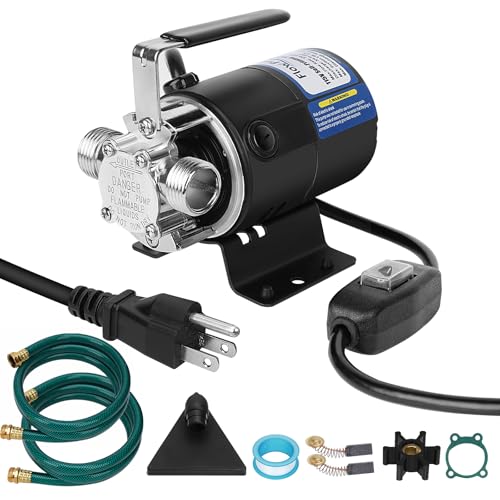
Water Transfer Pump 110V with Switch, 1/10 HP 330 GPH
FLOWPAC
Mid-Range
TDRFORCE Fresh Water Booster Pump 5.5 GPM 75 PSI 110V
TDR FORCE
Mid-Range
Bottled water pump system double-tube 60psi 2L for 5-gallon
TDRRICH
Mid-Range
Water Pressure Booster Pump for RV and Home
TDRRICH
Mid-Range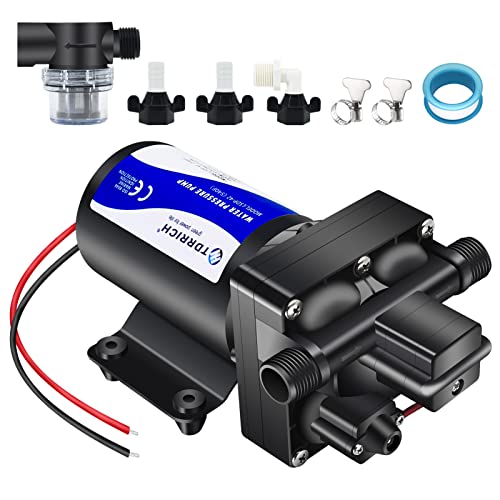
12v Diaphragm Water Pump for RV/Boat, 70 PSI, on-demand
TDRRICH
Mid-RangeRoundups
Frequently Asked Questions
How do I choose the right type of power water pump for my task?
Select by application: submersible pumps for draining pits or wells, centrifugal or transfer pumps for moving water between containers or irrigation, and high-pressure pumps for cleaning or pressure-fed systems. Match pump head (maximum lift) and flow rate (GPM) to your needs and ensure compatibility with the liquid type (clean water vs. debris-laden or chemically aggressive fluids)
What specifications should I check to ensure adequate flow and pressure?
Compare rated flow (gallons per minute or liters per minute) and maximum head (feet or meters) to your required delivery distance and lift; also review outlet size and power source (electric voltage or engine horsepower) because these affect achievable flow under load. Use a pump curve from the manufacturer when available to match operating point
What power source and motor features matter when buying a pump?
Decide between electric (corded or battery) and engine-driven models based on jobsite power availability and portability needs; check motor voltage, phase (single vs three-phase), enclosure rating (IP for water resistance), and thermal overload protection for motor longevity. Higher-efficiency motors and brushless designs often run cooler and last longer
What safety and compatibility features should I look for?
Look for thermal and dry-run protection, automatic shutoff or float-switch compatibility for submersible units, appropriate seals and gasket materials for the fluid handled, and corrosion-resistant housings for outdoor or salty environments. Confirm inlet/outlet thread or flange sizes to match hoses and fittings
How should I maintain a power water pump to maximize its lifespan?
Regularly clean strainers and impellers, check seals and gaskets for wear, change or service oil on engine-driven pumps per manufacturer intervals, and store the pump dry and frost-free; run the pump briefly after long storage to confirm operation. Follow any recommended lubrication and inspection schedule in the product manual
What should I expect for budget and performance trade-offs?
Lower-cost pumps typically offer lower flow, shorter duty cycles, and simpler materials, while mid- to higher-priced units use more robust motors, better seals, and higher-quality impellers for continuous or heavy-duty use; expect average prices in the general consumer/industrial crossover to cluster around mid-range values
How do I size hoses and fittings for optimal performance?
Use hose diameter that matches the pump outlet to minimize friction losses—stepping down diameter reduces flow and increases head loss; choose hose lengths as short as practical and avoid sharp bends. Verify thread type (NPT, BSP) and use proper adapters or couplings to prevent leaks