Pry Bars
Pry Bars in Tools & Industrial covers hand pry and demolition bars used for prying, pulling nails, and light demolition, with lengths and tip styles for varied tasks. The 37 indexed products average a 4.73 rating and span mid-range pricing (about $33–$116), with brands like Mayhew and TEKTON represented
Top Products

Titan 4-piece stainless steel pry bar set
Star Asia Usa
Mid-Range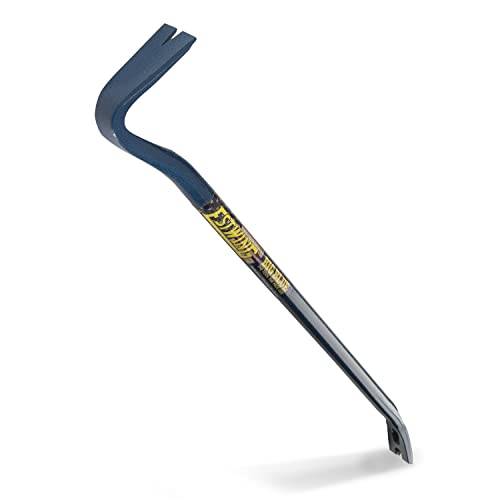
ESTWING Gooseneck Wrecking Bar PRO 36" Pry Bar
Estwing
Budget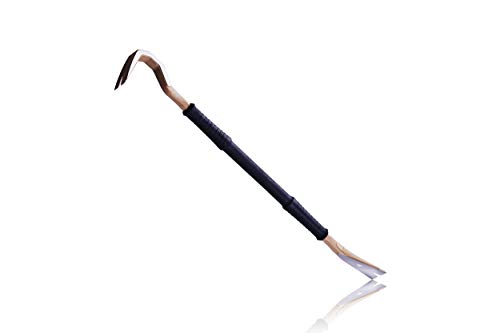
Spec Ops Tools 30" Wrecking Crowbar Pry Bar
Spec Ops Tools
Budget
TEKTON Angled End Handled Pry Bar Set (3-pc) 12, 17, 25 in
TEKTON
Mid-Range
Mayhew 60147 24-S Dominator Pry Bar, 31-in Straight
Mayhew Tools
Mid-Range
OX Tools Unique Hammer Head 12" Pry Bar with Cat's Paw
OX
Budget
TEKTON 36 Inch Angled End Pry Bar
TEKTON
Budget
Edward Tools Gooseneck Wrecking Bar - Extra strength pry bar
Edward Tools
Budget
TEKTON Pointed Pick and Hook Set (10-Piece) PNH90103
TEKTON
Budget
Estwing Gooseneck Wrecking Bar PRO - 24" Pry Bar
Estwing
Mid-Range
TEKTON Mini Pry Bar Set (6-Piece) | Made in USA
TEKTON
Budget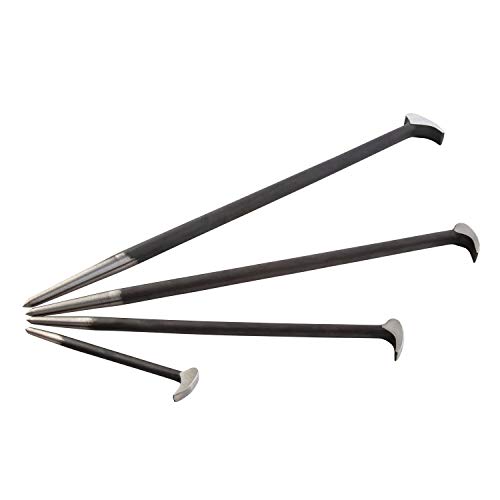
Sunex rolling-head pry bar set, 4-piece (6–20 in)
Sunex International
Mid-Range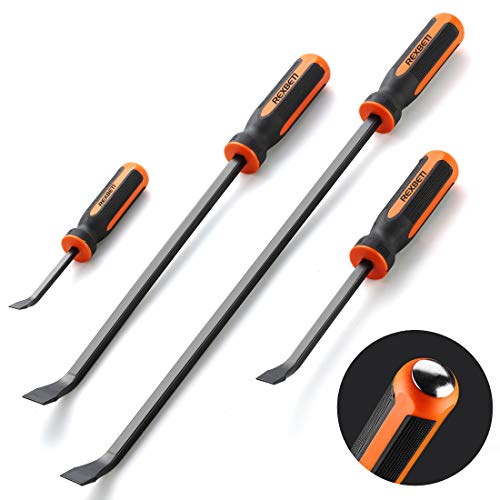
REXBETI Pry Bar Set - Heavy Duty 4-Piece
REXBETI
Budget
Spec Ops Tools 10/15/30 in Nail Puller & Pry Bar Set
Spec Op Tools
Mid-Range
GEARWRENCH 33" Extendable Indexing Pry Bar
GEARWRENCH
Mid-Range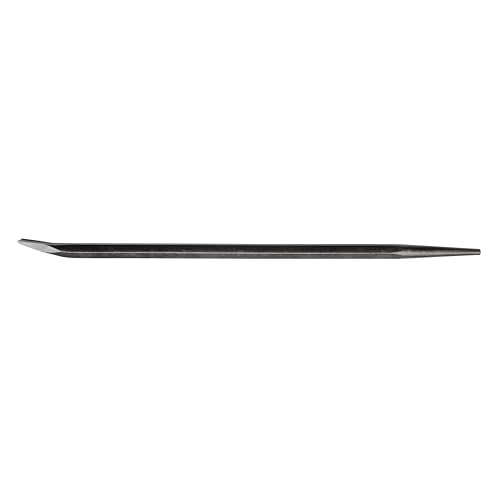
Pinch bars, 24 in. L by Mayhew
Mayhew
Budget
Mayhew Dominator Pry Bar Set, 3-Piece Curved
Mayhew
Mid-Range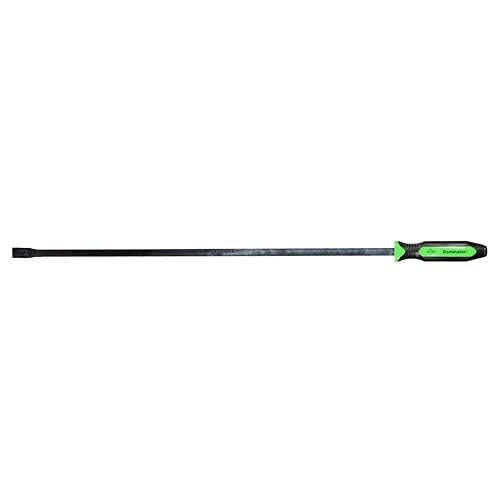
Dominator Pro Curved Pry Bar, 36", green
Mayhew Tools
Mid-Range
GEARWRENCH 2-pc indexing Pry Bar Set (8" & 16")
GEARWRENCH
Mid-Range
Olympia Tools 36" Wrecking Bar with Beveled Chisel End
Olympia Tools
Mid-Range
EDC Pry Bar Multitool with Bi-Directional Ratchet Screwdriver
GIRIAITUS
Budget
Edward Tools Gooseneck Wrecking Bar - 48 Inch
Edward Tools
Mid-Range
TOOLEAGUE Utility 4Pcs Pry Bar Set, 8, 12, 18, 24 in
TOOLEAGUE
Budget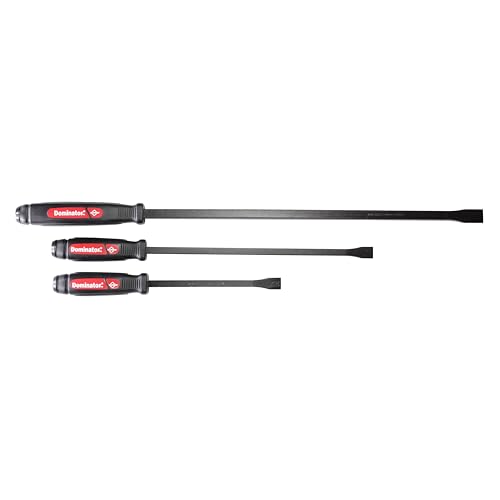
Dominator Pry Bar Set, 3-Piece (Straight blades) by Mayhew
Mayhew
Mid-RangeRoundups
Frequently Asked Questions
What types of pry bars are available and how do I choose the right one for my task?
Common types include flat pry bars (trim and nail pullers), curved or gooseneck pry bars for leverage, and crowbars for heavy demolition; choose based on access space, required leverage, and tip shape — use slimmer, angled tips for trim work and thicker, straight bars for prying nails or heavier materials
What materials and construction should I look for to ensure durability?
Look for pry bars made from heat-treated alloy steel or chrome-vanadium with a forged construction and a hardened, tempered tip; these features resist bending and chipping and are typical of longer-lasting professional-grade tools
How do I pick the right size and leverage for different jobs?
Short bars (6–12 inches) offer control in tight spaces and trim work, medium bars (12–18 inches) balance reach and leverage for general tasks, and long bars (18+ inches) provide maximum leverage for heavy-duty prying or demolition
Are pry bars comfortable and safe to use for extended work?
Consider bars with ergonomic, non-slip handles or vinyl grips to reduce hand fatigue and slipping; ensure the handle and shaft are securely joined and avoid using damaged bars to reduce the risk of sudden failure
How should I maintain and store pry bars to extend their life?
Keep bars clean and dry, remove rust with a wire brush or rust remover, apply a light oil to prevent corrosion, and store them in a toolbox or rack to avoid damage to tips and edges
What safety precautions should I take when using a pry bar?
Wear eye protection and gloves, position your body to avoid pinch points, use controlled, steady force rather than sudden jerks, and ensure the workpiece is supported to prevent slips or projectiles