Rare Earth Magnets
This category covers rare-earth neodymium magnets and related industrial tools such as mounting plates, magnet sets, and pull testers commonly used in workshops, crafts, and manufacturing. Listings span budget to mid-range options (average ~(price varies)) with brands like DIYMAG among the top sellers and an average rating of 4.46 across 63 products
Top Products

LOVIMAG 36Pcs Neodymium Cup Magnets, 20lbs 0.63x0.19in
LOVIMAG
Budget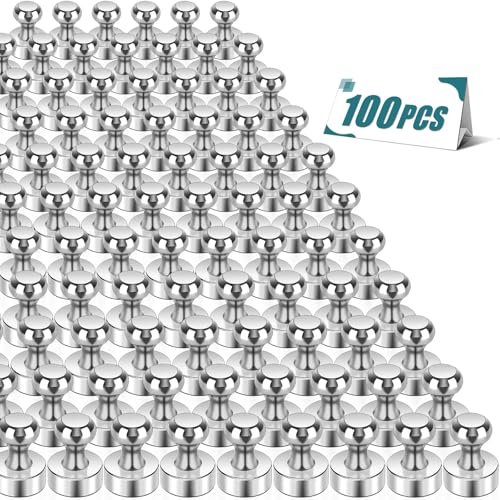
Neodymium fridge magnets, 100-pack small strong magnets
MAGXCENE
Budget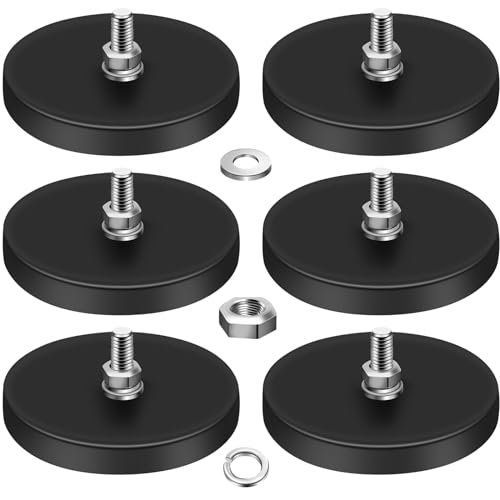
DIYMAG 6Pcs Rubber Coated Magnets with M6 Threaded Studs
DIYMAG
Budget
MIN CI 200 Pcs Neodymium Magnets 10x3 mm, round heavy-duty
MIN CI
Mid-Range
DIYMAG 1500 LBS Neodymium Fishing Magnet 4.72 inch with Countersunk Hole
DIYMAG
Mid-Range
DIYMAG 24P Black Neodymium Pot Magnets with Countersunk Holes
DIYMAG
Budget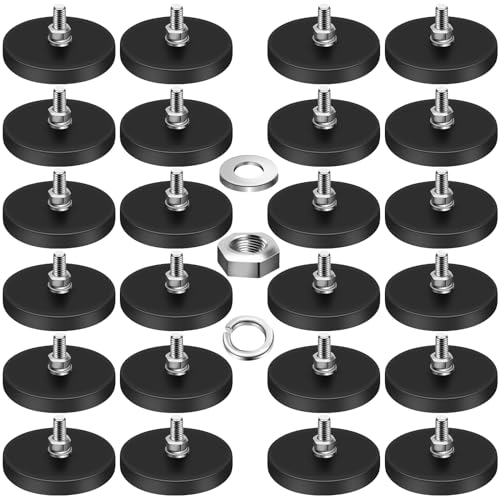
Rubber Coated Magnets with M5 Base (24-Pack) 30LBS
BEST CHOICE MAGNETS
Budget
MIN CI 60 Pcs Neodymium Magnets 18x3 mm
MIN CI
Mid-Range
32Pcs Neodymium Magnets with Holes, 20mm Cup Magnets
Keukenket
Budget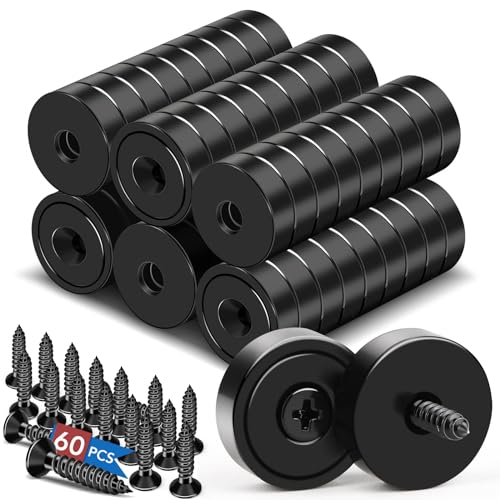
Neodymium magnets with screws, 20 lb holding power, 60 pcs
LOVIMAG
Mid-Range
MUTUACTOR 1/4-20 Magnets (4pcs) Rubber-Coated, 60 lb Pull
MUTUACTOR
Budget
Glassboard Studio pawn-shaped neodymium magnets
Glassboard Studio
Budget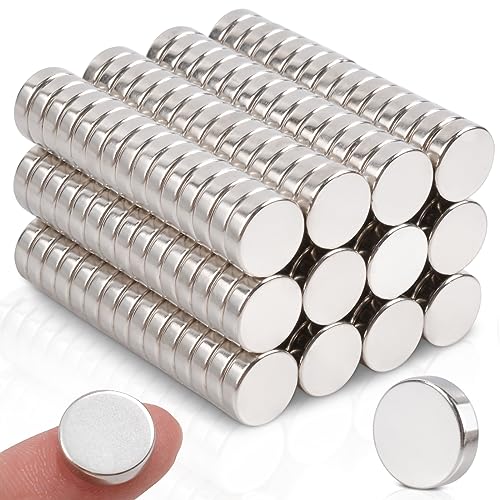
180 pcs Neodymium Disc Magnets 0.4x0.12 inch for crafts
MAGXCENE
Budget
Neodymium round magnet with M8 bolt hardware, 44mm dia, 200 lb
BEST CHOICE MAGNETS
Budget
Glassboard Studio Pawn-Shaped Neodymium Magnets (8, Black)
Glassboard Studio
Budget
3.54in Fishing Magnet Kit with Case and Accessories
Grtard
Budget
FINDMAG 50pc Neodymium Magnets Bar 60x10x3mm
FINDMAG
Budget
Grtard magnet fishing kit with case and rope (3.55 in)
Grtard
Mid-Range
Hole Plug Magnet XL with Pivoting V-Pad Base
Strong Hand Tools
Budget
DIYMAG Rubber Coated Magnets with M6 Studs, 12 Pack
DIYMAG
Mid-Range
Grtard magnet fishing kit with case and rope (2.95 inch)
Grtard
Budget
Flutesan Neodymium Magnet Rubber Coated Mounting (32 Pack) M6 Threaded
Flutesan
Mid-Range
Magnet fishing kit with case and rope, 4.72in fishing magnet
Grtard
Mid-Range
DIYMAG 6Pcs Rubber Coated Magnets with M8 Threaded Studs
DIYMAG
Mid-RangeRoundups
Frequently Asked Questions
How do I choose the right grade and size of rare earth magnet for my project?
Select the grade (e.g., N35–N52) based on required magnetic strength — higher numbers mean stronger magnets; then choose shape and dimensions to fit mounting space and hold/load requirements, checking pull force or flux density specifications for compatibility
What safety precautions should I take when handling rare earth magnets?
Keep magnets away from electronics, credit cards, and magnetic storage; wear gloves and eye protection to prevent pinching or chipping; handle strong magnets one at a time and store with spacers or in separate compartments to avoid sudden attraction
How do coatings and finishes affect performance and durability?
Common coatings (nickel, zinc, epoxy) provide corrosion resistance and surface protection; some coatings slightly increase thickness and may reduce magnetic contact, so choose a coating appropriate for the environment (e.g., epoxy for humid conditions)
What mounting and fastening options are recommended for rare earth magnets?
Use countersunk or through-hole magnets for screw mounting, threaded housings for replaceable inserts, or adhesive bonding with epoxy for low-load applications; ensure the mounting material and hardware are rated for the magnet's pull force to prevent failure
How should I store rare earth magnets to maintain performance?
Store magnets separated by non-magnetic spacers or in wooden/plastic boxes to prevent collision and chipping, keep them dry and away from extreme heat, and avoid stacking high-strength magnets directly together without demagnetizing spacers
What factors affect the usable pull force of a magnet in real applications?
Surface contact area, gap distance, mating material (mild steel increases force), orientation, temperature, and coatings all reduce measured pull force compared with lab values; expect real-world holding power to be lower than idealized specifications
What price ranges and value considerations should I expect for rare earth magnet purchases?
Prices vary by grade, size, and coating; small hobby magnets start at low prices while larger high-grade or coated industrial magnets commonly range from tens to hundreds of dollars, so compare grade, pull force, and corrosion protection to assess value