Ratchet Puller Hoists
Ratchet puller hoists are manual lifting and tensioning tools used for pulling, lifting, and securing loads in construction, utilities, and rigging. This category (15 products, avg rating 4.57) spans budget through premium options, with brands like TOYO and VEVOR represented
Top Products

Come Along Winch 3-Ton with Dual Gears
Ridgerock Tools, Inc.
Mid-Range
Come Along Winch 4-Ton with 9.8ft Cable, 3 Hook
Ridgerock Tools, Inc.
Mid-Range
VEVOR 5 Ton Come Along Winch with 11.5 ft Cable
VEVOR
Mid-Range
Manual lever chain hoist 1/2 ton with G80 chain
Toriexon
Mid-Range
550LBS Manual Lever Chain Hoist 1/4 Ton Portable Come Along
Toriexon
Mid-Range
TOYO Lever Chain Hoist 1750Lbs 10ft
TOYO
Mid-Range
TOYO 3500LB Lever Chain Hoist, 10ft with G80 chain
TOYO
Mid-Range
VEVOR Rope Puller 3/4 Ton with 100 ft Rope
VEVOR
Mid-Range
Lever Chain Hoist 1-1/2 Ton, 10 ft – G80 Chain, 360° Hook
KITUYOTO
Mid-Range
TOYO 3500Lbs Lever Chain Hoist 20ft with G80 Chain
TOYO
Premium
Come Along 2 Ton Winch Puller, 2 Pack, 7ft
FITHOIST
Mid-Range
Chain hoist 1-1/2 ton with web sling manual lever
KITUYOTO
Mid-Range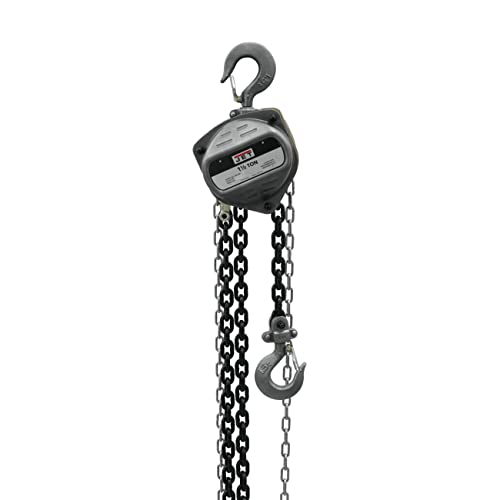
JET 1-1/2 Ton Hand Chain Hoist, 30' Lift (Model S90-150-30)
WMH TOOL GROUP INC -- DROPSHIP
Premium
JET 5-Ton Hand Chain Hoist (Model S90-500-15)
WMH TOOL GROUP INC -- DROPSHIP
Premium
Jet 10-Ton Hand Chain Hoist, 20' Lift (Model S90-1000-20)
WMH TOOL GROUP INC -- DROPSHIP
PremiumRoundups
Frequently Asked Questions
What is a ratchet puller hoist and what tasks is it used for?
A ratchet puller hoist (also called a cable or wire puller) is a manual winch that uses a ratcheting handle to tension and move loads via a steel cable or synthetic rope; common uses include tensioning cable, lifting or pulling machinery, vehicle recovery, and positioning materials on job sites
How do I choose the right capacity and cable length?
Select a hoist with a working load limit (WLL) comfortably above the heaviest load you’ll handle and check rated pull force at different line configurations; longer cable gives greater reach but may reduce mechanical advantage, so match length to job distance and ensure the cable material and diameter suit the load
What safety features and certifications should I look for?
Look for clear WLL markings, built-in overload protection or rated limiters where applicable, durable hooks with safety latches, heat-treated gears, and compliance labels or standards such as ASME/ANSI or EN where provided by the manufacturer; inspect for corrosion-resistant finishes for outdoor use
How should I maintain a ratchet puller hoist to ensure long life?
Keep cables and hooks clean and lubricated per manufacturer guidance, inspect the cable for frays and replace if damaged, check the ratchet mechanism and pawls for wear, store the tool dry and off the ground, and perform load-test checks periodically before critical lifts
Are there differences between brands or construction types I should consider?
Yes—brands vary in materials (steel vs. zinc-plated or powder-coated finishes), gear quality, handle ergonomics, and whether they use steel cable or synthetic rope; choose based on intended frequency of use, environmental exposure, and whether corrosion resistance or lighter weight is a priority
What accessories or additional equipment might I need?
Common accessories include snatch blocks or pulleys to change line direction and increase mechanical advantage, tree or anchor straps to protect attachment points, shackles sized to the hoist WLL, and appropriate personal protective equipment like gloves and eye protection
How much should I expect to spend on a reliable ratchet puller hoist?
Prices vary by capacity and build quality; budget models can be found for lower capacities while mid-to-high-capacity, professional-grade units fall into higher ranges—the average price across similar tools is in the low-to-mid hundreds of dollars