Raw Lumber
Raw lumber listings for woodworking and construction projects, including hardwood and specialty boards, beams, and slabs in mid-range sizes and grades. Thirteen products average a 4.56 rating, with prices typically $33–$66 and brands like Woodchucks Wood represented
Top Products

Wall Control Orange Metal Pegboard Pack
Wall Control
Mid-Range
Wall Control Red Metal Pegboard Pack
Wall Control
Mid-Range
Wood 3/4 in x 2 in x 16 in White Oak Hardwood Lumber (10 Pack)
Woodchucks Wood
Budget
Wood maple lumber boards 16" x 2" x 3/4" solid hardwood (10 pack)
Woodchucks Wood
Budget
Wood 3/4 x 2 x 16 Purpleheart Lumber Boards (6 pack)
Woodchucks Wood
Budget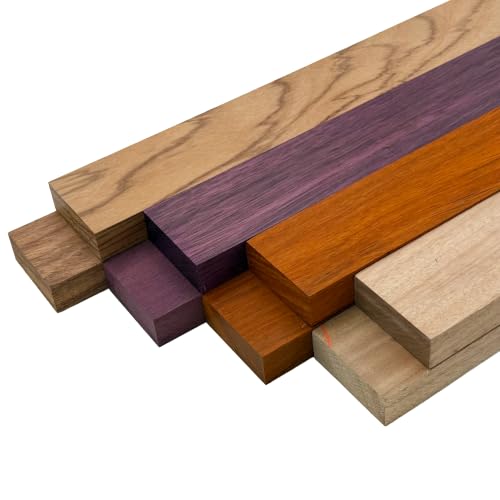
Barrington Hardwoods exotic hardwood variety pack (3/4" x 2" 8 pcs)
Barrington Hardwoods
Budget
Wood walnut lumber 3/4 x 2 x 16 in — 10 pack
Woodchucks Wood
Budget
Wood 3/4 in x 2 in x 16 in Red Oak Lumber (10 Pack)
Woodchucks Wood
Mid-Range
WoodWhite Oak boards, Quarter Sawn, 10 pcs (3/4" x 2" x 16")
Woodchucks Wood
Mid-Range
Wood 3/4 x 2 x 16 in Black Ash Lumber Board Pack
Woodchucks Wood
Mid-Range
Purpleheart hardwood lumber 16" x 2" x 3/4" (10 pack)
Woodchucks Wood
Mid-Range
Exotic Wood Zone 15-pc Walnut Maple Cherry Hardwood Board Set
Exotic Wood Zone
Mid-Range
Barrington Hardwoods Black Walnut Lumber Turning Squares – 2x2 (4 Pcs) 24"
Barrington Hardwoods
Mid-RangeRoundups
Frequently Asked Questions
How do I choose the right species and grade of raw lumber for my project?
Select a species based on appearance, hardness, and stability (e.g., hardwoods for furniture, softwoods for framing), then choose a grade that matches the visible defects tolerance: higher grades have fewer knots and defects for fine finish work, while lower grades are acceptable for structural or rustic uses
What sizes and forms of raw lumber are commonly available and how do I match them to my needs?
Lumber is sold as boards, planks, dimensional lumber, and slabs with typical thicknesses and widths; measure your project, account for saw and planing loss, and choose stock slightly larger than final dimensions so you can mill to exact size
How should I account for moisture content and acclimation before using raw lumber?
Check moisture content with a meter or ask for kiln-dried vs. green stock; kiln-dried lumber (typically 6–12% MC for indoor use) should be acclimated to your shop for several days to weeks to reduce movement and avoid warping or joint gaps after installation
What are typical price ranges and cost factors for raw lumber?
Prices vary by species, grade, and form; budget options can be under $50 per board for common softwoods, while exotic or high-grade hardwoods rise substantially; expect higher costs for wider, thicker, and premium-grade pieces
How do I store and protect raw lumber on-site to prevent damage?
Store lumber flat on a level, supported surface with stickers between layers to allow air circulation, keep it off the ground and covered from direct weather, and maintain a stable indoor humidity to minimize cupping, warping, and mold
What finishing and machining considerations should I plan for with different species?
Hardwoods and oily exotics may require different cutters, slower feed rates, and specific finishes; test-planing, sanding, and finishing on a scrap piece to check tearout, stain response, and glue compatibility helps avoid surprises
How do I evaluate sustainability and sourcing when buying raw lumber?
Look for species listed by credible sustainability programs or ask for documentation of legal harvest and chain-of-custody; reclaimed and domestically sourced woods generally have lower transport impact, while certified options indicate managed harvesting practices