Rebar Cutters & Benders
Rebar cutters and benders for construction and metalworking, including manual and power tools for cutting, bending, and shaping reinforcing steel. The category spans budget to mid-range options (about $34–$470, avg $89) with brands like VEVOR and Bosch represented
Top Products

Klein Tools 50400 Cable Bender, 12-Inch
KLEIN TOOLS
Budget
Klein Tools 50402 Cable Bender, 14-Inch, USA
KLEIN TOOLS
Budget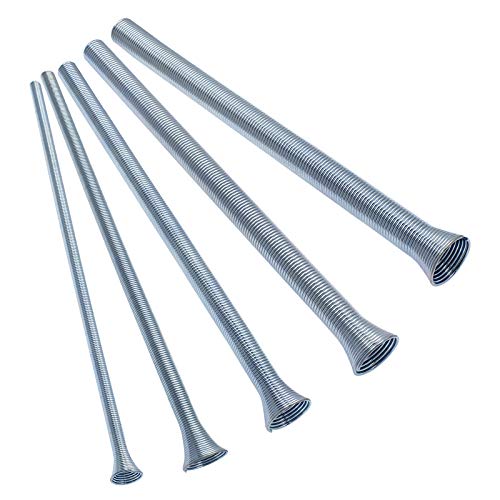
Spring Tube Bender Set, 10-pack in 1/4" to 3/4" sizes
PHITUODA
Budget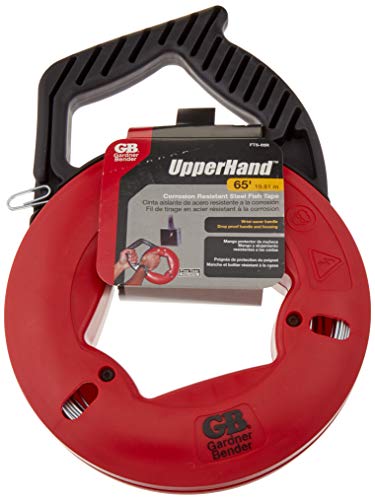
Gardner Bender FTS-50B fish tape, steel, 50 in
GB Electrical
Mid-Range
Ideal conduit bender for 3/4 EMT and 1/2 rigid
Ideal
Mid-Range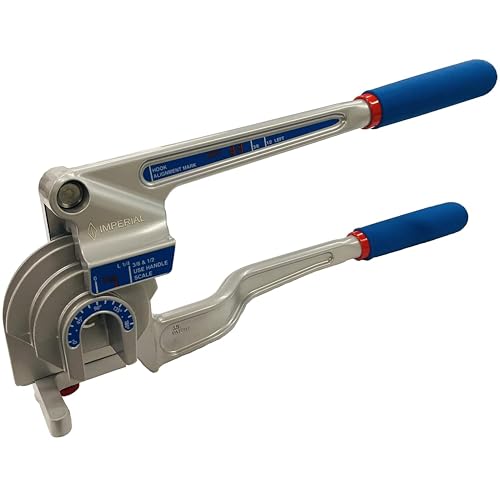
Imperial Tools Triple Head Tube Bender (3/16, 1/4, 3/8, 1/2) 180°
Imperial Tools
Mid-Range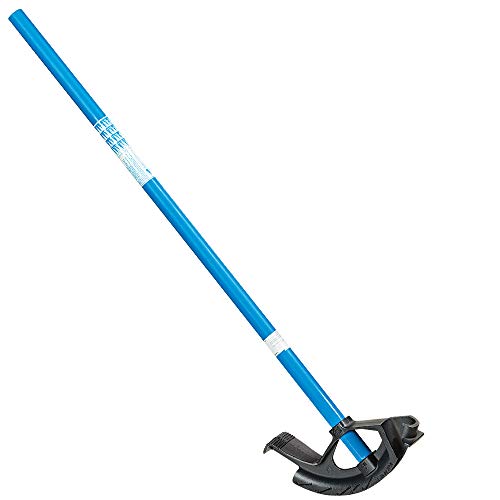
IDEAL ductile iron conduit bender with handle for 1 in. EMT pipes
Ideal Industrial
Mid-Range
VEVOR Copper Pipe Bender 1/4-7/8 in, 90° forward/reverse, 7 dies
VEVOR
Mid-Range
Aluminum Pipe Tube Bender Set with 7 Heads, 1/4–7/8 in
CARVALAX
Mid-Range
VEVOR Pipe Tube Bender 1/4"-7/8" OD with 7 Dies
VEVOR
Mid-Range
90 ratcheting pipe tube bender set with 7 color heads (1/4"–7/8" O.D.)
CARVALAX
Mid-Range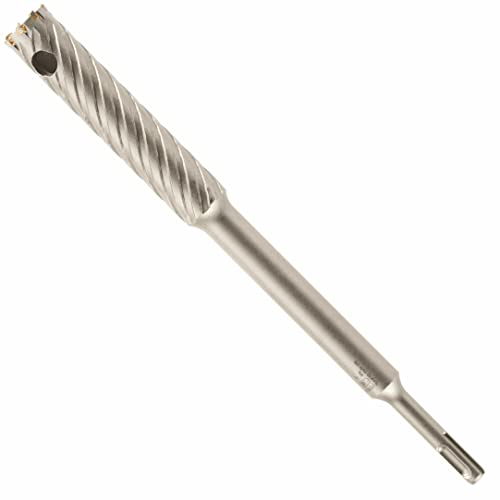
Bosch 1/2 in. SDS-plus Rebar Cutter
BOSCH
Mid-Range
Aluminum Pipe Tube Bender Kit with 7 Heads, 1/4" to 7/8" O.D
CARVALAX
Mid-Range
Bosch SDS-plus Rebar Cutter 1-1/8 in x 12 in
BOSCH
Mid-Range
Pipe Tube Bender Set with 7 Color Heads for 1/4–7/8 OD
CARVALAX
Mid-Range
90 ratcheting tube bender kit with 7 heads
CARVALAX
Mid-Range
BOSCH 1-1/2 in x 12 in SDS-plus Rebar Cutter
Bosch
Mid-Range
Sheet metal folding hemming tool 11.25 in
Yaocom
Mid-Range
DURATECH Tube Bender Set with Cutter & Deburring Tool
LONGYOU YIYANG IMPORT AND EXPORT CO.,LTD
Premium
Bosch SDS-plus Rebar Cutter 7/8 in x 12 in
Bosch
Mid-Range
15.25 Inch Sheet Metal Folding Tool for HVAC Duct/Forming
Yaocom
Mid-Range
VEVOR 36-Inch Box & Pan Brake for sheet metal
VEVOR
Mid-Range
VEVOR 30 in Sheet Metal Brake for 18-gauge metal
VEVOR
Mid-Range
VEVOR Pipe Tube Bender with 7 dies, 3/8"-1" manual
VEVOR
PremiumRoundups
Frequently Asked Questions
How do I choose between a rebar cutter and a rebar bender?
Choose a cutter when you need clean, straight cuts of reinforced bars; choose a bender when you need to form hooks, stirrups, or precise angles. Many job sites use both: cutters for sizing and benders for shaping and tying rebar to structural plans
What power options are available and how do they affect performance?
Rebar tools come as manual, electric (corded), battery-powered, and hydraulic. Manual is and fine for occasional light work; electric and battery provide faster, more consistent cuts/bends for moderate use; hydraulic systems deliver the highest force for thick rebar and heavy production
What rebar sizes and grades should I check before buying a cutter or bender?
Verify the tool’s rated capacity in millimeters or rebar gauge (commonly up to #3–#8, i.e., about 10–25 mm for many consumer/prosumer tools). Also confirm compatibility with the steel grade you use (most tools handle standard carbon rebar used in construction)
How much should I expect to spend for reliable rebar cutters and benders?
Prices vary by type and capacity: basic manual tools can be under $50, midrange electric or cordless options are commonly in the $100–$400 range, and industrial hydraulic or high-capacity machines can cost significantly more; average price across many listings is around $80
What safety features and PPE should I look for when using these tools?
Look for features like blade guards, two-handed switches, overload protection, and secure mounting or stable bases. Always wear eye protection, gloves, hearing protection for powered tools, and follow lockout procedures for maintenance
How do I maintain a rebar cutter or bender to extend its service life?
Keep cutting surfaces and bending shoes clean and free of rust, lubricate moving parts per manufacturer guidance, inspect for worn blades or dies and replace them as needed, and store the tool dry to prevent corrosion
Are there portability considerations for job-site use?
Consider weight, handle or wheel options, battery runtime for cordless models, and whether the unit can be easily mounted or transported in a vehicle; lighter manual or battery units are most portable, while hydraulic bench units are heavier but more productive