Rebar
This category covers rebar and related reinforcing steel tools and accessories used for concrete construction, including straight lengths, cut-to-size rods, and tying tools. Products skew toward mid-range prices (about $39–$96, average ~(price varies)) with top-indexed brands such as AAGUT
Top Products

AAGUT Rebar Stakes 24" x 1/2" (10 pcs)
AAGUT
Budget
AAGUT 16-Inch Rebar Stakes with 3/8 in J Hook, 16 Pack
AAGUT
Mid-Range
AAGUT Rebar Stakes 32 Pack 12" Ground Anchors
AAGUT
Mid-Range
AAGUT 24 in. Rebar Ground Stakes – 10pcs, J Hook Fence Anchors
AAGUT
Mid-Range
AAGUT 16 inch Rebar Stakes, 24 Pack with 3/8 in Diameter Hooks
AAGUT
Mid-Range
AAGUT Rebar Stakes 16 Inch 16 Pack – 1/2" Heavy Duty Ground Spikes
AAGUT
Mid-Range
AAGUT Rebar Stakes 16 inch Heavy Duty Ground Anchors
AAGUT
Mid-Range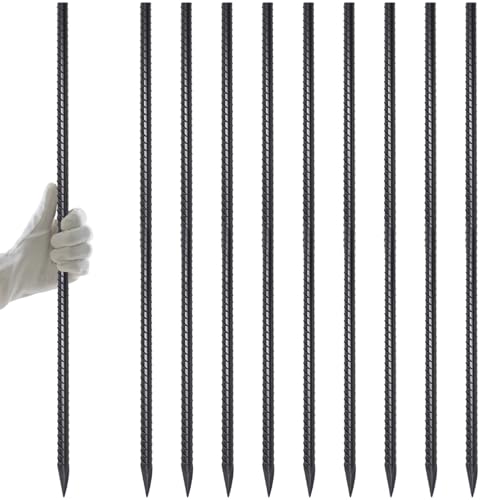
40in rebar stakes 1/2in (10 pcs) malleable steel ground spikes
AAGUT
Mid-Range
12 inch rebar stakes J hook ground stakes 32-pack
Besitu
Mid-Range
AAGUT 36-Inch Steel Rebar J Hook Ground Stakes, 10 Pack
AAGUT
Mid-Range
16 in J-hook rebar stakes (24-pack) for fences
Besitu
Mid-Range
12 Inch Ground Stakes J Hook 30-Pack
Besitu
Mid-Range
AAGUT Rebar Stakes 24 Inch Ground Anchor Stakes (20 pcs)
AAGUT
Mid-Range
12 in Fence Stakes 50-pack J Hook Ground Stakes
Besitu
Mid-Range
24 in straight rebar stakes (20-pack) 1/2" dia
Besitu
Mid-Range
16 Inch Rebar Stakes (20 Pack) 1/2 In Diam Galvanized Steel Ground Anchors
Besitu
Mid-Range
12 Inch Ground Stakes J Hook 60-Pack
Besitu
Mid-Range
AAGUT 40" Rebar Stakes 20 pcs, 1/2" Heavy Duty Ground Anchors
AAGUT
Mid-RangeRoundups
Frequently Asked Questions
How do I choose the right type and size of rebar for my project?
Select rebar by grade (tensile strength), diameter (commonly #3–#8 or 3/8"–1"), and length based on structural requirements and local building codes; consult project plans or an engineer for required grades and spacing
What are the typical price ranges for rebar and related tools?
Raw rebar rods and cut-to-length bars vary widely by size and quantity, while hand tools and cutters commonly used with rebar are often available in budget options under $50 and mid-range tools around $50–$200; larger industrial equipment costs more
What measurements and specs should I check before buying rebar or rebar tools?
For rebar: verify diameter, grade (e.g., ASTM standards), length, and surface (deformed vs. smooth); for tools: confirm capacity (maximum rebar diameter), power source (manual, electric, hydraulic), and compatibility with the rebar sizes you will use
How do I store and care for rebar to prevent rust and damage?
Store rebar off the ground on supports, keep it dry and covered to limit corrosion, separate different grades to avoid confusion, and inspect for significant rust or deformation before use; light surface rust typically does not affect performance for most concrete work
Can I cut and bend rebar on-site, and what tools are needed?
Yes—small jobs commonly use manual rebar cutters, bolt cutters, or portable electric/hydraulic rebar cutters and benders sized for the bar diameter; ensure tools match the maximum diameter you need to work with and follow safety guidelines
What safety equipment should I use when handling and working with rebar?
Use cut-resistant gloves, safety glasses, steel-toe boots, and long sleeves; when cutting or grinding, add hearing protection and a face shield, and secure bars to prevent shifting during cutting or bending
How do I determine required overlap (lap splice) length when splicing rebar?
Lap splice length depends on bar diameter, concrete strength, and design codes, but a common rule of thumb is 30–60 times the bar diameter; always follow local building codes or structural engineer specifications for exact lengths