Reciprocating Saw Blades
Reciprocating saw blades for demolition, metal, wood, and multi-material cutting, including bi-metal and carbide-tipped options for trade and DIY use. The category spans budget through mid-range price points (about $33–$105, average ~(price varies)) with 55 products indexed and top brands like EZARC represented
Top Products

EZARC 5-Piece Japanese Teeth Reciprocating Saw Blade Set
EZARC
Mid-Range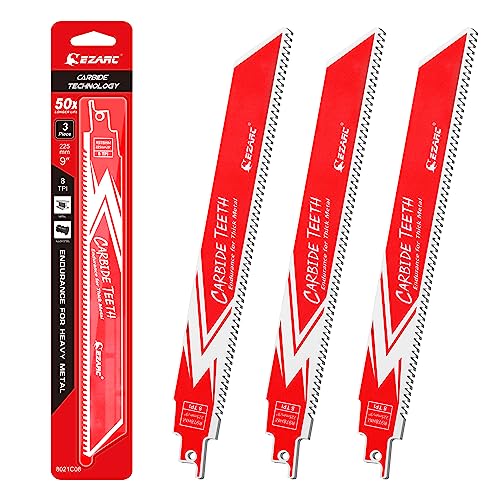
EZARC carbide reciprocating saw blade R978HM 9-inch 8TPI 3-pack
EZARC
Budget
EZARC carbide reciprocating saw blades set (3, 6, 8 TPI) for multi-material cutting
EZARC
Mid-Range
Milwaukee 12 Piece Multi Material Bi-Metal SAWZALL Blade Set
Milwaukee
Mid-Range
TOLESA 12 & 15 in Japanese Teeth Reciprocating Saw Blades (4-Pack)
TOLESA
Budget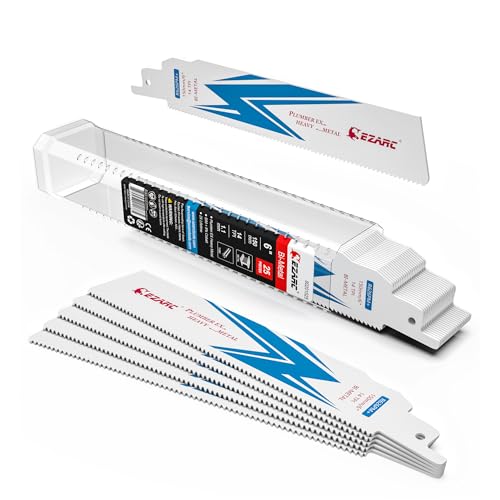
EZARC 25 Pack Bi-Metal Cobalt Reciprocating Saw Blades, 6-Inch, 14TPI
EZARC
Mid-Range
Diablo Bi-Metal Reciprocating Blades with Perma-Shield Coating
Diablo
Mid-Range
6-inch 14/18 TPI Bi-Metal Sawzall Blades with 8% Cobalt for Metal Cutting
BATHTOI
Budget
Diablo 9in Bi-Metal Reciprocating Saw Blade 25 Pack
Diablo
Mid-Range
Diablo Bi-Metal Reciprocating Saw Blade, 6", 8/14 TPI, general purpose
Diablo
Mid-Range
EZARC 25 Pack 6 inch Bi-Metal Reciprocating Saw Blades (14+18 TPI)
EZARC
Budget
Japanese teeth reciprocating saw blades, 15" 4pc curved edge wood pruning
BRSCHNITT
Budget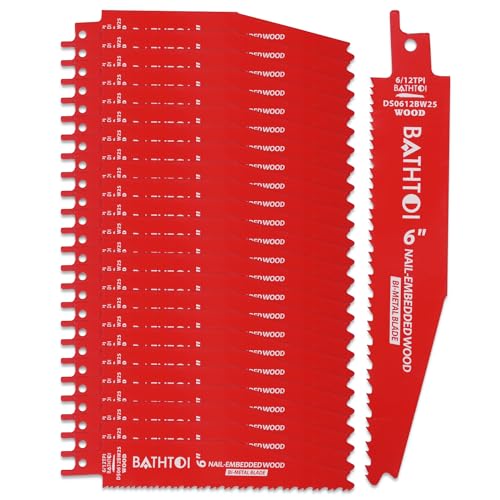
6 in. 6/12 tpi bi-metal reciprocating saw blades (25 pack) for wood & nail-embedded wood
BATHTOI
Budget
Japanese teeth reciprocating saw blades for wood pruning
BRSCHNITT
Budget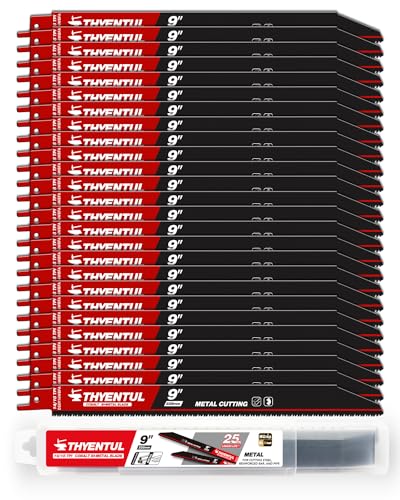
9-inch 25-pack M42 cobalt bi-metal recip blades for metal cutting
THYENTUL
Mid-Range
6in Bi-metal Reciprocating Saw Blade, 25-pack for Nail-Embedded Wood
THYENTUL
Budget
9-in bi-metal reciprocating saw blades, 25-pack for nail-embedded wood
THYENTUL
Mid-Range
9 inch bi-metal recip saw blades 25-pack for wood cutting
BATHTOI
Mid-Range
Diablo 14-Piece Bi-Metal Reciprocating Saw Blade Set
Diablo
Mid-Range
6 inch 6/12 TPI nail-embedded wood recip saw blades (25 pack) REEPLAR
REEPLAR
Budget
25-pack 6-inch 14/18 TPI cobalt bi-metal recip saw blades for metal
THYENTUL
Budget
Souyou 25-Pack 9-Inch Bi-Metal Reciprocating Saw Blades
Souyou
Budget
9 inch 14/18 tpi bi-metal saw blade with 8% cobalt for metal cutting
BATHTOI
Mid-Range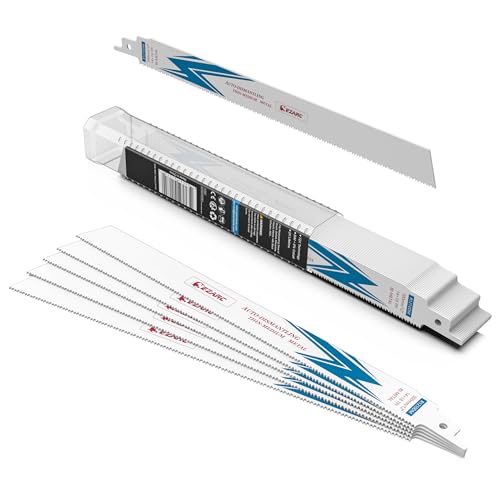
EZARC 25 Pack 12in Bi-Metal Reciprocating Saw Blades (14+18 TPI) for metal demolition
EZARC
Mid-RangeRoundups
Frequently Asked Questions
How do I choose the right reciprocating saw blade for the material I’m cutting?
Select blades by tooth count and material type: coarse teeth (low TPI) for fast cuts in wood, high TPI for smoother cuts or metal, and bi-metal or carbide-grit blades for abrasive or mixed materials; check blade length and shank type for fit and cutting depth
What blade specifications affect cutting speed, durability, and finish?
Cutting speed is influenced by tooth pitch (TPI) and tooth geometry, durability by blade material (carbon, bi-metal, carbide) and heat treatment, and finish by TPI and tooth set—higher TPI typically yields smoother finishes while lower TPI cuts faster but rougher
Can I use the same blade for demolition, pruning, and metal cutting?
No — demolition and pruning typically require aggressive, coarse-tooth wood or pruning blades, while metal cutting needs high-TPI bi-metal or carbide blades; for mixed-material jobs use specialty multi-material blades rated for wood with embedded nails or composite cutting
What shank types and lengths should I consider for compatibility and reach?
Most reciprocating saws accept universal or T-shank blades, but verify your saw’s blade-holder type; choose blade length based on required cut depth and reach—longer blades reach farther but can flex, so use stiffer blades for deep or plunge cuts
How long do blades typically last and how can I extend their life?
Blade life depends on material and usage—cutting abrasive or metallic materials wears blades faster; extend life by using the correct blade for the material, cutting at appropriate speed and pressure, avoiding overheating, and replacing blades when they become dull or damaged
Are there safety or maintenance tips specific to reciprocating saw blades?
Always secure the workpiece, wear eye and hand protection, disconnect power before changing blades, inspect blades for cracks or missing teeth before use, and store blades flat and dry to prevent corrosion and damage
What price range should I expect for quality reciprocating saw blades?
Individual blades and multi-packs span a wide range; budget packs can be found under $50 while specialty or heavy-duty blade sets are higher, with many shoppers finding mid-range multi-packs suited to general trade and homeowner needs