Rope
This Tools & Industrial rope category covers utility, lifting, and specialty ropes—nylon, polyester, and braided constructions—used for rigging, towing, and general work. Thirty-eight products average a 4.76 rating and about (price varies), with brands like Right Rope represented across budget through mid-range options
Top Products

3/16 inch Dacron Polyester Rope - 1000 ft Solid Braid
Quality Nylon Rope
Mid-Range
Field Day Tug of War Rope for Kids and Adults 100FT
X XBEN
Mid-Range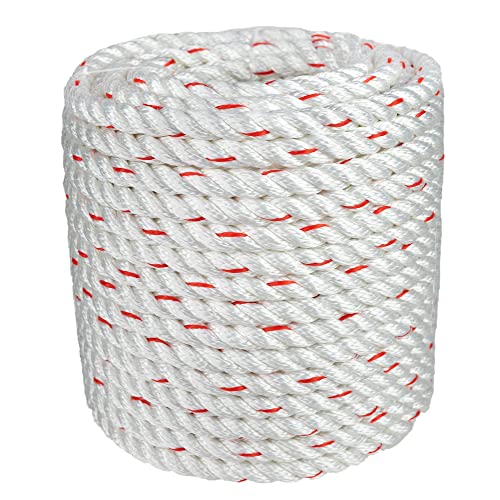
Arborist Bull Rope - 3/4 in x 100 ft, polyester core
Right Rope
Mid-Range
Arborist Bull Rope - 5/8 in x 100 ft, high strength polyester rope
Right Rope
Mid-Range
3/8" x 600' 3 Strand Yellow Polypropylene Rope (2,430 lbs Tensile) — Various Sizes
General Work Products GWP
Mid-Range
Arborist Bull Rope - 1/2 in x 120 ft polyester tree rigging line
Right Rope
Mid-Range
Arborist Bull Rope 1/2in x 200ft - High Strength Polyester
Right Rope
Mid-Range
Arborist Bull Rope 3/4in x 120ft polyester tree rigging line
Right Rope
Mid-Range
Arborist Bull Rope | 1/2 in x 100 ft polyester rope
Right Rope
Mid-Range
Arborist Bull Rope - 5/8 in x 120 ft, polyester tree rigging rope
Right Rope
Mid-Range
Arborist Bull Rope - High Strength Polyester Tree Rigging Line
Right Rope
Mid-Range
Arborist Bull Rope - 1/2" x 150 ft, polyester with high strength core
Right Rope
Mid-Range
CBKnot Samson premium rope, Amsteel blue 1/8" x 100' (Dyneema, 2300 lb)
CBKnot
Mid-Range
Weight sled rope 1.5 inch x 30ft (also 15ft, 20ft, 40ft)
Keepark
Mid-Range
Samson Amsteel Blue Rope 1/8" x 200' Dyneema fiber, 2300lb
CBKnot
Mid-Range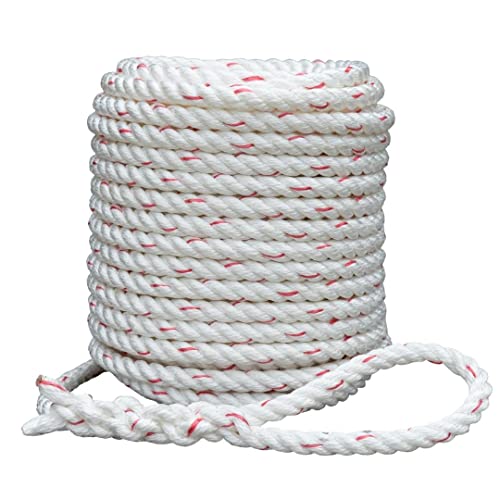
Arborist Bull Rope: 1/2 in x 100 ft, 2-eye splice
Right Rope
Mid-Range
Arborist Bull Rope - 3/4 in x 150 ft polyester tree rigging line
Right Rope
Premium
Arborist Bull Rope – 5/8 in x 150 ft, 1 Eye Splice
Right Rope
Mid-Range
Arborist Bull Rope, 5/8 in x 200 ft, high-strength polyester
Right Rope
Premium
Arborist Bull Rope: 1" x 100 ft polyester tree rigging line
Right Rope
Premium
Arborist Bull Rope, 3/4" x 100 ft | Right Rope
Right Rope
Mid-Range
Arborist Bull Rope - 5/8 in x 100 ft, 1 Eye Splice
Right Rope
Mid-Range
Arborist Bull Rope - 3/4 in x 200 ft polyester tree line
Right Rope
Premium
Samson Amsteel Blue Rope 1/8" x 150' Dyneema fiber, 2300lb
CBKnot
Mid-RangeRoundups
Frequently Asked Questions
How do I choose the right rope material for my task?
Select material based on strength, stretch, and abrasion/water resistance: nylon for high strength and shock absorption, polyester for low stretch and UV/water resistance, polypropylene for lightweight and flotation, and natural fibers for grip and low cost but lower durability
What diameter and breaking strength do I need for lifting or towing?
Match diameter and rated breaking strength to the load with a safety margin: small utility tasks may use 1/4–1/2 in with hundreds of pounds capacity, heavy lifting or towing typically requires larger diameters with several thousand pounds breaking strength; always use ropes with a published working load limit and apply a safety factor (commonly 5:1 or higher depending on risk)
How do I read rope specifications and what terms should I know?
Key specs include material, diameter, construction (braided vs. twisted), breaking strength, working load limit (WLL) or recommended safety factor, and treatments (UV/protector coatings); braided ropes are smoother and handle better, twisted ropes are cheaper and easier to splice
What general maintenance and storage steps extend rope life?
Keep ropes clean and dry, rinse salt or chemicals with fresh water, avoid prolonged UV exposure, store loosely coiled in a cool shaded area, inspect regularly for abrasion, fraying, or core damage, and retire ropes that show significant wear or reduced performance
Are there safety considerations for knots and hardware compatibility?
Use knots appropriate for the rope construction (figure-eight and bowline for kernmantle, double fisherman's for joining), avoid sharp bends or edges that concentrate load, and ensure hardware (carabiners, pulleys, shackles) is rated above the rope's working load limit and compatible with the rope diameter
How does rope construction affect performance (braided vs. twisted, kernmantle)?
Twisted (laid) ropes are more prone to untwisting and abrasion but are inexpensive; braided ropes offer better handling, lower stretch, and higher abrasion resistance; kernmantle ropes have a strong protective sheath and load-bearing core suited for climbing and high-load applications
What price ranges should I expect for industrial and specialty ropes?
Prices vary by material, construction, and rated strength; expect budget utility ropes under $50, mid-range specialized ropes in the $50–$200 area, and high-performance or industrial-certified ropes above that; average prices in this category are around the low hundreds