Ropes
Industrial and utility ropes for lifting, rigging, towing, and general-purpose work, including braided, twisted, synthetic, and wire options. The niche lists 237 products averaging a 4.61 rating and price range from $32 to $800, with brands like ATERET represented. Suitable for budget through premium tool and industrial applications
Top Products

Vanhench Climbing Rope – Jute 1in x 100ft, heavy-duty sisal hemp rope
Vanhench
Mid-Range
Natural hemp rope 1in x 50ft twisted jute for crafts
Glfcai
Budget
CBKnot Dyneema Rope 7/64in – 100, 200 or 300 ft
CBKnot
Budget
Jute Rope Garden Twine String - indoor & outdoor DIY crafts
Riemex
Budget
Jute rope garden twine string 1/2 inch, natural nautical craft rope
Riemex
Budget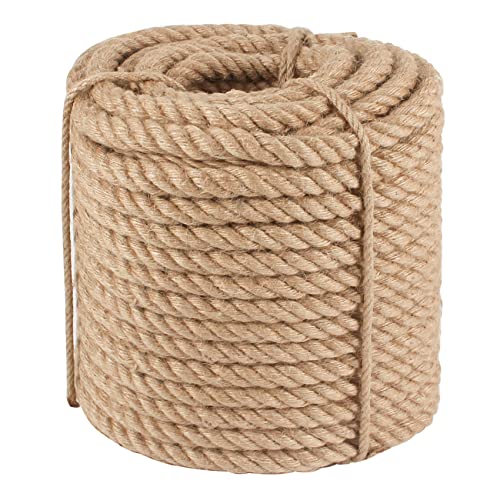
Twisted Manila Rope 5/8 in x 100 ft Natural Jute Rope
XiangGuanQianYing
Mid-Range
Arborist Rigging Double Rope 1/2 in x 100 ft (Black)
YUZENET
Budget
1/4 inch white polyester rope on spool, 500 ft
Quality Nylon Rope
Mid-Range
Twisted Manila Jute Rope, 3/4 in x 100 ft, natural
YUZENET
Budget
Jute Rope 1in x 50ft – Thick 4-strand Manila style natural rope
Ganggend
Budget
Macrame Cotton Cord 5mm x 328 Yard 4 Strand – Natural Handmade 4 Twisted Rope
Munzong
Budget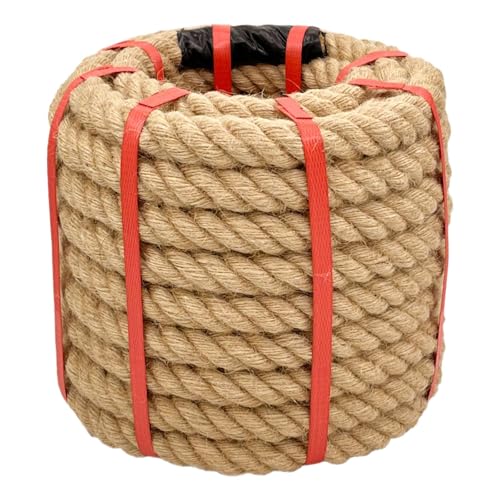
Hemp Rope 1in x 50ft Braided Jute Rope
Chmentnanza
Budget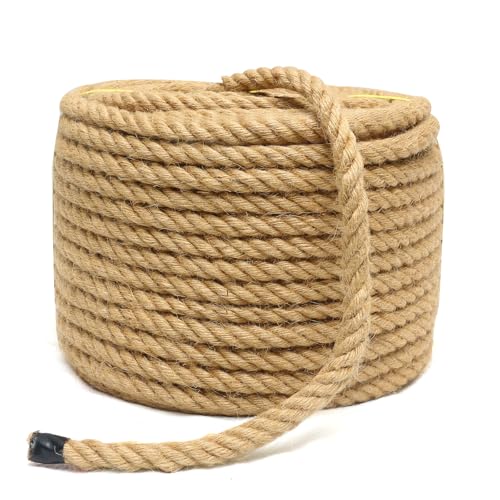
Jute Rope 1/2 Inch 200 Feet – Natural Twisted Hemp Rope
XINSHUNCAN
Mid-Range
1 Inch Natural Jute Rope 50 Ft - Hanging Swing & Decor
JANJOSN
Budget
3/16 inch black Dacron polyester rope, 500 ft spool
Quality Nylon Rope
Mid-Range
CBKnot Dyneema rope 7/64in 600' spools, blue
CBKnot
Budget
Jute Rope 3/4 in x 100 ft natural hemp for crafts & outdoor use
Ganggend
Mid-Range
CBKnot dyneema rope 7/64in 600' spools and 100' hanks
CBKnot
Budget
Red Cotton Rope 1in x 50ft for Swing, Decor, Tug of War
VEIZEDD
Budget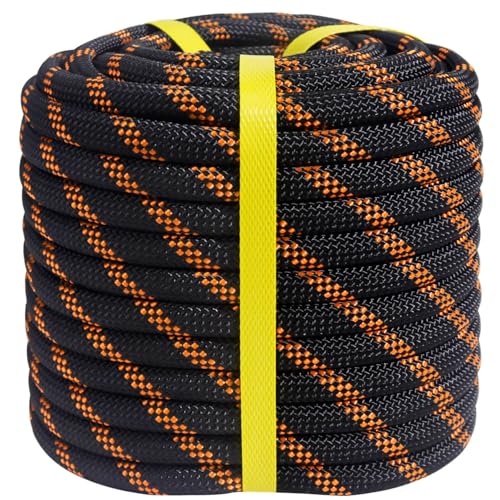
Double braided arborist rope 1/2 in x 100 ft
CRAYZA
Budget
Thick Manila Rope 3/4in x 100ft Natural Jute Heavy Duty Rope
Goyappin
Mid-Range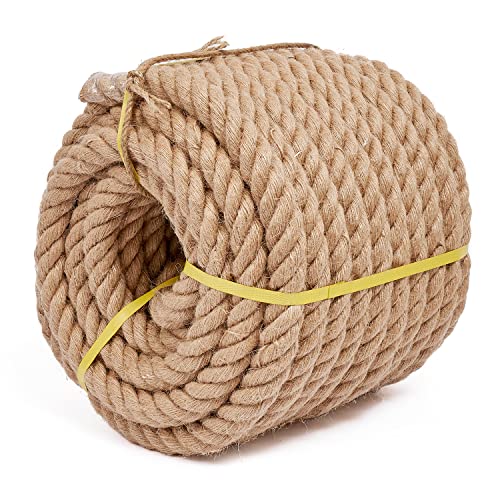
Rope 1 1/4 Inch 50 Feet Natural Jute Rope
XINSHUNCAN
Mid-Range
Hemp Rope 3/4 in x 100 ft Braided Thick Rope
Chmentnanza
Mid-Range
Double braided arborist rope 1/2 in x 100 ft
DerziNet
BudgetRoundups
Frequently Asked Questions
How do I choose the right rope type for a job in tools & industrial use?
Select rope by required strength (breaking strength or working load), material compatibility (nylon for shock absorption, polyester for UV and abrasion resistance, polypropylene for flotation and chemical resistance, natural fibers for light-duty), diameter for handling and fittings, and construction (braided for flexibility, twisted/laid for traditional strength and cost)
What strength and diameter should I look for when lifting or securing heavy loads?
Look at the rope's breaking strength and apply an appropriate safety factor (commonly 5:1 to 10:1 depending on risk), then choose a diameter that matches the load, hardware, and abrasion conditions — heavier loads generally require larger diameters and higher-rated materials like high-tenacity polyester or specialized synthetic ropes
How does rope material affect durability and maintenance in industrial environments?
Material determines UV, chemical, moisture, and abrasion resistance: polyester resists UV and abrasion well, nylon absorbs shock but can weaken when wet, polypropylene floats and resists many chemicals but degrades in UV, and natural fibers wear faster and rot; choose material based on exposure and clean/inspect regularly to extend life
What inspections and care should I perform to keep industrial ropes safe?
Regularly inspect for cuts, fraying, discoloration, soft spots, core slippage, and damaged fittings; clean ropes per manufacturer guidance (typically mild soap and water), dry thoroughly before storage, avoid exposure to sharp edges and chemicals, and retire rope when damage or significant wear is detected or after specified service life
Are there industry standards or certifications I should check before buying ropes for critical use?
Yes; for lifting and safety-critical applications, consult relevant standards such as ISO, EN, or ANSI specifications and look for manufacturer-stated compliance with those standards or third-party test data for breaking strength and working load limits
How do different rope constructions affect handling and knot performance?
Braided ropes (double braid or hollow braid) are more flexible, handle smoothly, and often hold knots well with less slippage; twisted/laid ropes are stiffer, easier to splice for some users, and can kink under load — choose construction based on required flexibility, knot-holding, and splicing needs
What's a reasonable budget expectation for industrial-grade ropes?
Prices vary by material, construction, and rated strength; you can find basic utility ropes under $50, while higher-performance or specialized industrial ropes commonly range higher, with averages in many assortments around $80 per product