Routers
This category covers handheld and table-mounted woodworking routers and router bits used for trimming, shaping, and joinery in tools & industrial applications. Forty-two products are indexed, with prices ranging from $39 to $534 (average $161) and top brands including DEWALT and Bosch
Top Products

Makita compact router plunge base
Makita
Mid-Range
Makita compact router RT0701C
Makita
Premium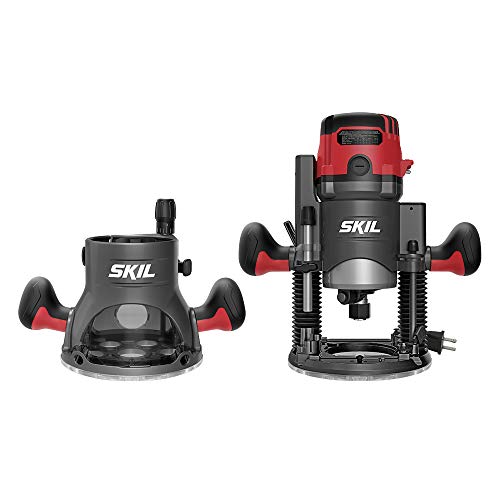
Skil 14 Amp Plunge and Fixed Base Router Combo RT1322-00
Skil
Premium
Milwaukee Cordless Compact Router, 18V
Milwaukee
Premium
DEWALT fixed-base router 1-1/4 hp, 7.7a, variable speed
DEWALT
Premium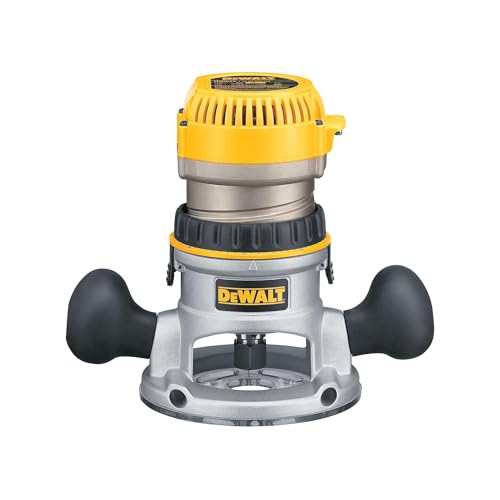
DEWALT fixed-base router 1-3/4 HP 11A DW616
DEWALT
Premium
DEWALT 1.25 HP Variable Speed Router with Round Sub Base
DEWALT
Premium
BOSCH PR20EVS Colt Palm Router 1.0 HP
Bosch
Premium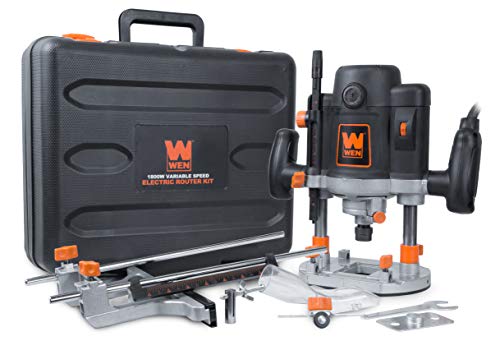
WEN 15-Amp Variable Speed Plunge Router Kit with Case
WEN
Mid-Range
Makita 18V LXT Brushless Cordless Compact Router
Makita
Premium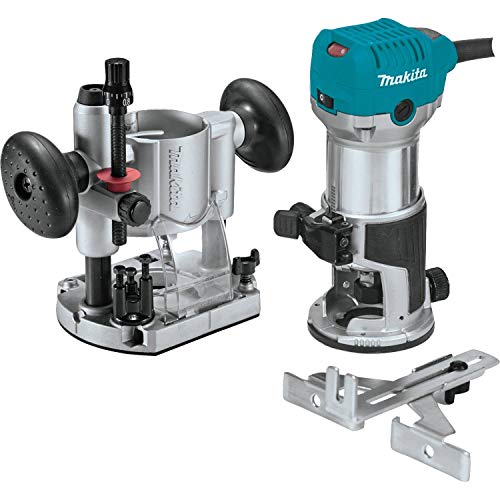
Makita 1-1/4 HP Compact Router Kit
Makita
Premium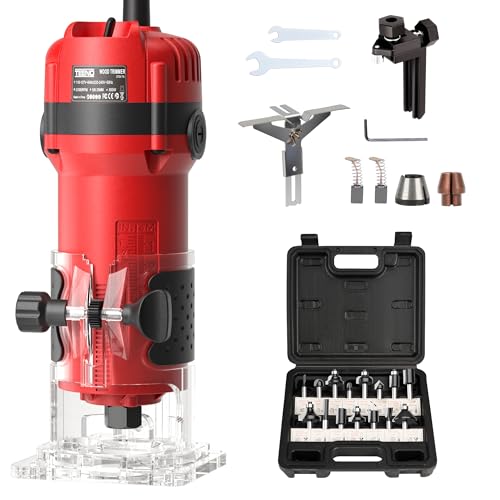
TEENO Wood Router 6.5A 800W 31k RPM with 15-piece Bit Set
TEENO
Mid-Range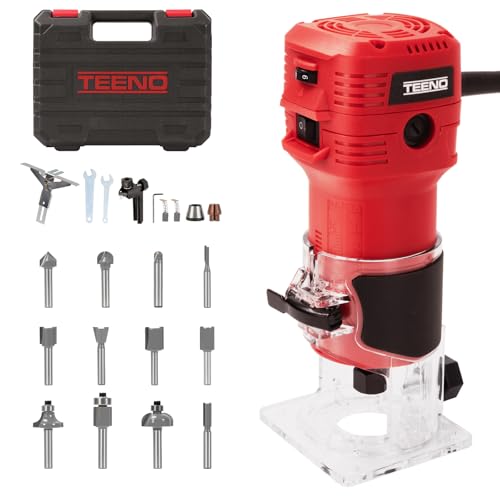
TEENO Wood Router 650W with 12pc 1/4" bits, 6 speeds
TEENO
Mid-Range
TEENO Wood Router 6.5A 1.25HP with 15pc Bit Set, 6-Speed
TEENO
Mid-Range
CRAFTSMAN V20 Router Tool - Cordless, Variable Speed, Fixed Base (Bare Tool)
CRAFTSMAN
Premium
Wood Router 650W with 12pc Bit Set, 6-Speed Trimmer, Edge Guide
TEENO
Budget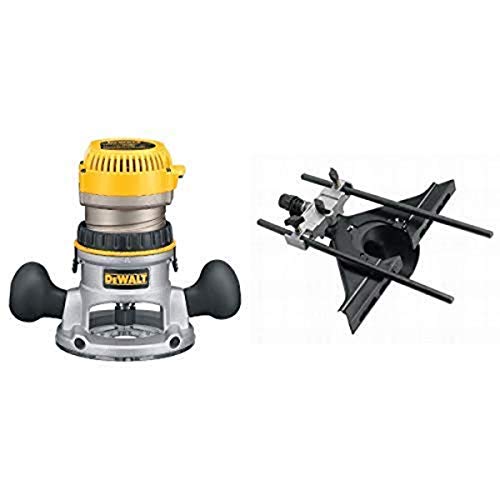
DEWALT fixed base router with edge guide and vacuum adaptor
DEWALT
Premium
Bosch 1617EVS 2.25 HP Electronic Fixed-Base Router
Bosch
Premium
Cordless Compact Router with 5-speed control (tool only) 28,000 RPM
WITLIGHT
Mid-Range
TwoWin 800W Wood Router Tool with 1/4" Collets (Palm Trimmer) 15-Piece Bit Set
TwoWin
Mid-Range
SILVEL Wood Router 800W 6.5A 30000 RPM 1.25HP with 15/64" Bit Set, Red
SILVEL
Mid-Range
Cordless compact router with 6-speed control (bare tool)
MtiolHig
Mid-Range
TWOWIN Handheld Wood Router Tool 6.5A, 6 speeds, 1.25HP with Dust Hood and 15pcs bits
TwoWin
Mid-Range
Bosch 1617EVSPK 2.25 HP Router with Plunge & Fixed Base
Bosch
PremiumRoundups
Frequently Asked Questions
How do I choose the right type of router for woodworking or industrial tasks?
Select by motor power, collet size, and whether you need a fixed-base, plunge, or combo unit; fixed bases are good for edge work, plunge routers are for mortises and stopped cuts, and combo kits offer versatility. Match motor power (measured in amps or horsepower) to material and bit size—heavier-duty tasks need higher power—and prefer compatible collet sizes (1/4" or 1/2") based on the bits you’ll use
What power and speed should I look for in a router for professional use?
For professional or industrial use look for motors in the higher amperage or horsepower range with variable speed control; higher power handles larger bits and dense materials while variable speed lets you adjust for bit diameter and material to avoid burning or tear-out. Routers often list RPM ranges—lower RPMs are safer for large-diameter bits, higher RPMs suit small-diameter bits
Should I choose a router with a 1/4" or 1/2" collet, or get a model that accepts both?
A 1/2" collet provides greater stiffness and less bit deflection for large bits and heavy cuts, while 1/4" collets work for finer bits and trim tasks; a router that accepts both (via adapters or dual-size collets) offers the most flexibility for varied bit sizes
What safety and dust-collection features are important when buying a router?
Look for features like soft-start motors, spindle locks for safe bit changes, secure base clamping, and well-designed dust ports or shrouds that connect to a vacuum; good dust collection improves visibility, reduces clean-up, and enhances operator health
How do I maintain a router to ensure long life and consistent performance?
Regularly clean vents and dust paths, inspect and replace worn brushes if the motor uses them, keep the collet and spindle free of debris, lubricate moving parts per the manual, and use sharp, balanced bits to reduce strain on the motor and bearings
What should I consider about accessories and bits when budgeting for a router?
Factor in the cost of quality bits, edge guides, templates, bases, and dust-collection fittings; bits vary widely in price and wear rate, so budget for replacement and choose bit types (solid carbide, carbide-tipped) based on frequency of use and material
Are there compact or trim routers suitable for light shop work and how do they differ from full-size routers?
Trim or compact routers are lighter, lower-powered tools designed for edge trimming, laminate work, and small joints; they offer greater maneuverability but less power and bit capacity than full-size routers, making them appropriate for handheld tasks rather than heavy-duty routing or large-diameter bits