Safety Boot & Shoe Covers
Protective slip-on and over-boot covers for work boots and shoes, including disposable and reusable options for chemical, liquid, and abrasion resistance. The category spans budget to mid-range prices (avg $49) with 32 products indexed and brands like YJDayy represented
Top Products

G & F Disposable Shoe Covers, 500 Pcs, Slip-Resistant, Waterproof
G & F
Mid-Range
X-Large disposable boot & shoe covers (250 pairs) blue
G & F Products
Mid-Range
ShuBee Waterproof Shoe Covers, Slip-Resistant, 40 pair
ShuBee
Mid-Range
ShuBee Waterproof Shoe Covers (40 pair) slip-resistant disposable
ShuBee
Mid-Range
ShuBee Waterproof Shoe Covers
ShuBee
Mid-Range
ShuBee Waterproof Shoe Covers with Slip-Resistant, 40 Pair
ShuBee
Mid-Range
ShuBee Waterproof Shoe Covers for Construction and Indoor Flooring
ShuBee
Mid-Range
Automatic shoe cover dispenser with 200-pcs disposable shoe covers
YJDayy
Budget
Black non-woven disposable shoe covers (200-pack) for large sizes
Dclobtop
Budget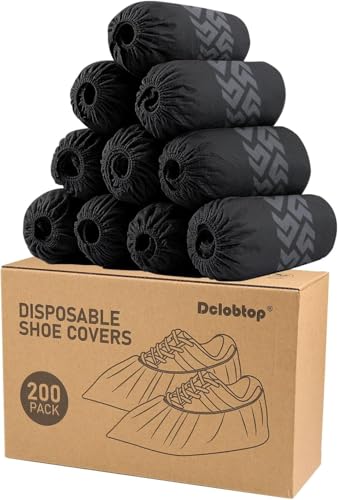
Recyclable disposable shoe covers, fits up to men 11 / women 13
DclobTop
Budget
Heavy Duty Disposable Shoe Covers, Extra Large 6.7x17.7 in, 0.3 oz
Buself
Budget
330 Premium XL Booties - Heavy-duty disposable shoe covers
PedaShield
Mid-Range
Shoe Cover Dispenser Automatic Dispenser for 200pcs Covers
YJDayy
Mid-Range
330 Premium XL Booties - disposable shoe covers, non-slip, durable
PedaShield
Mid-Range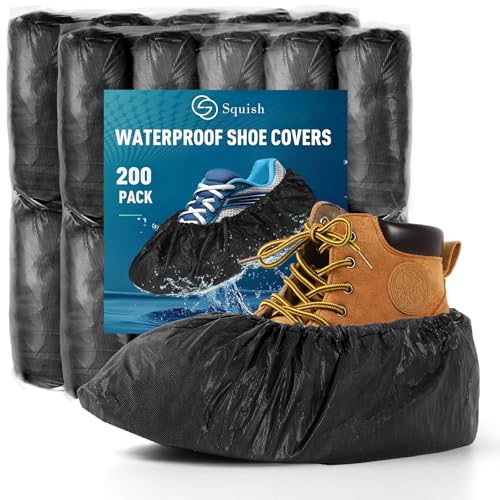
Squish Disposable Shoe Covers, non-slip, 200-pack, 6g
squish
Budget
Automatic Shoe Cover Dispenser with 200pcs Covers
YJDayy
Mid-Range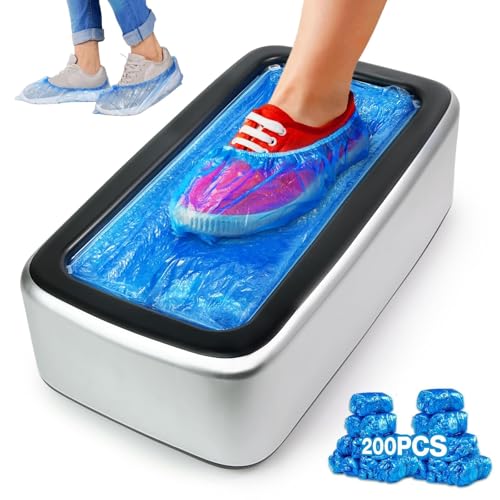
Automatic shoe cover dispenser with 200 pcs shoe covers
YJDayy
Mid-Range
Shoe cover dispenser with 200 disposable non-slip covers
YJDayy
Mid-Range
X-Large disposable shoe covers with slip-resistant grip
Buself
Budget
Disposable shoe covers non slip booties, 300-pack
Zhanmai
Budget
Upgraded automatic shoe cover dispenser with 200 covers
Allyplay
Mid-Range
Automatic shoe cover dispenser with 200pcs
YJDayy
Budget
Automatic shoe cover dispenser with 200pcs
YJDayy
Mid-Range
Squish disposable shoe covers, 200-pack, non-slip pink
squish
BudgetRoundups
Frequently Asked Questions
How do I choose the right size and fit for safety boot and shoe covers?
Select covers based on your shoe/boot size and fit type (snug, loose, or over-boot). Check manufacturer sizing charts for length and width, consider toe room for steel-toe boots, and choose adjustable closures (elastic, zipper, or hook-and-loop) if you need a flexible fit
What materials and protective features should I look for?
Common materials include PVC, nitrile, neoprene, and reinforced fabric; choose according to hazards: nitrile or neoprene for chemical resistance, PVC for general splash protection, and thicker, reinforced or puncture-resistant materials for sharp objects. Look for slip-resistant soles, toe and sole reinforcement, and certified cut or puncture ratings if required
Are these covers reusable and how do I clean or maintain them?
Many covers are reusable; wipe down with soap and water or use appropriate solvents for chemical contaminants per manufacturer guidance. Inspect regularly for tears, worn soles, or compromised seams and replace if damage or loss of protective properties is detected
Which certifications or safety standards matter when buying?
Check for relevant standards such as ASTM, EN ISO, or ANSI ratings for slip resistance, puncture or cut resistance, and chemical permeability. Match the certifications to your workplace hazards and any regulatory requirements rather than assuming all covers provide the same protection
How do I decide between disposable and reusable covers?
Choose disposable covers for single-use contamination control or tasks with a high risk of chemical exposure that prevents safe cleaning; choose reusable covers for frequent use, higher durability needs, and lower long-term cost when they can be effectively cleaned and inspected
What are common trade-offs between protection, dexterity, and cost?
Higher-protection covers (thicker or with reinforcement) typically cost more and can reduce flexibility and fit; lighter, lower-cost options offer more dexterity and breathability but less resistance to punctures, chemicals, or heavy abrasion. Balance protection level with task demands and budget
Can shoe covers affect footwear safety features like steel toes or electrical insulation?
Covers should not be assumed to preserve or add certified features; they may interfere with traction or fit, and most do not provide electrical insulation or maintain steel-toe certification. Verify that using a cover is permitted for your specific safety requirements and inspect for changes in fit or sole behavior