Safety Floor Markers
Safety floor markers are adhesive or peel-and-stick decals and mats used to indicate walkways, hazards, and equipment zones in industrial and commercial settings. This category (11 indexed products, avg rating 4.34) includes vinyl, photoluminescent, and textured markers from brands like Brady, with prices typically ranging $35–$121
Top Products

TRADESAFE Trash Can Anti-Slip Floor Sticker (17"), Yellow/Black
TRADESAFE
Budget
Watch Your Step Anti-Slip Floor Sticker (17" dia)
TRADESAFE
Budget
TRADESAFE Stop - Employees Only Floor Sign (17" diameter)
TRADESAFE
Budget
Brady ToughStripe L-shaped floor marking tape, blue, 5" x 2", 20 per pack
Brady
Budget
ToughStripe Diagonal Floor Marking Tape, 3" x 100', red/white
Brady
Mid-Range
Brady ToughStripe L-Shape Floor Marking Tape, 8" x 3", Black (20 rolls)
Brady
Mid-Range
Brady ToughStripe L-shape floor marking tape, 10" x 4", red (pack of 20 per roll)
Brady
Mid-Range
ToughStripe Floor Marking Tape 100' x 4" Black & Yellow
Brady
Premium
ToughStripe L‑shaped floor marking tape, 10" x 4", white (pack of 20)
Brady
Mid-Range
Brady ToughStripe L-shaped floor marking tape, 10" x 4", yellow (pack of 20)
Brady
Mid-Range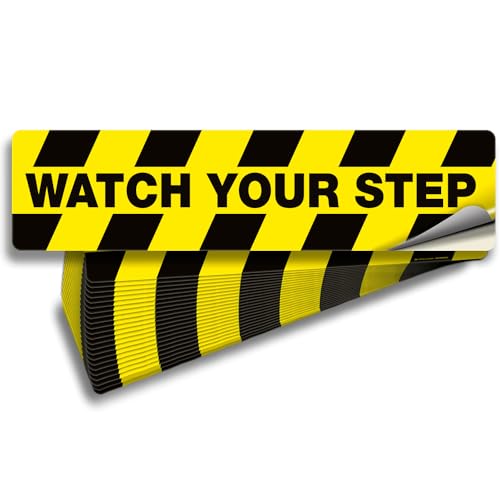
Watch Your Step Floor Decals 24 Pack 20x5 in
iSYFIX
Mid-RangeRoundups
Frequently Asked Questions
How do I choose the right safety floor markers for my facility?
Choose markers based on surface type (concrete, tile, epoxy), required durability (temporary vs. permanent), visibility needs (color, reflective or photoluminescent), and application method (adhesive-backed, bolt-down, or tape)
What materials and durability levels are available for floor markers?
Common materials include vinyl, PVC, rubber, and aluminum; vinyl and PVC are flexible and cost-effective, rubber and aluminum offer higher durability and impact resistance for industrial traffic. Many markers are rated for temperature range, chemical resistance, and vehicle or forklift traffic—check product specs for these ratings
How should I measure and plan layout before buying markers?
Measure the area and map desired pathways, hazards, and storage zones; calculate marker count by spacing recommendations (e.g., continuous lines vs. spaced dots) and allow extra for replacements. Use consistent colors and symbols that match your site’s safety standards or floor-marking plan
What are common application methods and installation tips?
Markers come as peel-and-stick, adhesive with primer, bolt-down, or tape-based options; clean and dry the surface thoroughly, remove oils or coatings, and use manufacturer-recommended primer or mechanical fasteners for high-traffic areas to ensure adhesion and longevity
How long do floor markers typically last and how do I maintain them?
Lifespan varies widely—temporary markers may last months while heavy-duty materials can last years; routine maintenance includes regular cleaning with non-abrasive detergents, inspecting for lifting or wear, and replacing damaged markers to maintain visibility and safety
Are there regulatory or color-coding standards I should follow?
Follow OSHA and ANSI guidelines where applicable: for example, yellow commonly denotes caution or traffic aisles, red indicates fire protection equipment or hazards, and green denotes safety equipment or first-aid; verify industry-specific regulations for exact requirements
What budget ranges should I expect for safety floor markers?
Prices vary by material, size, and mounting method; expect low-cost temporary markers under $50 and more durable, industrial-grade solutions to range into the hundreds per pack or unit, with average category pricing around typical mid-range products