Secondary Containment Equipment
Secondary Containment Equipment includes trays, spill pallets, and secondary tubs designed to capture leaks and spills from drums, tanks, and equipment. The category spans budget to mid-range options (about $79–$448, avg $205) with brands like PIG and Eagle Manufacturing represented
Top Products

Eagle Drum Spill Platform with Drain, 26.25x26x6.5 in, 15 gal sump, 2000 lb
Eagle Manufacturing
Premium
Eagle Drum Modular Spill Platform, 26.25x26x6.5, 15 gal sump
Eagle Manufacturing Company
Premium
Folding Duck Ponds (Yellow, 2' x 2')
2nd Containment
Mid-Range
Duck Pond 2x2 - Orange PVC Secondary Containment Tray
2nd Containment
Mid-Range
Duck Pond 4 x 4 - Lime Green
2nd Containment
Premium
Duck Pond 5 x 5 - Black
2nd Containment
Premium
New Pig Utility Containment Tray 40" L x 40" W x 5" H
PIG
Premium
Eagle 2 Drum Spill Platform with Drain, Forklift Pockets
Eagle Manufacturing
Premium
Eagle 2 Drum Spill Platform with Forklift Pockets, 30 gal, 26.25x51x6.5, 5000-lb
Eagle Manufacturing
Premium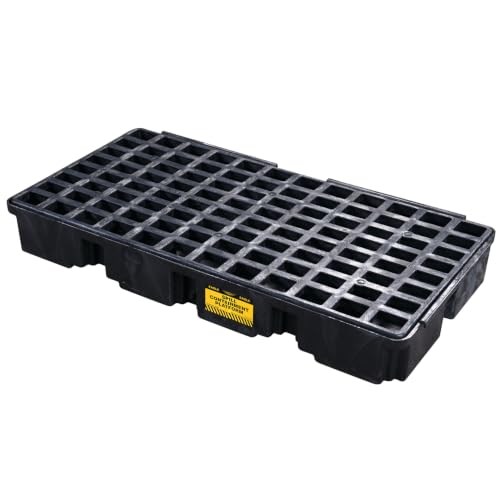
Eagle 2 Drum Spill Platform with Drain & Forklift Pockets
Eagle Manufacturing
Premium
Folding Duck Ponds (Grey) 5' x 5' – 2nd Containment
2nd Containment
Premium
Duck Pond 5 x 5 - Lime Green
2nd Containment
Premium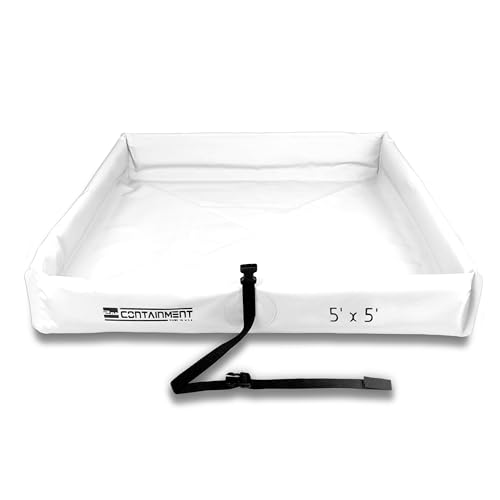
Duck Pond - 5 x 5 - White
2nd Containment
Premium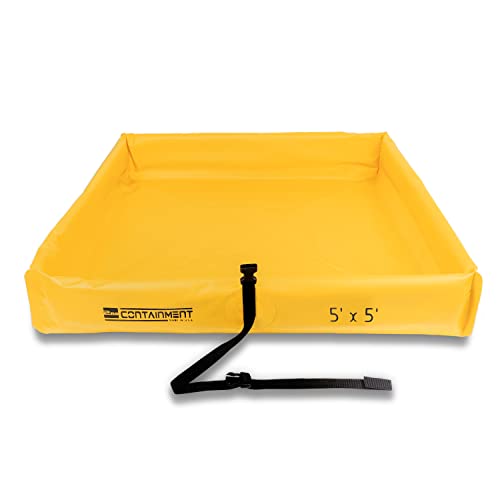
Duck Pond 5 x 5 - Yellow
2nd Containment
Premium
Folding Duck Ponds (6' x 6', Black) by 2nd Containment
2nd Containment
Premium
Duck Pond 6x6 - Lime Green
2nd Containment
Premium
Duck Pond 6 x 6' - White
2nd Containment
Premium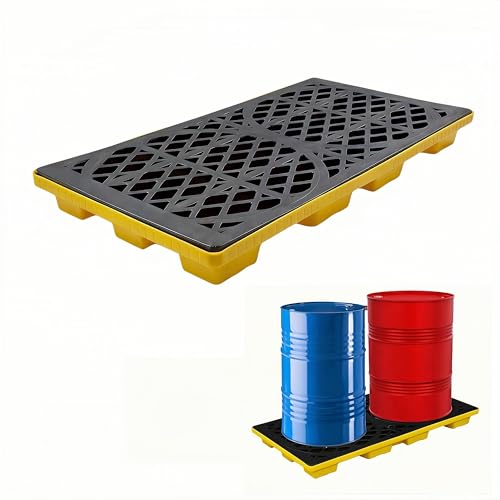
2 Drum Spill Containment Platform with Drain Outlet & Forklift Pockets
ReyetRentu
Premium
Eagle 51.5x51.5x6.5 in spill platform with drain, 60.5 gal sump, 10000 lb capacity
Eagle Manufacturing
PremiumRoundups
- Best Secondary Containment Equipment Under $100 (2026)
- Best Secondary Containment Equipment for Drum Filling And Dispensing (2026)
- Best Secondary Containment Equipment for Preventative Maintenance (2026)
- Best Secondary Containment Equipment Under $200 (2026)
- Best Secondary Containment Equipment (2026 Guide)
Frequently Asked Questions
What is secondary containment and why do I need it?
Secondary containment is a backup barrier (like berms, spill pallets, or trays) designed to catch leaks or spills from primary containers to prevent environmental contamination and workplace hazards; it's required or recommended where liquids such as oils, chemicals, or fuel are stored or handled
How do I choose the right secondary containment capacity?
Select containment that holds at least 110% of the largest single container volume or 25% of the total stored volume depending on local regulations; consider the number and size of containers, whether drums are stacked, and any local code requirements
What materials and chemical compatibility should I consider?
Choose containment materials (polyethylene, steel, or reinforced fabrics) based on chemical compatibility, UV resistance, and durability; consult chemical compatibility charts to ensure the material resists the specific fluids you store
Are there portable options for temporary or mobile needs?
Yes—portable spill berms, foldable containment trays, and transportable spill pallets are available for temporary, field, or mobile applications and are sized for ease of deployment and transport
How do I maintain and inspect secondary containment equipment?
Regularly inspect for cracks, punctures, corrosion, and blockages; clean spills promptly, repair or replace damaged units, and document inspections to comply with safety and environmental procedures
What safety features should I look for in secondary containment?
Look for features like non-slip surfaces, locking or bund walls, removable grates for easy cleaning, leak-detection ports, and compliance labels or ratings that match your application and regulatory needs
What is the expected price range for secondary containment equipment?
Secondary containment products vary widely by size and material, commonly ranging from budget options under $100 for small trays to several hundred dollars for larger spill pallets or berms; average catalog prices for industrial-grade items tend to be in the low hundreds