Shim Stock
Shim stock sheets and kits used for precision spacing, shimming, and alignment in tooling and industrial maintenance; materials include stainless steel and brass in assorted thicknesses. The category averages a 4.68 rating across about 10 products with mid-range prices (roughly $33–$88) and brands like Otoolling and The Shim Shop represented
Top Products
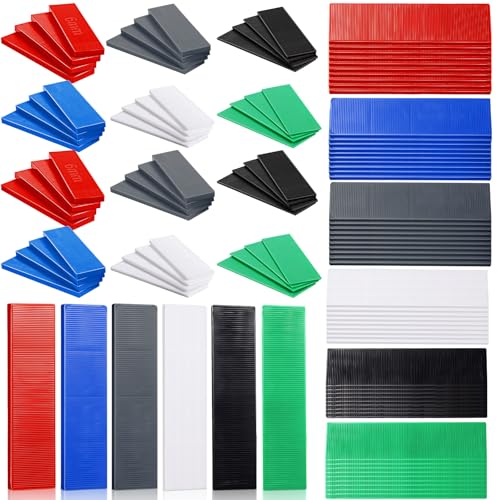
Konohan Plastic Flat Shims for Leveling (3/64–15/64) in Multiple Colors
Konohan
Mid-Range
Pangda 100 Pack 8 Inch Composite Plastic Shims for Leveling
Pangda
Budget
Seajan Drywall Shims, 100 Pcs Cardboard Wallet Shims for Leveling
Seajan
Mid-Range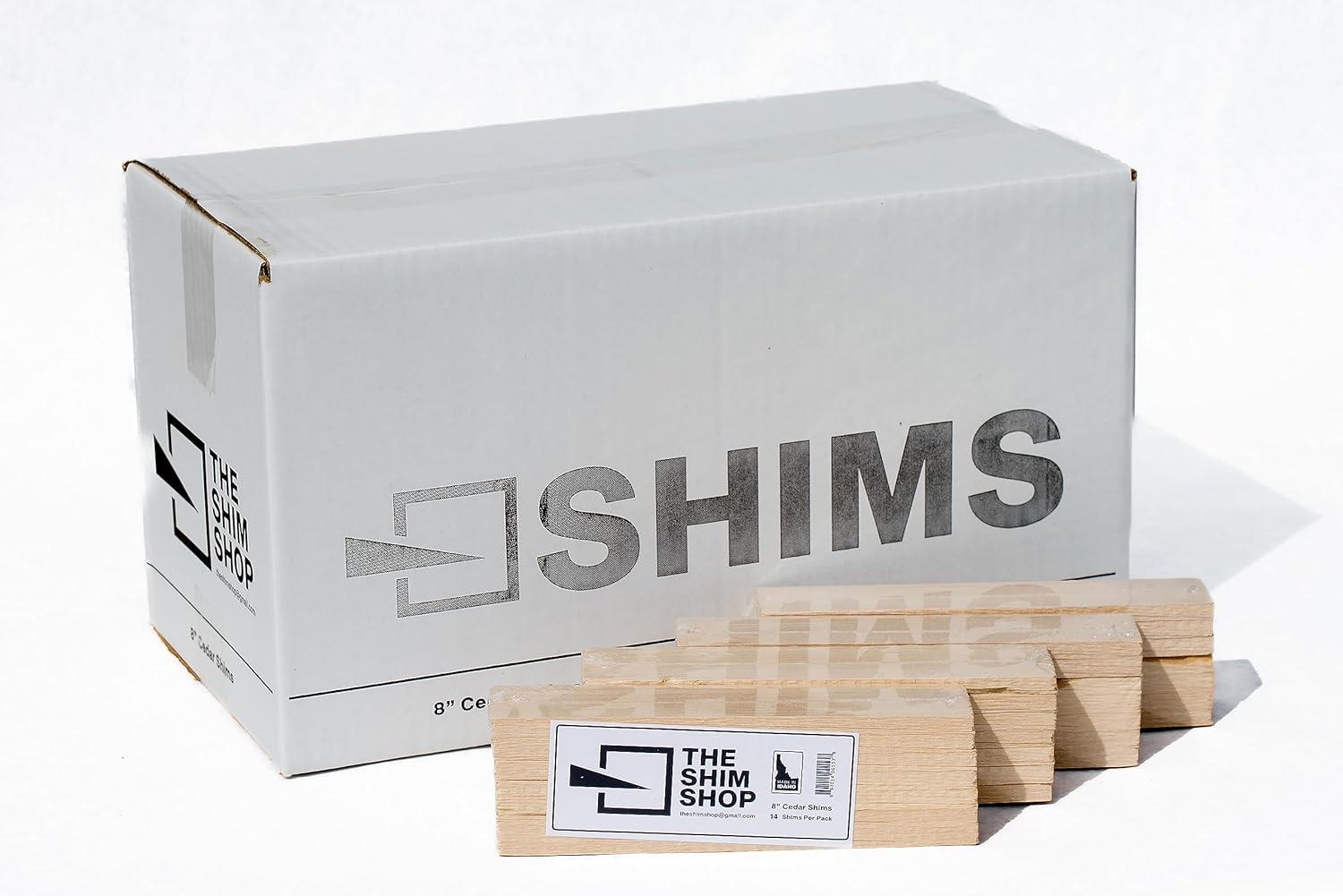
Cedar Wood Shims 420 count – kiln-dried 8" shims
The Shim Shop
Mid-Range
Konohan Plastic Flat Shims for Leveling, 300 pcs
Konohan
Budget
Stack Shims 500 pcs 3-1/2 in x 1/16 in Black for Windows & Doors
Otoolling
Mid-Range
Pangda 250 Pack 8in Composite Plastic Shims for Leveling
Pangda
Mid-Range
CRL Shimstack Shims 1/16" x 3-1/2" (Case of 1000)
CRL
Mid-Range
Nelson Wood Shims CSH12/42/12/48 B Wood Snapping Shim, 3/8 x 1-3/8 x 12-in, 42-Pk
Nelson Wood Shims
Mid-Range
Stack Shims 1000 pcs 3-1/2 in x 1/16 in for windows & doors
Otoolling
Mid-RangeRoundups
Frequently Asked Questions
What is shim stock and what is it used for?
Shim stock is thin, flat material (metal or synthetic) used to fill gaps, align parts, adjust tolerances, and provide spacing or shims in assemblies and machinery. Common uses include aligning bearings, door hardware, gears, and precision fixtures
How do I choose the right material and thickness?
Select material based on corrosion resistance and compressibility—stainless steel for durability and rust resistance, brass or copper for softer, non-sparking applications, and plastic or mylar for electrical insulation. Choose thickness to match the gap or tolerance you need, typically available in thousandths of an inch (e.g., 0.001–0.020") or hundredths of a millimeter; stack multiple layers if necessary
What thickness range should I expect and how precise are shim stock measurements?
Shim stock is commonly sold in very thin gauges, often from about 0.001" up to 0.020" (0.025 mm to 0.5 mm) and sometimes thicker. Manufacturer tolerances vary, so check spec sheets for nominal thickness and tolerance (often ±0.0002" to ±0.001")
How should shim stock be cut and shaped safely and accurately?
Use metal snips, a shear, a hobby knife for thin plastics, or a precision guillotine for cleaner edges; clamp material and mark layout before cutting. For fine fitting, file or sand edges and use a caliper or feeler gauge to verify thickness after cutting. Wear gloves and eye protection to avoid sharp edges
Can shim stock be used in high-temperature or load-bearing applications?
Material and thickness determine suitability: stainless steel and some specialty alloys withstand higher temperatures and loads, while softer metals and plastics are suitable for light loads and lower temperatures. Always consult material datasheets for temperature, yield strength, and creep properties for critical applications
How do I prevent corrosion or wear when using shim stock?
Choose corrosion-resistant materials like stainless steel or apply protective coatings (e.g., plating or oil) where compatible; avoid dissimilar metal contact that can cause galvanic corrosion. For wear reduction, use harder alloys or place a thin insulating layer between mating surfaces
What is a good budgeting guideline for purchasing shim stock?
Shim stock prices vary by material, thickness, and quantity; expect budget options under $50 for small packs and higher costs for larger rolls or specialty alloys. Compare per-unit area or per-thickness pricing when buying multiple sizes or larger quantities