Smoke & Carbon Monoxide Alarms
Smoke and carbon monoxide alarms for residential and light-commercial use, including battery, hardwired, and combination smoke/CO models. The category spans budget through premium options (average price ~(price varies)) and features brands like First Alert among 155 indexed products with an average rating of 4.42 stars
Top Products
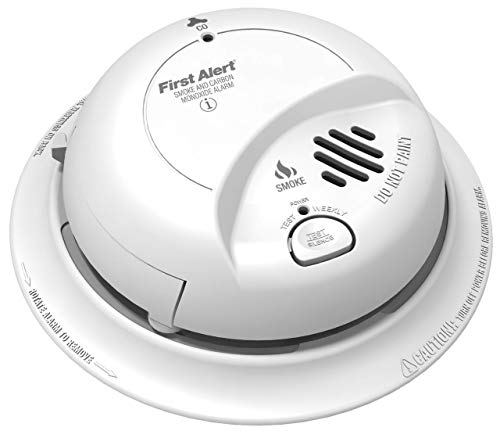
First Alert hardwired smoke and CO detector with battery backup
First Alert
Mid-Range
First Alert combination smoke & carbon monoxide alarm
First Alert
Mid-Range
X-Sense 2-in-1 Smoke and Carbon Monoxide Detector Alarm
X-Sense
Budget
First Alert 2-in-1 smoke & carbon monoxide alarm
First Alert
Mid-Range
X-Sense wireless interconnected smoke & CO detector (1-pack)
X-Sense
Mid-Range
First Alert powered alarm SCO5CN smoke and CO detector
First Alert
Mid-Range
X-Sense combo smoke and carbon monoxide detector XP02-WR
X-Sense
Mid-Range
X-Sense 2-in-1 Smoke and CO Detector SC01
X-Sense
Mid-Range
First Alert battery-operated smoke & carbon monoxide alarm 3-pack
First Alert
Premium
X-Sense XP02-AR hardwired smoke and CO detector with voice location
X-Sense
Mid-Range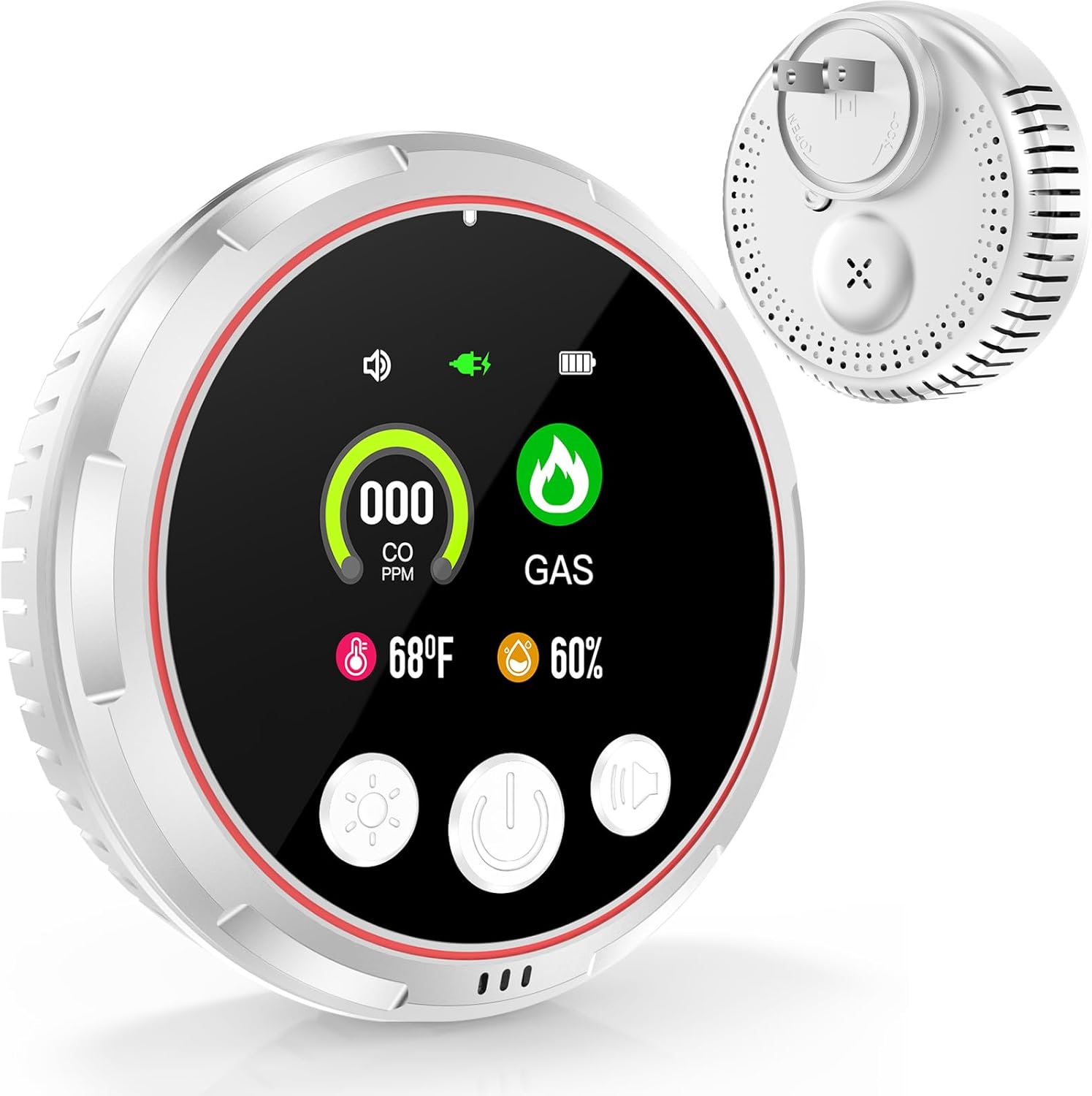
4-in-1 CO detector & gas leak detector
BoltBlaze
Budget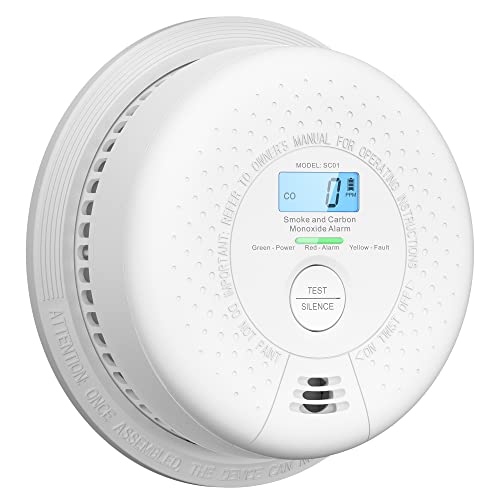
X-Sense 10-Year Battery Smoke and CO Detector SC01
X-Sense
Mid-Range
2-Pack Smoke and CO Detector with Test/Reset Button
Linsoal
Mid-Range
X-Sense hardwired combo smoke and CO detector XP06
X-Sense
Mid-Range
2-in-1 CO & smoke detector with batteries, 85 dB
OLUNCLE
Budget
Kidde 2-in-1 hardwired smoke & CO detector with battery backup
Kidde
Premium
4-pack photoelectric smoke and CO detector with LCD display
Linsoal
Mid-Range
First Alert hardwired smoke and CO detector with battery backup
First Alert
Mid-Range
First Alert 2-in-1 smoke & carbon monoxide alarm, battery-operated
First Alert
Mid-Range
3 Pack photoelectric smoke alarm & CO detector with display
Linsoal
Mid-Range
2-Pack Interlinked Smoke & CO Alarm (Battery Powered)
kesymo
Mid-Range
Interlinked Smoke & CO Detector Combo, battery powered, wireless interconnected
AEGISLINK
Mid-Range
Upgraded dual-sensor smoke and carbon monoxide alarm (4-pack)
Yfwsrecinoe
Mid-Range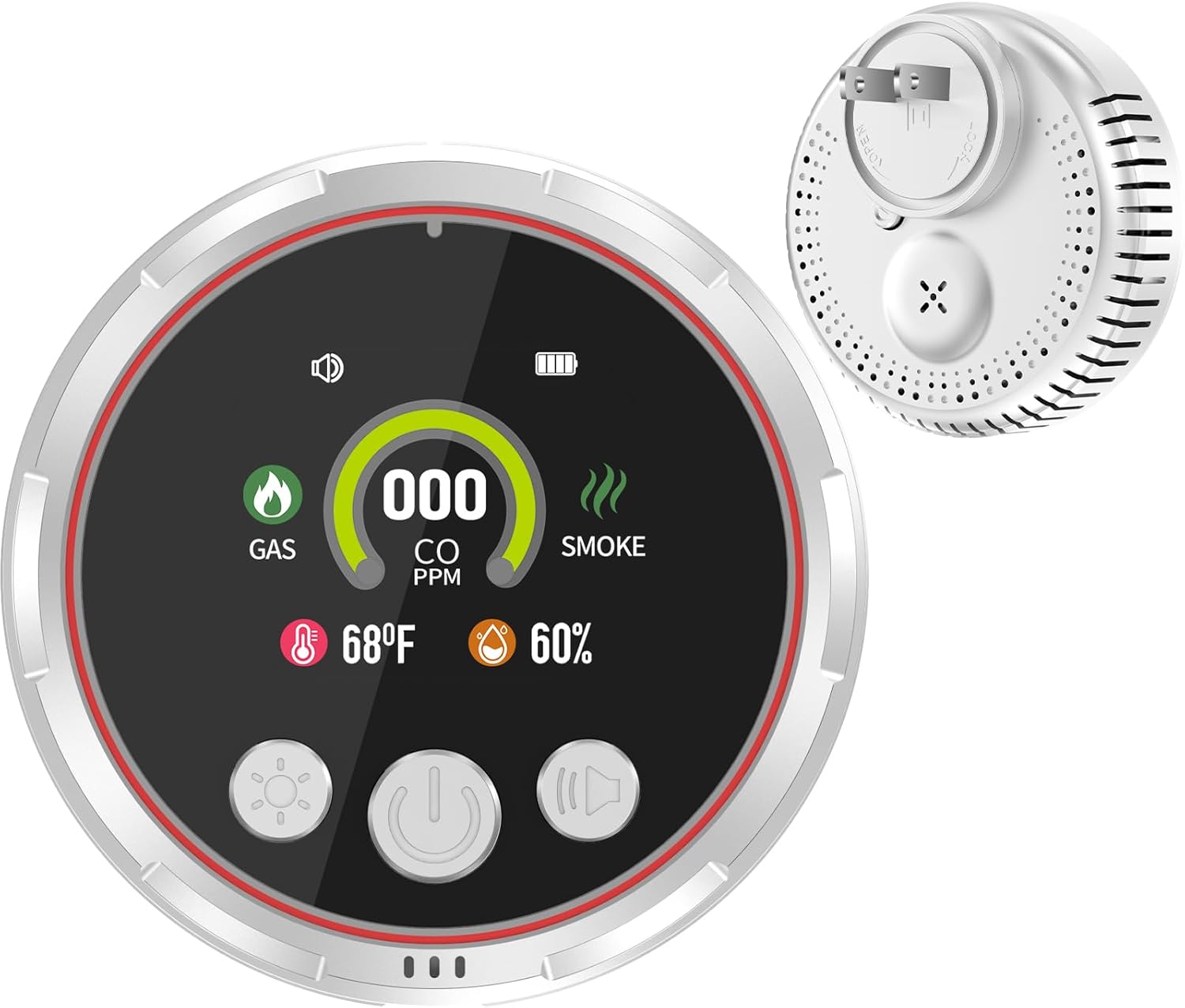
5-in-1 CO Detector with Smoke & Gas Leak Monitor
BoltBlaze
Mid-RangeRoundups
- Best Smoke & Carbon Monoxide Alarms for Kitchen Safety (2026)
- Best Smoke & Carbon Monoxide Alarms for Bedroom Safety (2026)
- Best Smoke & Carbon Monoxide Alarms Under $200 (2026)
- Best Smoke & Carbon Monoxide Alarms Under $100 (2026)
- Best Smoke & Carbon Monoxide Alarms Under $50 (2026)
- Best Smoke & Carbon Monoxide Alarms (2026 Guide)
Frequently Asked Questions
What types of smoke and carbon monoxide alarms are available and how do I choose between them?
There are ionization, photoelectric, and dual-sensor smoke alarms; ionization detects fast-flaming fires, photoelectric is better for smoldering fires, and dual-sensor combines both. Carbon monoxide (CO) alarms use electrochemical sensors. Choose based on the risks in your home (kitchens and garages favor photoelectric or dual for smoke; any fuel-burning appliances require CO detection) and local code requirements
Should I buy battery-powered, hardwired, or plug-in alarms?
Battery-powered alarms are easy to install and work during outages; hardwired alarms (often with battery backup) are integrated into a house electrical system and can be interconnected; plug-in alarms are simple for rentals or temporary use. Select hardwired with interconnect for permanent installs where building code requires it, otherwise sealed long-life battery or plug-in models are common choices
How many alarms do I need and where should I place them?
Install a smoke alarm inside each bedroom, outside sleeping areas, and on every level including the basement; install a CO alarm outside sleeping areas and near potential CO sources. Follow local building codes and manufacturer placement guidelines (avoid installing near windows, vents, or very humid areas)
What are important features to look for (interconnectivity, voice alerts, smart features, sensor type)?
Key features include sensor type (photoelectric vs ionization), interconnectivity (wired or wireless) so all alarms sound together, sealed long-life batteries or user-replaceable batteries, clear audible or voice alerts, and smart connectivity for remote notifications. Choose features that match your safety needs, household layout, and preference for remote monitoring
How long do alarms last and how should I maintain them?
Most smoke and CO alarms have a usable life of 5–10 years; manufacturers recommend replacing the unit at the end of its life. Test alarms monthly, replace batteries yearly or when the low-battery chirp sounds (or choose sealed long-life battery units), and vacuum around the housing occasionally to remove dust
Are photoelectric alarms better for kitchens and bathrooms to reduce false alarms?
Photoelectric alarms are generally less prone to nuisance alarms from cooking or steam than ionization types, making them a better choice for areas near kitchens or bathrooms. However, avoid placing any alarm directly within 3–5 feet of cooking appliances or in high-humidity zones to minimize false alerts
What should I know about certifications and regulatory standards?
Look for alarms certified by recognized testing labs (for example, UL, ETL, or equivalent regional standards) and that comply with local building codes. CO alarms should meet CO sensor performance standards and smoke alarms should meet applicable smoke detection standards for reliable performance