Smoke Detectors & Fire Alarms
This category covers smoke detectors, combination smoke/CO alarms, wired and battery-powered units, and related mounting and testing tools for residential and light industrial use. About 138 products average 4.45 stars, with prices ranging roughly $32–$289 and brands like First Alert and SITERWELL represented
Top Products

First Alert Battery-Operated Smoke Alarm 2-Pack
First Alert
Budget
First Alert Battery Powered P1210E Smoke Alarm
FIRST ALERT
Budget
X-Sense 10-year battery smoke alarm (SD2J0AX) 3-pack
X-Sense
Mid-Range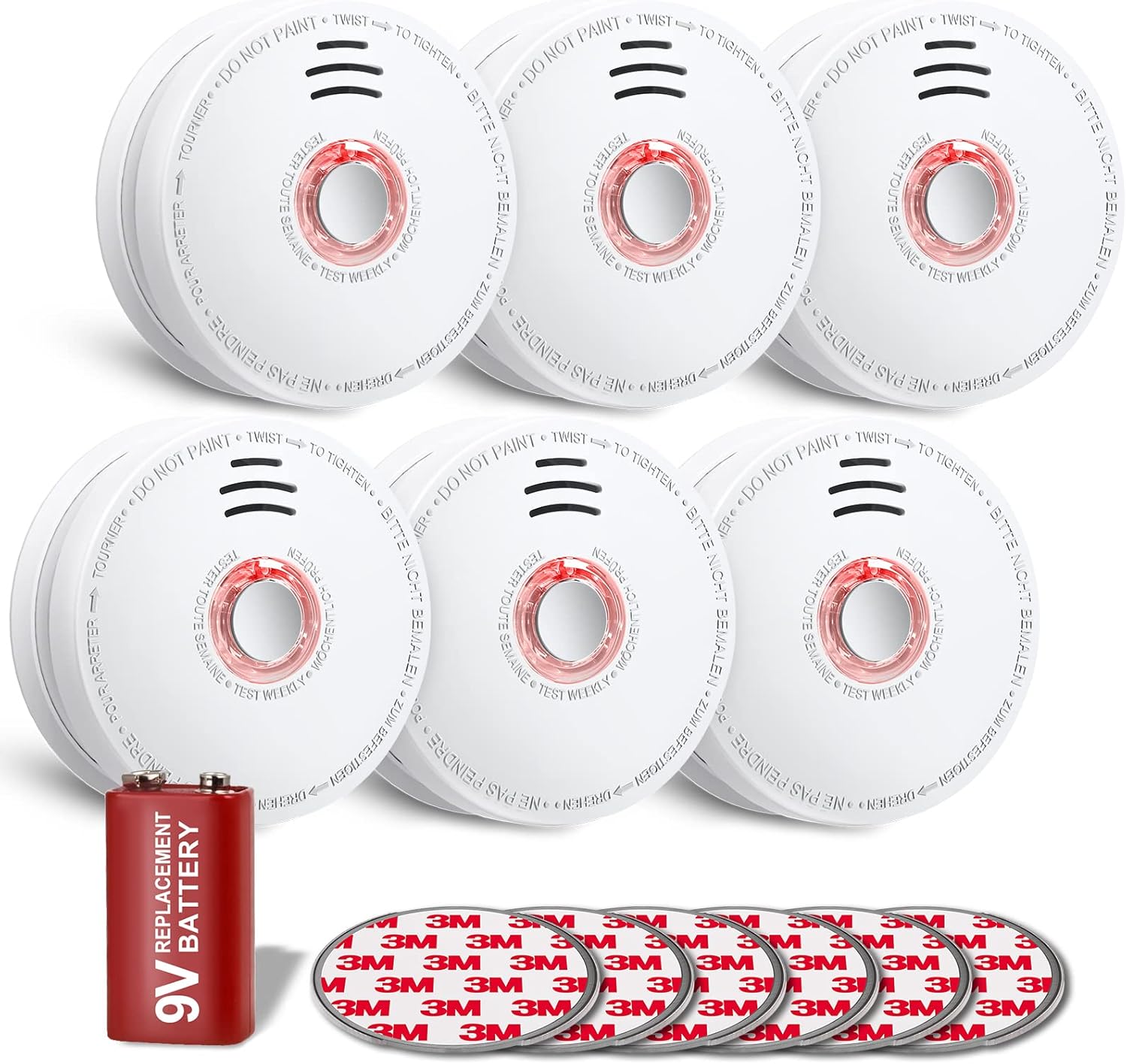
SITERWELL Smoke Detector with magnetic mounting kit
SITERWELL
Mid-Range
Kidde 10-Year Battery Smoke Detector with LED indicators
Kidde
Budget
Kidde Wireless Smoke Detector AA Battery Operated
Kidde
Mid-Range
SITERWELL 10-year Photoelectric Smoke Detector with Magnetic Mount (GS509A) 2-Pack
SITERWELL
Budget
Safe T Alert 30-442-P-BR Classic Propane/LP Gas Alarm, 12V
Marine Technologies
Mid-Range
X-Sense 10-year battery smoke alarm (SD2J0AX) – pack of 5
X-Sense
Mid-Range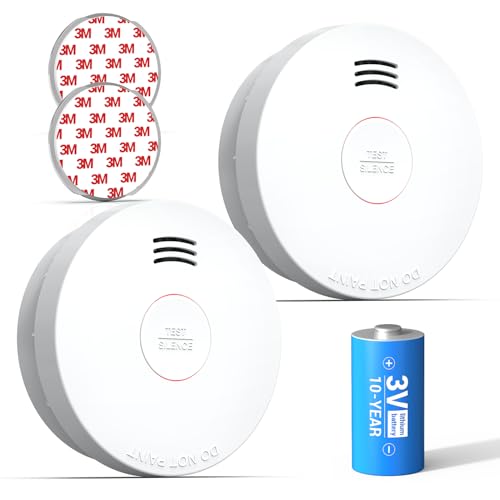
SITERWELL 10-year Battery Photoelectric Smoke Detector (GS525A) 2 Pack
SITERWELL
Budget
First Alert SMI100-AC Interconnect Smoke Alarm (3-Pack)
First Alert
Mid-Range
First Alert SMI100 Battery-Operated Smoke Alarm (3-Pack)
First Alert
Mid-Range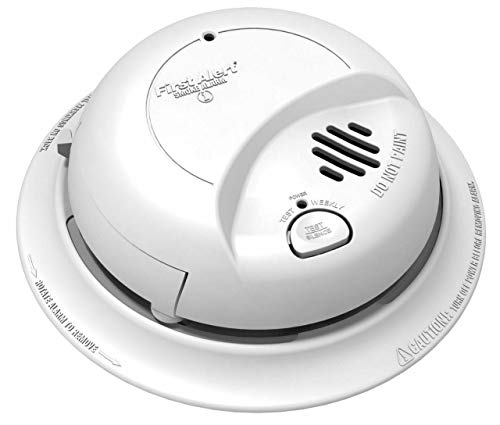
First Alert 9120B Smoke Detector, Hardwired with Battery Backup
First Alert
Mid-Range
First Alert 9120B hardwired smoke detector (3-pack)
First Alert
Mid-Range
Smoke Detector Fire Alarm Battery Powered with Photoelectric Sensor
Jemay
Mid-Range
Ecoey Smoke Alarm with photoelectric tech, 4-pack
Ecoey
Budget
Siterwell 10-year battery photoelectric smoke detector (4-pack)
SITERWELL
Mid-Range
Kidde Heat Detector with Battery Backup & Interconnect
Kidde
Mid-Range
Kidde 10-year battery smoke detector 2-pack
Kidde
Mid-Range
Ecoey 10-year battery smoke detector with photoelectric sensor
Ecoey
Budget
SITERWELL Smoke Detectors with Replaceable Battery (2-Pack)
SITERWELL
Budget
Interconnect hardwire smoke alarm with 10-year battery backup
First Alert
Mid-Range
Kidde Hardwired Smoke Detector w/ Battery Backup (2 Pack)
Kidde
Mid-Range
SITERWELL 10-year photoelectric smoke detector with magnetic mounting
SITERWELL
Mid-RangeRoundups
Frequently Asked Questions
How do I choose between battery-powered, hardwired, and hybrid smoke detectors?
Choose battery-powered units for easy installation and locations without wiring; pick hardwired models if you want integrated home systems and consistent power (they often have battery backup); hybrid or dual-powered options combine both for redundancy. Consider building codes and whether you need interconnectivity across multiple alarms
What sensor types should I look for—ionization, photoelectric, or dual-sensor?
Photoelectric sensors detect smoky, smoldering fires faster and are better for living rooms and bedrooms; ionization sensors respond quicker to fast-flaming fires and can be more sensitive to small particles; dual-sensor alarms include both technologies for broader detection coverage
Do smart or interconnected alarms improve safety, and what features matter?
Interconnected alarms that sound all units when one detects smoke improve early warning across the home; smart alarms add features like smartphone alerts, silence functions, and integration with home automation. Prioritize reliable communication protocols, battery backup, and clear alert testing functions
How long do smoke detectors last and what maintenance is required?
Most smoke detectors have a 7–10 year service life and should be replaced after that period; test alarms monthly, replace batteries at least once a year (or follow the manufacturer's sealed-battery guidance), and vacuum or dust units periodically to prevent false alarms and maintain sensitivity
What certifications and standards should I check before buying?
Look for compliance with recognized safety standards such as UL (Underwriters Laboratories) or equivalent regional certifications, and ensure models meet local building codes. For carbon monoxide combo units, check for CO-specific certifications as well
Are there reliable budget options and what trade-offs should I expect?
Budget alarms typically cost under $50 and can provide basic, code-compliant detection, but trade-offs may include fewer sensor types (single-sensor only), limited interconnectivity, shorter warranties, and fewer smart features compared with higher-priced models
How do I determine the right number and placement of alarms in a building?
Install smoke alarms inside each bedroom, outside sleeping areas, and on every level of the home including basements; place detectors on ceilings or high on walls away from corners, windows, doors, and HVAC vents, and follow local codes or a certified electrician for exact placement in commercial or complex layouts