Snatch Rigging Blocks
Snatch rigging blocks are heavy-duty pulley devices used for redirecting rope or cable loads in lifting, towing, and rigging tasks, available in single- and multi-sheave configurations. This Tools & Industrial category indexes 11 products (avg rating 4.59) with mid-range pricing (about $33–$230, avg $84) and brands like Mytee Products represented
Top Products

Snatch Block with Hook, 2 Ton, 3" Sheave, 3/8" Rope
Mytee Products
Mid-Range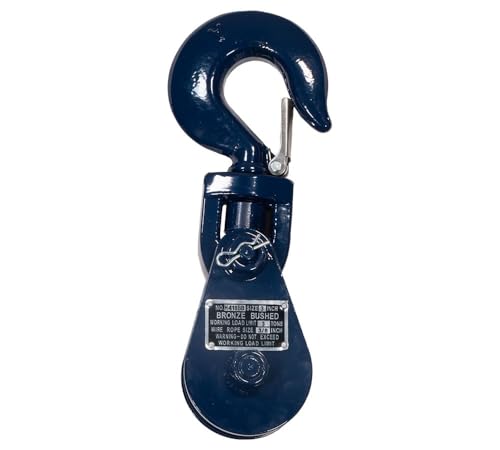
Mytee snatch block with hook, 3-ton wll, 3" sheave
Mytee Products
Mid-Range
Mytee Snatch Block with Hook WLL 4 Ton, 4 1/4" Sheave, 1/2" Wire Rope
Mytee Products
Mid-Range
Rocaris 2 Pack M75 Single Pulley Block, 1700lbs, 304 stainless
Rocaris
Budget
Cable pulley wheel wall mount with duplex bearings
SHINICO
Budget
Rocaris M20 Pulley Block 20-pack stainless steel
Rocaris
Mid-Range
Twin sheave block and tackle 1/2" x 100ft with braided rope
VEVOR
Mid-Range
(2 Pack) Snatch Block with Hook 4 Ton 4-1/4" Sheave 1/2" Wire Rope
Mytee Products
Premium
VEVOR Twin Sheave Block and Tackle 1/2" x 150Ft
VEVOR
Mid-Range
Mytee Snatch Block with Shackle 8 Ton, 3/4" Rope, 6" Sheave (2 Pack)
Mytee Products
Premium
VEVOR Twin Sheave Block and Tackle 1/2 in x 200 ft
VEVOR
PremiumRoundups
- Best Snatch Rigging Blocks for Vehicle Recovery (2026)
- Best Snatch Rigging Blocks for Log Extraction (2026)
- Best Snatch Rigging Blocks for Deer Lifting (2026)
- Best Snatch Rigging Blocks for Off-Road Recovery (2026)
- Best Snatch Rigging Blocks Under $200 (2026)
- Best Snatch Rigging Blocks Under $100 (2026)
- Best Snatch Rigging Blocks Under $50 (2026)
- Best Snatch Rigging Blocks (2026 Guide)
Frequently Asked Questions
What is a snatch rigging block and when should I use one?
A snatch rigging block is a pulley with a side-opening shell designed to accept a rope or strap without threading the end; use it to change rope direction, increase mechanical advantage, or reroute lines during lifting, towing, or rigging where quick engagement is needed
How do I choose the right size and working load limit (WLL)?
Match the block's sheave diameter and WLL to the rope diameter and the maximum load you expect; ensure the WLL exceeds the maximum working load with a suitable safety margin and that the sheave accommodates your rope size to avoid excessive wear
What materials and construction features should I look for?
Look for corrosion-resistant materials (stainless steel or coated steel) and sealed bearings or bushings for smooth rotation; durable side plates, a secure latch on the snatch opening, and rated attachment points (shackle or swivel) are important for safety and longevity
Are there compatibility considerations for ropes and straps?
Yes — verify the block's sheave diameter and groove profile match your rope type (synthetic, wire, or fiber) and diameter; using a rope that is too small or too large increases wear and reduces efficiency
How should I inspect and maintain a snatch rigging block?
Regularly inspect for cracks, deformation, corrosion, worn sheaves, and damaged latches; lubricate bearings per manufacturer guidance, replace worn components, and remove the block from service if any structural damage or excessive play is found
What safety factors or standards should I check?
Choose blocks with a clearly marked Working Load Limit (WLL) and conforming identification; follow industry safety factors (typically 5:1 or as specified for your application) and applicable rigging standards or regulations for your region
How does using a snatch block affect mechanical advantage and rope life?
A snatch block can double mechanical advantage when used as a pulley in a single-line change, reducing load on the winch but increasing rope travel; however, additional bends and sheave contact increase rope wear, so use larger sheave diameters and proper alignment to minimize abrasion