Solder
This Solder category covers soldering tools and consumables such as solder wire, flux, and soldering paste used for electronics and plumbing repairs. Indexed products average a 4.68 rating with prices ranging about $35–$130, and notable brands include Kester
Top Products
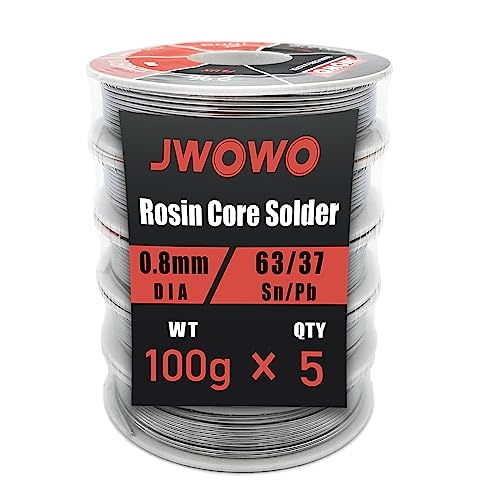
Rosin core solder wire 0.8mm 100g 5 pack
JWOWO
Budget
Kester 24-6337-8800 Rosin Cored Wire Solder Roll, 245 No-Clean, 63/37, 0.031"
Kester
Mid-Range
AIM Lead-Free Plumbing Solder 0.125" Dia 1 Lb
AIM Solder
Budget
Kester Solder Roll 66 Core 0.050" Diameter
Kester
Budget
Kester 24-6337-0010 Rosin Core Solder 63/37 .020 1 lb
Kester
Mid-Range
Kester 44 Lead Solder Wire - 1 lb, 0.062 in, Sn/Pb flux core
Kester
Mid-Range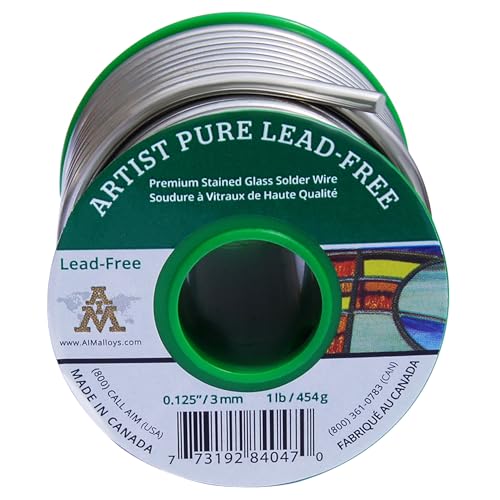
AIM Artist Lead-Free Stained Glass Solder, 0.125in, 1lb
AIM
Mid-Range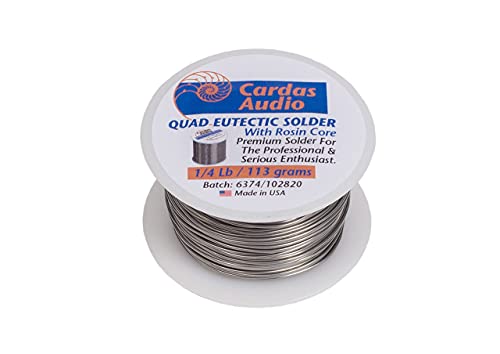
Cardas quad eutectic silver solder wire 1/4 lb
Cardas
Mid-Range
AIM Solder Lead Free Rosin Core Solder Wire 0.062in 1lb
AIM
Budget
Lead-Free Solder Wire Sn99.3Cu0.7 16oz, 217C, RoHS
ZHUOBAO
Mid-Range
Canfield 60/40 solder for stained glass 4 Lb pack
Canfield
Mid-Range
Safe-Flo 29025 Wire Solder for copper plumbing
Oatey
Mid-Range
Canfield 60/40 solder for stained glass (Two Pack)
Canfield
Mid-Range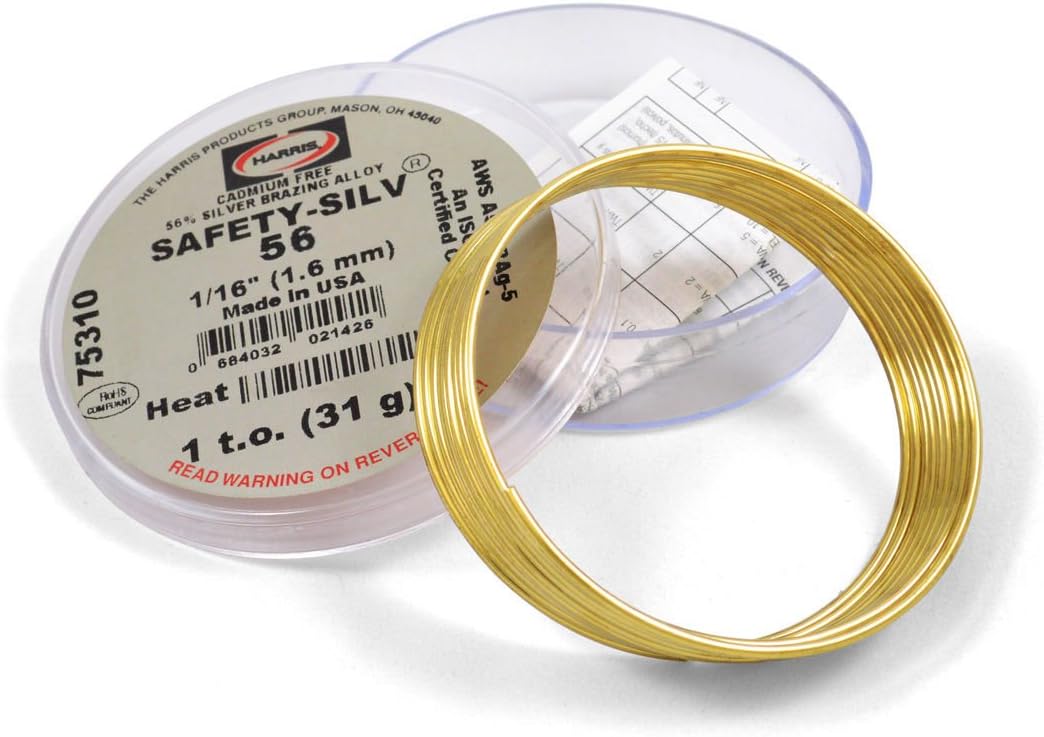
Harris Safety-Silv 56% 1/16" Silver Solder Brazing Alloy, 1 oz
HARRIS
Mid-Range
SIL-FOS 15% Silver Solder 7 Sticks
Lucas Milhaupt
Mid-Range
60/40 Solder for Stained Glass, 1/8" dia, 2 lb Spool
JWOWO
Mid-Range
Kester 44 Lead Solder Wire 1 lb 0.025 in
Kester
Mid-Range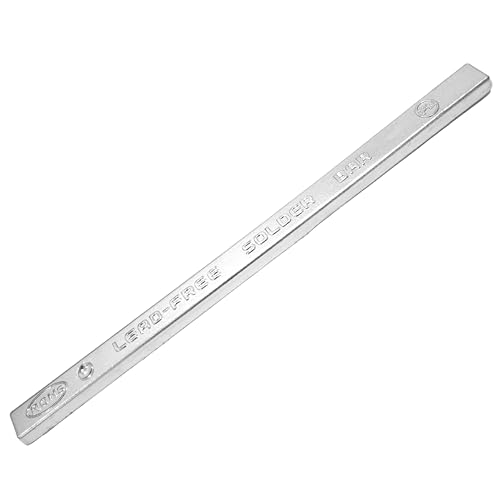
Lead-Free Solder Bar, Pure Tin 99.99% (1 lb) 454 g5 g
ouwinway
Mid-Range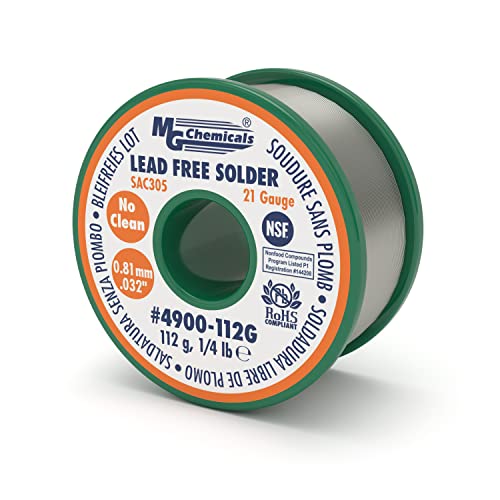
MG Chemicals 4900 SAC305 lead-free solder wire 0.032"
MG Chemicals
Mid-Range
60/40 Solder for stained glass, 3mm dia, 4 lb pack by ANOSON
ANOSON
Mid-Range
Kester 24-9574-7618 K100Ld Lead-Free No Clean Wire Solder 0.031"
Kester
Mid-Range
60/40 solder for stained glass 4 lb pack
HGMZZQ
Mid-Range
60/40 Solder for stained glass wire (4LB) wyunway
wyunway
Mid-Range
Solder Lead Free Rosin Core Wire 0.032" 1lb AIM
AIM
BudgetRoundups
Frequently Asked Questions
What types of solder are available and how do I choose the right one?
Common types are leaded (Sn63Pb37), lead-free (typically tin-silver-copper alloys), and specialty solders for high-temperature or electronics work; choose leaded for easier wetting and lower melting point when allowed, lead-free for regulatory or health reasons, and select flux core or separate flux depending on joint cleanliness and application
What solder diameter and flux core should I use for electronics versus plumbing or heavy-duty metalwork?
For electronics, thin wire (0.020–0.040 in / 0.5–1.0 mm) with a rosin-based flux core is common; for general-purpose or larger joints use 0.06–0.12 in (1.5–3.0 mm) or larger and stronger fluxes; plumbing and HVAC require plumbing-grade solder and flux or brazing rods rated for higher temperatures
How important is flux and what type should I pick?
Flux removes oxides and improves solder flow; rosin-based (R, RMA, RA) fluxes are typical for electronics, with R (rosin) being least active and RA being most active; water-soluble fluxes clean more thoroughly but require rinsing, while no-clean fluxes leave minimal residue
Are there safety and handling considerations I should follow when using solder?
Work in a well-ventilated area or use fume extraction, wash hands after handling leaded solder, avoid inhaling flux fumes, use eye protection and heat-resistant tools, and follow local regulations for disposal of waste solder and flux residues
How do I store solder and how long does it last?
Store solder and flux in a cool, dry place away from direct sunlight; unopened solder wire lasts years, while flux and paste have manufacturer-specified shelf lives—typically months to a couple of years—and may require refrigeration for longer life per product instructions
What tools and accessories should I budget for alongside solder wire?
Expect to also need a temperature-controlled soldering iron or station, soldering tip cleaner and spare tips, flux (paste or liquid), desoldering braid or pump, and basic hand tools like tweezers and cutters; entry-level setups commonly fall under modest budgets while professional stations cost more
How can I tell if a solder joint is good or if it needs rework?
A good solder joint is shiny (for rosin flux), smooth, fully wets both surfaces without gaps or excess solder, and is mechanically sound; dull, grainy, or cracked joints, or joints with excess flux residue or bridging, should be reheated, cleaned, and redone