Square Nose End Mills
Square nose end mills are solid-carbide and high-speed steel cutting tools used for milling square slots, shoulders, and profiles in metals and plastics. The category includes about 50 products, with prices ranging from $32 to $138 (average ~(price varies)) and an average rating of 4.46; brands include Accusize Co., Ltd. and SPEED TIGER
Top Products
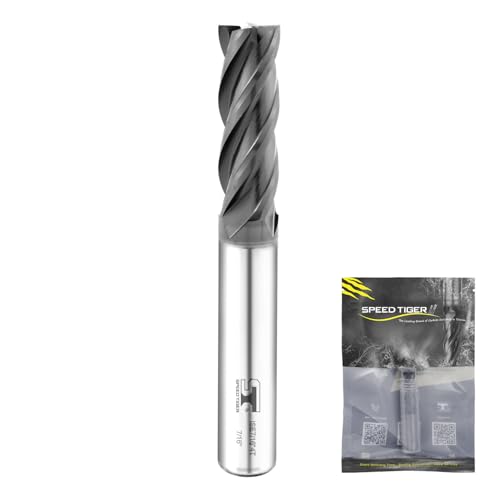
SPEED TIGER 7/16" Micrograin Carbide Square End Mill - 4 Flutes
SPEED TIGER
Budget
SPEED TIGER 4-flute carbide square end mill 1/2"
SPEED TIGER
Budget
SPEED TIGER Micrograin Carbide Square End Mill, 4 Flute, 3/16" (5 Pcs)
SPEED TIGER
Mid-Range
SPEED TIGER Micrograin Carbide Square End Mill 4 Flute 1/4"
SPEED TIGER
Mid-Range
Accusize M42 cobalt roughing end mill, 3/4'' dia, 1-5/8'' fluted length
Accusize Co., Ltd.
Mid-Range
SPEED TIGER 2 Flute Carbide Square End Mill 3/16" ISE3/16 2T
SPEED TIGER
Budget
2pcs 3/8'' carbide end mill bits set, 2-1/2'' oal, 4-flute
Maclix
Budget
Accusize M42 8% Co/TiAlN Roughing End Mill, 5/8" x 5/8" x 1-5/8" FL
Accusize Co., Ltd.
Mid-Range
SPEED TIGER Carbide Square End Mill 3 Flute 1/2" U-Type Design
SPEED TIGER
Mid-Range
SPEED TIGER Micrograin Carbide Square End Mill, 4 Flute, 5/8"
SPEED TIGER
Mid-Range
SPEED TIGER Micrograin Carbide Square End Mill, 2 Flute, 1/4"
SPEED TIGER
Mid-Range
Tools DLC Series Carbide End Mill with DLC coating
WEXWE
Mid-Range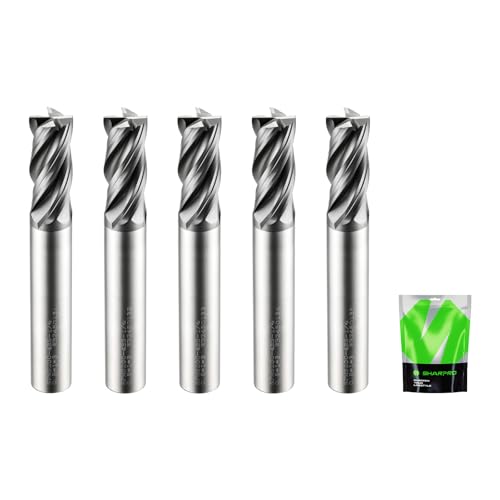
SHAPPRO 1/4 inch shank carbide square end mill, 4 flute
SHARPRO
Mid-Range
ISB 3/16'' carbide square end mill set, 4-flute micro grain carbide bits, alloy steels
XYunEnZ
Budget
1/2" Carbide Roughing End Mill, 4 Flute, 3" OAL
sisona
Mid-Range
5Pcs 3/16" Solid Carbide Square Nose End Mills Set
AYCHOLIZ
Budget
2pcs 1/2in Carbide End Mill Set, 3in OAL, 4 Flutes, for alloy/cast iron
Maclix
Mid-Range
1/2" Extra Long Carbide End Mill, 4 flute, square end
Lzcdelyxiao
Budget
SHAPPRO 5/16 Shank Carbide End Mill 4-Flute
SHARPRO
Mid-Range
1" x 1" HSS 4-flute end mill, center cutting, DWC series
Drill America
Budget
Accusize 1/2'' TiAlN M42 8% Co Roughing End Mill, 4-flute
Accusize Co., Ltd.
Budget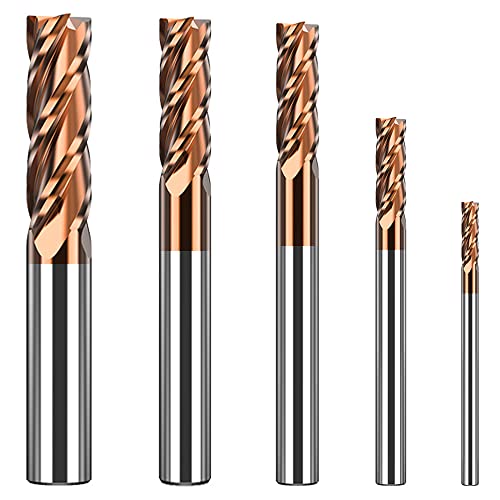
Carbide end mills set, solid tungsten carbide with TiN coating
KEHAOU
Mid-Range
LU&MN Carbide End Mills Set, square nose, 4-flute, 1/4 in shank
LU&MN
Budget
1" x 3/4" HSS 4-flute end mill, center cutting, DWC
Drill America
BudgetRoundups
- Best Square Nose End Mills for Pre-Hardened Steels (2026)
- Best Square Nose End Mills for Machining Alloy Steels (2026)
- Best Square Nose End Mills for Milling Cast Iron (2026)
- Best Square Nose End Mills for Milling Alloy Steels (2026)
- Best Square Nose End Mills Under $200 (2026)
- Best Square Nose End Mills Under $100 (2026)
- Best Square Nose End Mills Under $50 (2026)
- Best Square Nose End Mills (2026 Guide)
Frequently Asked Questions
How do I choose the right size and flute count for a square nose end mill?
Select diameter based on the slot or pocket width and the machine/toolholder capacity; choose flute count by material—fewer flutes (1–3) for softer materials and better chip clearance, more flutes (4+) for harder materials and higher feed rates while maintaining chip evacuation
What material and coating should I pick for cutting steel, aluminum, or stainless steel?
Use high-speed steel (HSS) or cobalt HSS for general-purpose and tougher alloys, carbide for harder steels and higher-speed operations; consider TiN/TiCN/TiAlN coatings to increase wear resistance—uncoated carbide is common for aluminum to avoid built-up edge, while Al-specific geometries and coatings help chip control
What tolerances and surface finish can I expect from square nose end mills?
Tolerance depends on tool grade and manufacturer but typical general-purpose end mills offer ±0.001–0.005 inch; surface finish is affected by cutter geometry, flute count, coating, and cutting parameters—finishing passes at lower DOC and higher spindle speed yield better surface finishes
How should I set feeds and speeds to avoid tool breakage and extend life?
Start with manufacturer-recommended chip load per tooth for the material and tool diameter, adjust spindle speed so chip load × RPM × number of flutes equals desired feed rate, reduce depth of cut or speed for chatter or excessive heat, and use proper coolant/lubrication for the workpiece material
What toolholder and runout considerations matter for square nose end mills?
Use a rigid, high-precision holder with minimal runout—collet or shrink-fit holders are common; excessive radial runout increases wear and poor finish, so ensure proper tool clamping and regularly check spindle and holder condition
How do I maintain and store end mills to maximize lifetime?
Clean chips/residue after use, avoid dropping or nicking the cutting edges, store in dedicated racks or protective sleeves to prevent contact damage, and inspect for wear or chipping before reuse; regrind carbide tools if geometry allows and cost-effective
Are there budget-friendly options and what trade-offs should I expect?
Lower-cost end mills typically use standard carbide grades and basic coatings with looser tolerances; they are suitable for occasional use but may wear faster and provide less consistent finish compared with premium grades designed for high-speed or production environments