Sump Pumps
Sump pumps for residential and light-commercial water removal, including submersible, pedestal, and utility models for basements, crawlspaces, and sumps. Category spans budget to mid-range options (about $33–$255, avg $96) with brands like Wayne commonly represented and an average rating of 4.38 across 82 indexed products
Top Products

Superior Pump 91250 1800GPH Thermoplastic Submersible Utility Pump
Superior Pump
Mid-Range
Pool Cover Pump above Ground - Submersible Sump Pump
AgiiMan
Budget
Pool Cover Pump Above Ground – 850 GPH Submersible
AgiiMan
Budget
VCMA-20ULS condensate pump for HVAC/dehumidifiers
Little Giant
Mid-Range
Sump Pump 950GPH Submersible with 16ft Hose, 25ft Cord
Lnicez
Mid-Range
Pool cover pump above ground 850 GPH
AgiiMan
Budget
Little Giant condensate pump 1/30 HP with overflow switch
Little Giant
Mid-Range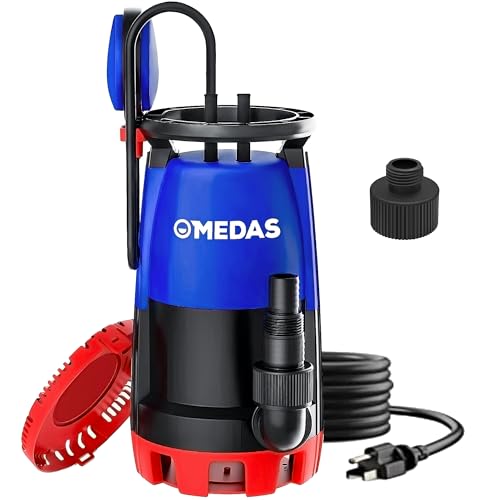
MEDAS 3 in 1 750W submersible pump with float switch
MEDAS
Mid-Range
Sump Pump 1/2HP Submersible Utility Pump 2500GPH, 16.4ft cord
FLUENTPOWER
Mid-Range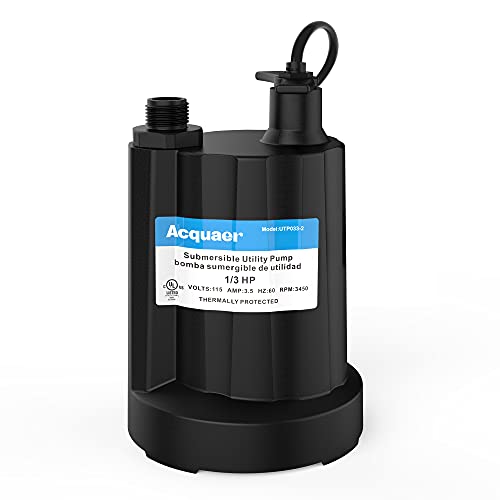
Acquaer 1/3 HP Submersible Utility Pump
Acquaer
Mid-Range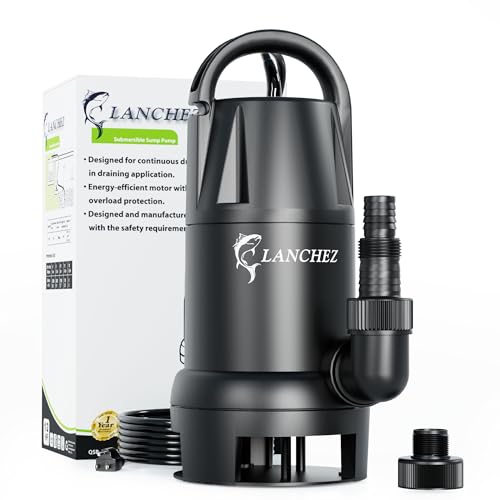
1/2 HP Submersible Sump Pump with 2394 GPH and adapters
LANCHEZ
Mid-Range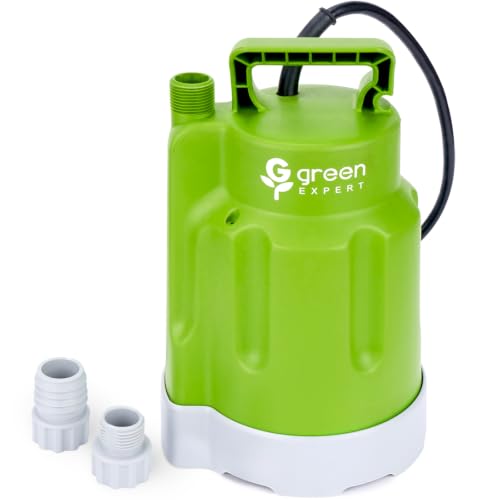
Green Expert 1/4HP Submersible Sump Pump
G green EXPERT
Mid-Range
Portable submersible utility pump 1/6 HP with 10-ft cord
6699
Mid-Range
FOTING 3/4HP Sump Pump 4300GPH Submersible with Float Switch
FOTING
Mid-Range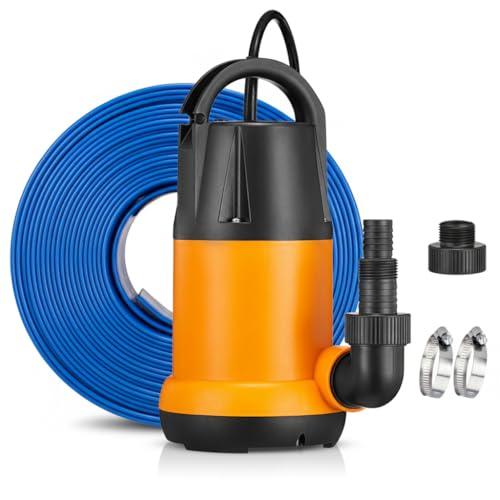
Submersible Sump Pump with 25ft Hose and Cord
RainBro
Mid-Range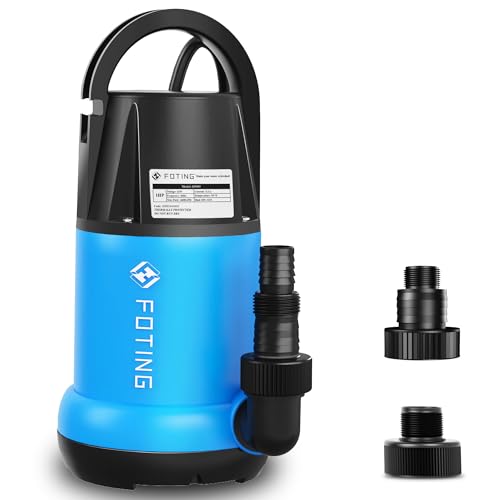
FOTING 1HP Submersible Sump Pump — 4600 GPH, 10ft cord
FOTING
Mid-Range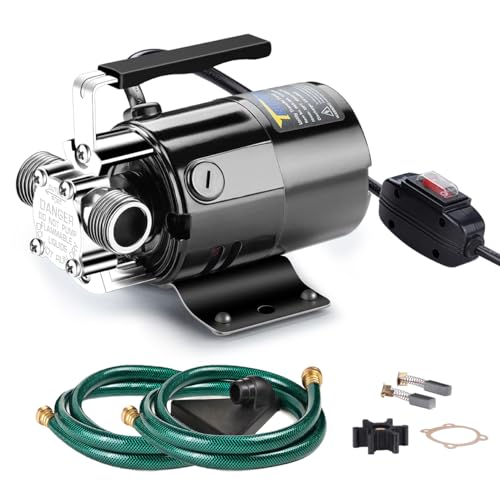
Water Transfer Pump 110v 1/10HP 330GPH with 2x6ft Hoses
TRUPOW
Mid-Range
Sump Pump 2/5HP Submersible with Float Switch
BOMGIE
Budget
Sump Pump 1/4 HP 2000GPH Submersible Utility Water Pump
Tenzzola
Mid-Range
FLUENTPOWER 3/4HP Submersible Sump Pump 3300GPH
FLUENTPOWER
Mid-Range
FOTING 1.5HP Sump Pump with Float Switch
FOTING
Mid-Range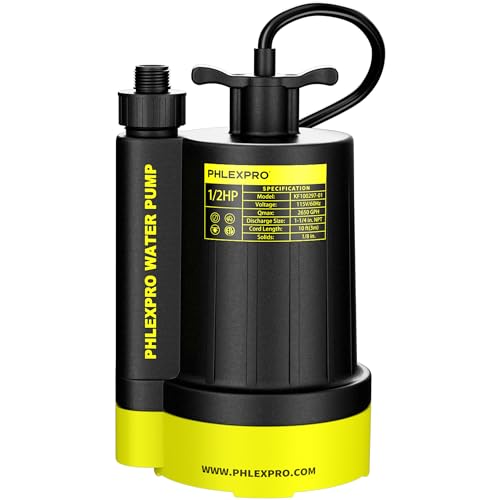
1/2HP Submersible Sump Pump, 2650 GPH, PHLEX PRO (Green)
PHLEX PRO
Mid-Range
Sump Pump 1/3 HP Submersible Utility Water Pump, 2400GPH
Tenzzola
Mid-Range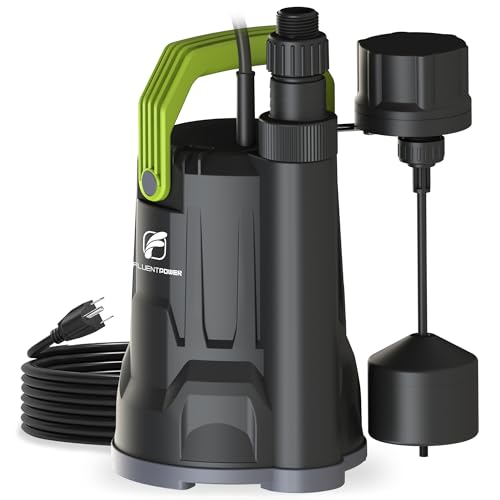
FLUENTPOWER Sump Pump 3/4 HP Submersible with 3000 GPH
FLUENTPOWER
Mid-RangeRoundups
Frequently Asked Questions
How do I choose between a submersible and a pedestal sump pump?
Choose a submersible pump if you want a unit that sits inside the sump basin and handles higher water levels with quieter operation; choose a pedestal pump if you need easier access for maintenance and a motor kept above the basin, typically for lighter-duty pumping
What pump capacity and horsepower do I need for a typical basement?
Select based on flow rate (gallons per minute or hour) and head (vertical lift). For most basements, a 1/3 to 1/2 HP pump with a 30–50 feet head rating and a flow of 2,500–4,000 GPH at low head is adequate; larger basins or long discharge runs may require higher capacity
How important is the float switch type and what options are common?
Float switches control automatic operation; common types include tethered floats, vertical floats, and electronic level sensors. Vertical or electronic sensors tend to be more reliable in tight basins or with debris, while tethered floats are simple and work in larger, unobstructed basins
What features improve pump longevity and prevent clogging?
Look for features such as a solids-handling impeller, corrosion-resistant materials (stainless steel or thermoplastics), and a removable strainer or screen. Regular inspection, clearing debris from the basin, and using a check valve on the discharge line also reduce wear and clogging
How do I size the discharge pipe and what about check valves?
Match the pump discharge outlet size (commonly 1-1/4" to 2") to avoid restricting flow; use smooth, rigid piping for longer runs. Install a full-port check valve near the pump to prevent backflow and short cycling, and position it so it is accessible for maintenance
What power and safety considerations should I know before installation?
Ensure the pump is connected to a properly grounded circuit with an appropriate circuit breaker and GFCI protection if required by local code; avoid using extension cords, and consider a dedicated circuit to prevent overloads during heavy use
How often should I maintain a sump pump and what does maintenance involve?
Inspect and test the pump every 3–6 months: check the power connection, exercise the float switch, clear debris from the basin and inlet, inspect the discharge line and check valve, and replace worn seals or cords as needed