Table Saws
This category covers stationary and jobsite table saws for woodworking and construction tasks, spanning budget through mid‑range options with prices averaging about (price varies). Twelve products are indexed with an average rating of 4.53, and top brands include Nicklaua among others
Top Products

DEWALT 8-1/4 in Portable Table Saw with Stand (DWE7485WS)
DEWALT
Premium
SKIL 15 Amp 10 In Portable Jobsite Table Saw with Folding Stand
Skil
Premium
Mini Table Saw with Dual Motors, 4 Blades, 7.1" x 5.5"
RTOVZON
Mid-Range
Mini Table Saw with Dual 795 Motors and Adjustable Height
Zericuf
Premium
Mini table saw for crafts with adjustable cutting angle & depth
MIMYTH
Premium
Mini table saw with dual motors for precision crafting
Nicklaua
Premium
Mini multi functional table saw with adjustable height
Nicklaua
Mid-Range
Evolution R10TS 10" Jobsite Table Saw with 15A Motor
EVOLUTION
Premium
VEVOR 10-inch Jobsite Table Saw with 25-in Rip Capacity
VEVOR
Premium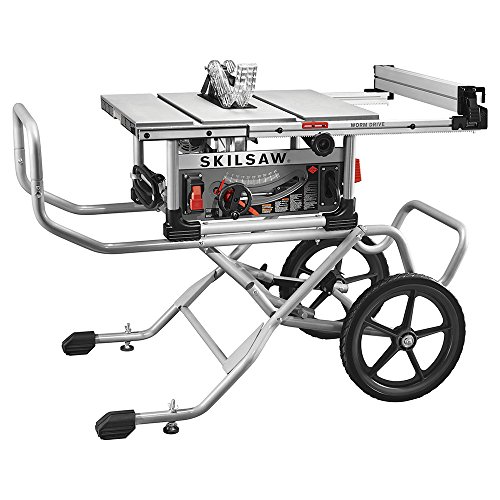
SKIL 10 Inch Worm Drive Table Saw with Stand
SKILSAW
Premium
Hi-Tech Diamond 6" Lapidary Saw with Two Diamond Blades
Hi-Tech Diamond
Premium
Evolution 10" Jobsite Table Saw with Scissor Stand
EVOLUTION
PremiumRoundups
Frequently Asked Questions
How do I choose the right table saw for my projects and skill level?
Match the saw type and power to your needs: benchtop or compact portable models suit hobbyists and light jobs, contractor or hybrid saws balance portability and stability for workshop use, and cabinet saws offer the highest power and dust control for heavy-duty professional work. Consider blade diameter, motor horsepower, fence accuracy, cutting capacity (rip and crosscut), and available workspace
What safety features should I look for on a table saw?
Prioritize a riving knife or splitter to reduce kickback, a reliable blade guard, anti-kickback pawls, and a flesh-sensing brake if within budget. Also look for a clear, easy-to-reach emergency stop or paddle switch and a stable fence and table to prevent binding and misfeeds
What size blade and motor power do I need for common cuts?
A 10-inch blade is the most common and provides a good balance of capacity and parts availability; 8-1/4 inch or 12-inch blades appear on some models. For light hobby work a motor around 1–1.5 HP is often sufficient, while cabinet and heavy-duty contractor saws typically use 2 HP or more for ripping hardwoods and continuous heavy use
How important is fence accuracy and what fence types are best?
A precise, square, and easy-to-lock fence is crucial for accurate rip cuts; T-square and parallel fence systems are commonly preferred for stability and repeatability. Look for fences with minimal deflection, easy micro-adjustment, and a long locking bar to maintain consistent alignment on wider ripping operations
What maintenance and care does a table saw need to stay accurate and safe?
Keep the table surface clean and waxed to prevent rust and improve material feed, regularly check and align the blade and fence, inspect/reset the riving knife and blade guard after blade changes, and sharpen or replace blades as needed. Also maintain motor brushes (if applicable), clean dust collection ports, and periodically check belt tension on belt-driven models
How do I pick the right blade for different materials and cuts?
Select blade tooth count and geometry for the material and cut: lower-tooth blades (24–40 teeth) cut faster and are good for ripping, higher-tooth blades (60–80+ teeth) produce smoother crosscuts and fine work, and specialized carbide-tipped blades or abrasive blades are used for metals, laminates, or abrasive materials. Match blade diameter, arbor size, and RPM rating to the saw
What should I consider about dust collection and workspace setup?
Choose a saw with a dust port compatible with your shop vacuum or dust collector, and plan table clearance for outfeed and crosscut support. Good dust collection reduces cleanup, improves visibility of the cut line, and reduces respiratory hazards—use a hooded shroud around the blade when possible and position the saw to allow safe material handling