Tap Extractors
Tap extractors for removing broken or seized taps and fasteners, including spiral and spline designs, sold as individual extractors and multi-piece sets. Products span budget to mid-range prices (about $33–$265, average ~(price varies)) with brands like XEWEA among top listings. Average customer rating is 4.37 across 60 indexed items
Top Products

REXBETI 26-piece bolt extractor & cobalt drill bit set
REXBETI
Budget
Topec 10-Piece Spiral Deep Extractor Set
Topec
Budget
REXBETI 41-Piece Bolt Extractor Set with Case
REXBETI
Mid-Range
XEWEA 21Pcs Bolt Nut Extractor Set 3/8" Drive
XEWEA
Budget
XEWEA 14-Piece Bolt Extractor Set 3/8" Drive
XEWEA
Budget
14-Piece 1/2in Tap Extractor Set by YEKEPRO
YEKEPRO
Mid-Range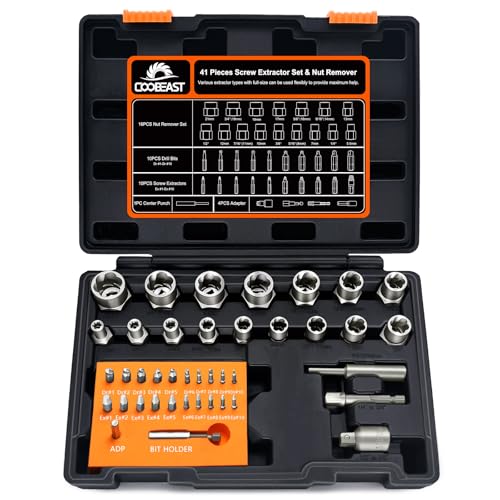
41Pcs Bolt Extractor Kit and Small Screw Extractor Set
coobeast
Mid-Range
26-Piece Screw & Drill Bit Set with bolt extractors
RIMKOLO
Budget
Mayhew Pro 37331 4-Piece Screw Extractor Set
Mayhew
Mid-Range
16pcs bolt extractor set for stripped bolts
XEWEA
Mid-Range
Topec 25Pcs Screw Extractor Set - Hex Head Multi-Spline Extractor
Topec
Budget
Bolt extractor set, 1/2 in drive, 16 pcs
YEKEPRO
Mid-Range
Combo bolt extractor kit with offset wrenches, 6- and 14-piece sets
YIYEIE
Mid-Range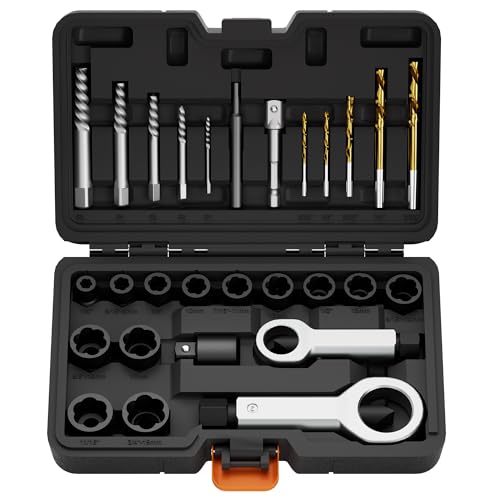
Bolt extractor set for broken bolts and screws
YEKEPRO
Mid-Range
Bolt extractor kit with left-hand drill bits
coobeast
Mid-Range
25-Piece Screw Extractor Set with Multi-spline Design
RIMKOLO
Mid-Range
NEIKO 04204A Hex-Head Multispline Screw Extractor Set, 25 Pieces
NEIKO
Mid-Range
XEWEA 27-Piece Screw Extractor Set, 3/8in Drive
XEWEA
Mid-Range
Toolant 19pcs bolt extractor kit for damaged fasteners
toolant
Budget
Bolt extractor kit, 32-piece set for damaged bolts and nuts
GIREORAN
Mid-Range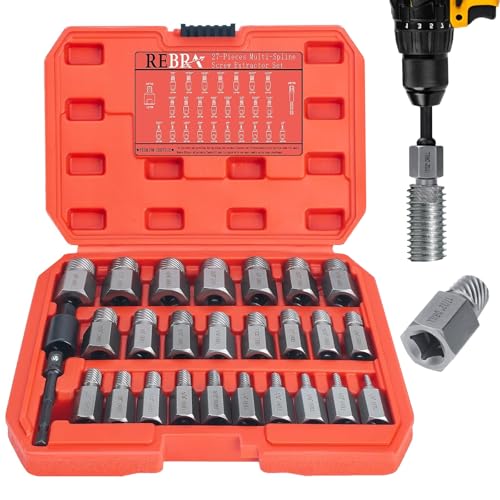
REBRA 27-Pieces Screw Extractor Set, 3/8" Hex Head Multi-Spline
REBRA
Budget
Topec 9-Piece Jumbo Spiral Flute Extractor Set
Topec
Mid-Range
TOPEC 18-Piece Screw Extractor & Left Hand Drill Bit Set
Topec
Budget
THINKWORK Bolt Extractor Kit, 32-Piece Nut Extractor Socket Set
THINKWORK
Mid-RangeRoundups
Frequently Asked Questions
What is a tap extractor and when should I use one?
A tap extractor is a tool designed to remove broken or seized taps (thread-cutting tools) from tapped holes; use one when a tap has fractured, is cross-threaded, or cannot be turned out with standard pliers or extractor taps
How do I choose the right tap extractor size or type?
Choose an extractor that matches the tap type and shank size—there are hook-style extractors for square-shank taps and spiral/crow's-foot types for fluted taps; many sets cover common sizes so match the extractor jaw or hook opening to the remaining tap geometry
What materials and build quality should I look for?
Pick extractors made from hardened alloy steel or tool steel that resist bending and wear; look for heat-treated, corrosion-resistant finishes and sturdy handles or adapters if you expect heavy-duty use
Are there safety or preparation steps before using a tap extractor?
Secure the workpiece, remove debris and apply penetrating oil to the tap, ensure the extractor engages solidly with the broken tool, and use steady, controlled turning to avoid cracking the workpiece or further breaking the tap
Can tap extractors damage threads or the workpiece?
If used improperly, extractors can score or enlarge threads; minimize risk by using the correct extractor type and size, working slowly, using lubrication, and stopping if the tap won’t budge to consider alternative methods like EDM, welding, or professional extraction
Should I buy a set or a single tap extractor?
A set is recommended for hobbyists or shops because it covers a range of tap sizes and types, while a single extractor can be cost-effective if you frequently work with one specific tap size or material
How should I maintain and store tap extractors to extend their life?
Clean extractors after use, remove chips and corrosion, lightly oil metal surfaces, inspect for wear or deformation, and store them in a protective case or rack to prevent damage and ensure accurate fit