Test Lab Tubes
Laboratory test tubes and related accessories for sampling, heating, and storage, offered in glass and plastic formats across 12 indexed products. Average rating is 4.50 with prices ranging roughly $33–$190 (average ~(price varies)); top brands include Thyle and TYQILIN
Top Products
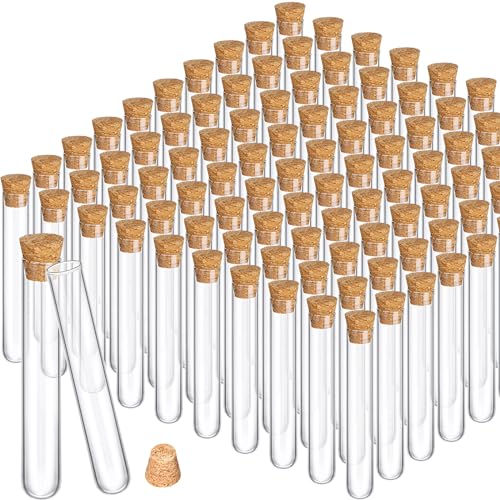
Thyle Glass Test Tubes with Cork Stoppers, 100 pcs
Thyle
Budget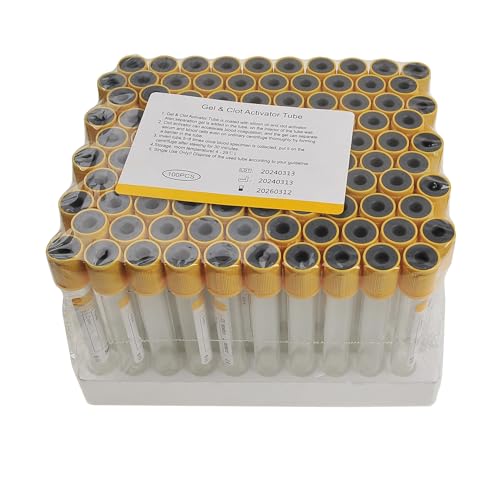
Pet vacuum blood collection tubes with coagulation citrate, veterinary 100 pcs
VNisenllc
Budget
Veterinary Lab Vacuum Blood Collection Tubes, 5ml, Red, 100pcs
Caphstion
Budget
Pet vacuum blood collection tubes for veterinary use, 5ml, 100pcs
VNisenllc
Budget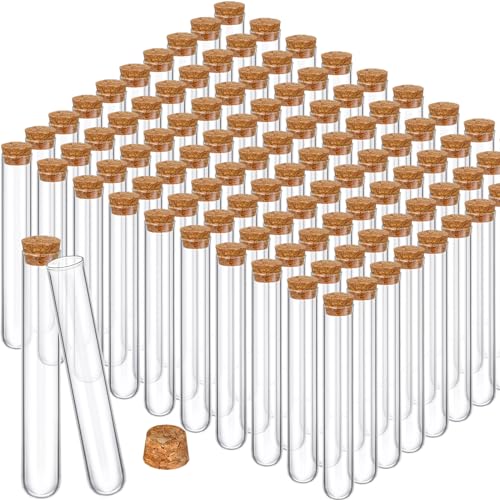
Thyle Glass Test Tubes with Cork Stoppers, 100 ct, 20x150mm
Thyle
Mid-Range
10ml PRP Gel Tubes with ACD Anticoagulant (10-pack)
Generic
Mid-Range
Xuhal 500 Pcs Test Tubes 10 ml with Caps, 16 x 100 mm, Clear Plastic
Xuhal
Budget
Konohan conical centrifuge tubes with blue caps, 15 ml (400 pack)
Konohan
Budget
Veterinary Lab Vacuum Blood Collection Tubes, 2ml Blue, 100pcs
TYQILIN
Mid-Range
Veterinary Lab Vacuum Blood Collection Tubes, 3ml Red, 100pcs
TYQILIN
Mid-Range
Electric urine warmer - maintains testing temp for 4 hours
BodyTemp98
Premium
50-Pack 10ml PRP Gel Tubes with ACD Anticoagulant
Generic
PremiumRoundups
Frequently Asked Questions
How do I choose the right type and size of test lab tubes for my application?
Select tubes based on material (glass for chemical resistance and heat tolerance, plastic for impact resistance and disposability), volume (common sizes 5–50 mL), and neck type (standard or screw-cap) to match your samples, temperature range, and compatibility with centrifuges or rack systems
What materials are available and how do they affect chemical compatibility and temperature limits?
Borosilicate glass offers broad chemical resistance and high-temperature use; soda-lime glass is less resistant and cheaper; polypropylene and polystyrene plastics resist many aqueous chemicals and are impact-resistant but have lower maximum temperatures and variable solvent compatibility
Are these lab tubes suitable for centrifugation and what should I check before using them in a centrifuge?
Only use tubes rated for centrifugation; check the manufacturer's maximum relative centrifugal force (RCF or g), tube shape and wall thickness for rotor fit, and ensure caps or seals are secure to prevent leaks during spin
How should I clean and sterilize reusable test tubes to maintain performance?
Clean with appropriate detergents and brushes, rinse thoroughly, and sterilize according to material limits—autoclave borosilicate glass and autoclavable plastics at specified temperatures, or use chemical sterilants for heat-sensitive plastics; inspect for cracks before reuse
What packaging and cap options should I consider for storage and transport?
Look for screw caps, snap caps, or silicone/PTFE-lined caps for chemical resistance and leak prevention; consider tubes sold in racks or foam inserts for organized storage and secure transport, and choose clear or amber tubes if light sensitivity is a concern
How does price vary across test lab tubes and what should I expect for quality versus cost?
Prices vary by material, volume, and brand; budget options can be under $50 for multi-packs of plastic tubes, while higher-quality borosilicate or certified sterile tubes cost more; prioritize material and ratings for applications needing chemical resistance or sterility
What labeling and measurement features are useful when selecting lab tubes?
Choose tubes with molded graduations or writable areas for consistent volume tracking, and consider pre-printed or erasable label surfaces and barcode-compatible options for inventory and sample management