Thermal Imagers
Thermal Imagers in Tools & Industrial include handheld and camera-style infrared devices for detecting heat patterns, electrical faults, insulation leaks, and mechanical wear. The category spans budget through premium units (48 products indexed, average rating 4.41) from brands like FLIR and Seek Thermal, with prices commonly ranging from $99 to $3,099
Top Products

HF96 Thermal Camera with Laser Pointer and 3-in-1 tool
HSFTOOLS
Premium
TOPDON TC004 Lite Thermal Imaging Camera
TOPDON
Premium
TOPDON TC004 Thermal Imaging Camera with 256x192 IR, 320x240 TISR
TOPDON
Premium
H128 Handheld Thermal Camera with 240x240 resolution
AMPBANK
Premium
TOPDON TC002 Thermal Camera for iOS
TOPDON
Premium
Finder S1 Thermal Camera for Android
HSFTOOLS
Mid-Range
FLIR ONE Gen 3 Thermal Imaging Camera for iOS (USB-C) - 1450x1080 IR
FLIR Systems
Premium
Flir One Thermal Imaging Camera for iOS (iPhone 14 and older) with 240x180 IR
FLIR
Premium
GOYOJO 256x192 Thermal Imaging Camera with Dual-Light Fusion
GOYOJO
Premium
F2W Thermal Camera 256x192 to 640x480 Super Resolution
HSFTOOLS
Premium
YXI96 Thermal Camera 240x240: 25Hz, temp alarm
Flagfront
Premium
InfiRay P2 Pro Thermal Camera for iPhone
InfiRay
Premium
Thermal Imaging Camera with WiFi 256x192 IR 3.2" Touch Screen
VEVOR
Premium
Thermal Imaging Camera for Android & iOS - 256x192 IR
VEVOR
Premium
TOPDON TC001 Plus Thermal Camera for Android
TOPDON
Premium
P1 Thermal Imaging Camera for USB-C iPhone and Android
Thermal Master
Premium
Finder S2 Android Thermal Imager with Super Resolution
HSFTOOLS
Premium
Teslong TTM120S Thermal Imaging Camera
Teslong
Premium
FLIR TG165-X Thermal Imaging Camera
FLIR
Premium
MILESEEY TR10 Thermal Imaging Camera
MiLESEEY
Premium
Thermal Camera for iPhone with Macro Lens, 512x384 IR, 15X Zoom
Thermal Master
Premium
BSIDE Thermal Imaging Camera 240x240, 15 Palettes, 25Hz
BSIDE
Premium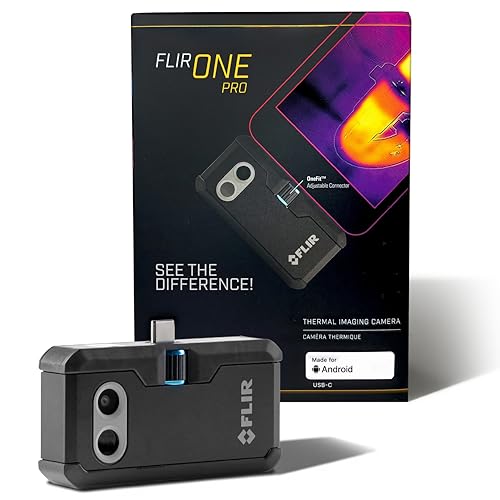
FLIR ONE Pro Thermal Imaging Camera for Android (USB-C)
FLIR
Premium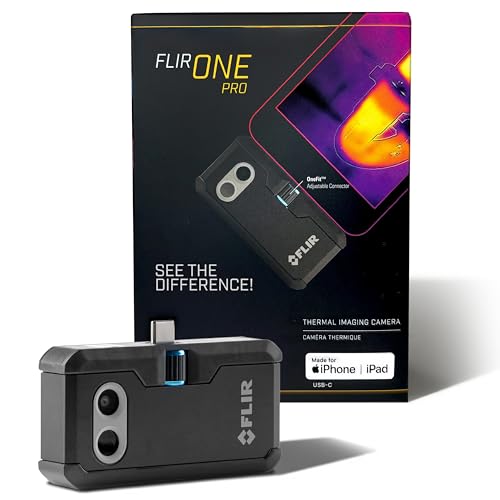
FLIR ONE Pro Thermal Imaging Camera for iOS (USB-C) 320x240
FLIR Systems
PremiumRoundups
Frequently Asked Questions
How do I choose the right thermal imager for home or industrial use?
Choose based on resolution (higher pixel count for detailed inspections), temperature range (match the temperatures you need to measure), sensitivity/NETD (lower numbers detect smaller temperature differences), field of view and optics (wider FOV for building scans, telephoto for distant targets), and connectivity/features (image capture, MSX or visual overlay, and software compatibility)
What resolution and sensitivity do I need for common tasks like electrical troubleshooting or HVAC inspection?
For electrical and HVAC work, a resolution of 160×120 to 320×240 is usually sufficient; higher resolutions (640×480 and up) provide finer detail for large or distant targets. Aim for NETD/sensitivity under 50 mK for clearer detection of small temperature differences
Are there reliable budget options and what should I expect in that price range?
Budget thermal imagers commonly fall into lower-resolution and higher-NETD ranges and typically offer basic imaging, less accurate temperature measurements, and simpler software. Expect lighter feature sets and trade-offs in image clarity compared with professional units, with many suitable for DIY and light trade use
Which features matter for documenting and sharing inspection results?
Look for units with onboard image/video capture, radiometric recording (stores temperature data per pixel), timestamping, exportable formats (JPEG/CSV), Wi‑Fi or USB connectivity, and compatible desktop or mobile apps for reporting and analysis
How accurate are temperature readings from thermal imagers and how can I improve accuracy?
Thermal imagers provide surface temperature estimates; accuracy depends on calibration, emissivity settings, distance, and reflected apparent temperature. Improve accuracy by setting correct emissivity for the material, minimizing reflections, using known reference targets (blackbody or tape), and following the manufacturer's guidelines
What safety or operational limits should I be aware of when using a thermal imager?
Avoid pointing the camera directly at very high-temperature sources beyond its specified range, follow electrical safety protocols when inspecting live equipment, and respect manufacturer environmental limits (temperature, humidity, and impact resistance) to prevent damage or inaccurate readings
How should I maintain and store a thermal imager to extend its lifespan?
Keep the lens clean using proper lens cloths, store the device in a dry, temperature-controlled case, avoid exposing it to extreme temperatures or moisture, update firmware when available, and calibrate or have it serviced per the manufacturer's recommended schedule