Thread Gauges
Thread gauges for measuring and verifying screw and bolt thread sizes, including go/no-go gauges, pitch masters, and thread ring/plug sets for industrial and DIY use. The category averages a 4.72 rating across 36 indexed products and spans budget to mid-range prices (about $32–$114), with brands like Stupid Simple Tools represented
Top Products

Thread Checker for 40 Nut & Bolt Sizes, Metric & Imperial Gauge
Joblikebrez
Mid-Range
Thread checker: rustproof nut & bolt gauge with SUS304 bolts
AltitudeCraft
Mid-Range
Nut and Bolt Thread Checker: 45 Gauge Set (24 inch & 21 metric)
Miucoguier
Budget
Nut and Bolt Thread Checker set (54 pcs) with case
Giwaelro
Mid-Range
Thread gauge set for nuts and bolts, 44pcs
Xxzhiho
Budget
Nut and Bolt Thread Checker 45 Thread Gauges (24 SAE/Inch & 21 Metric)
Manalete
Budget
Nut and Bolt Thread Checker with 34 sizes, metric & standard
stochastic box
Budget
Metric & imperial thread gauge with 55°/60° pitch gauge and lock
ChgImposs
Budget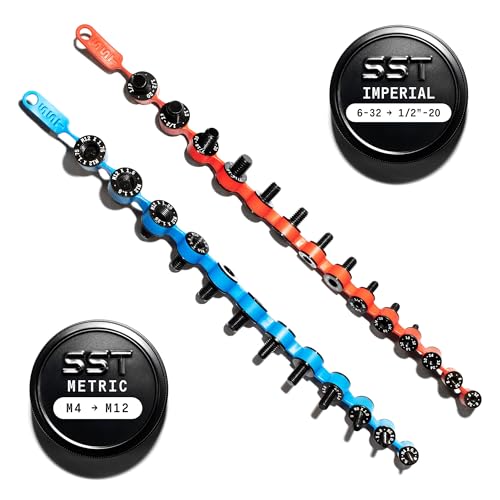
Identibolt FLEX: Portable Nut & Bolt Thread Gauge (Imperial & Metric)
Stupid Simple Tools
Mid-Range
Saker Bolt and Nut Thread Checker gauge, metric & standard sizes
Saker
Budget
Nut and bolt thread checker - SAE & Metric thread gauge
A&O Mercantile
Budget
Nut and bolt thread checker: 42 sizes, metric & imperial, drill gauge
PUIOCO
Budget
T&D 42 Holes Nut and Bolt Thread Checker – inch & metric
T&D product
Budget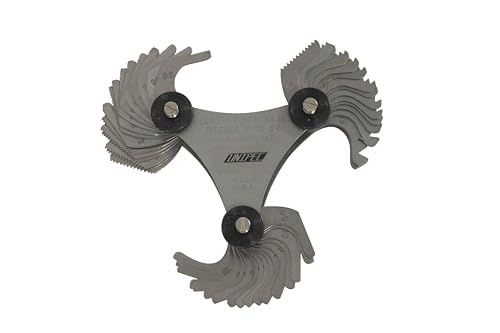
UNIPEC Screw Pitch Gauge, 51 leaves, 484 TPI, English thread gage
UNIPEC
Mid-Range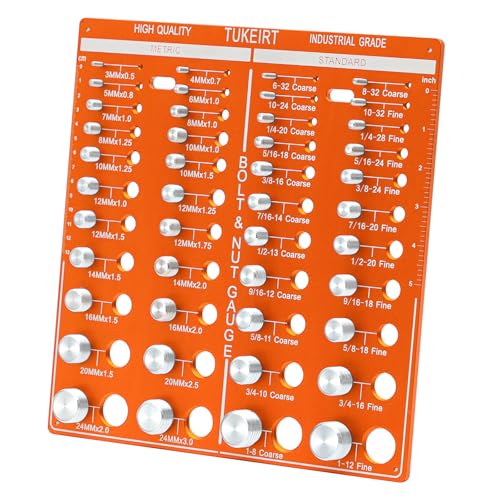
44 Nut and Bolt Thread Gauge with metric and imperial scales
Tukeirt
Budget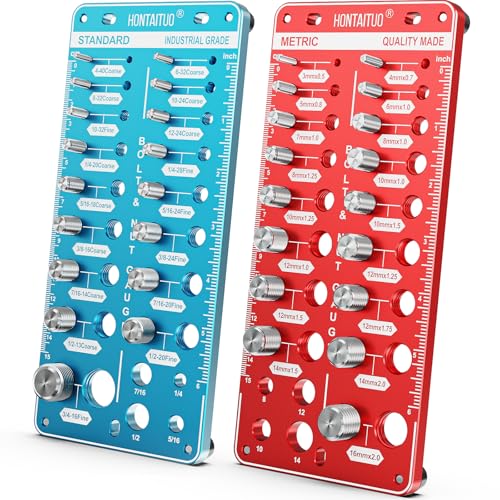
Nut and bolt thread gauge set, 42 sizes, aluminum
HONTAITUO
Budget
44 Nut and Bolt Thread Checker Gauge
Tukeirt
Budget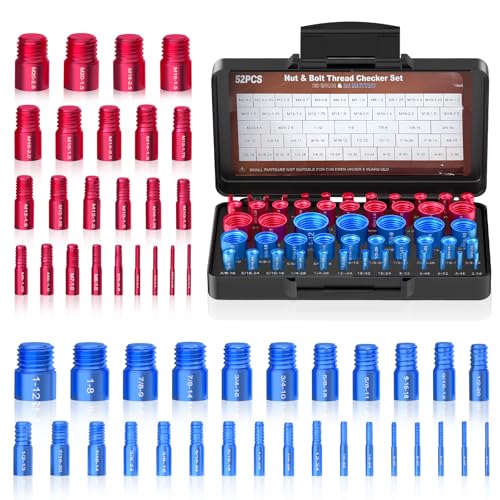
52pc thread checker kit: sae & metric bolt gauges
MENGBEI
Mid-Range
DCT Plastic Dowel Thread Tap Kit 1/2in x 8TPI
Deadwood Crafted Tools
Budget
Nut and bolt thread checker set with storage box
ReeMoo
Mid-Range
Identibolt: Threadchecker & Wall Mount for imperial & metric threads
Stupid Simple Tools
Mid-Range
Thread Checker 52pcs Nut & Bolt Thread Gauge Set
Aigogo
Mid-Range
Nut and bolt thread checker set (50 pcs) detachable size finder
Comfylichi
Budget
Thread checker 36 nut and bolt thread gauge
FODACEL
Mid-RangeRoundups
Frequently Asked Questions
What is a thread gauge and how do I use one?
A thread gauge is a tool for identifying the pitch and diameter of screws, bolts, or threaded holes; use it by matching the workpiece threads to the gauge teeth or markings until you find the closest fit for both pitch (threads per inch or mm) and major diameter
How do I choose between a screw pitch gauge and a thread ring/plug gauge?
Use a screw pitch gauge to identify thread pitch and approximate size for selection or repair; choose thread ring (external) or plug (internal) gauges when you need a go/no-go verification of dimensional conformance to a specific nominal size and tolerance
What thread standards and sizes should I look for in a set?
Look for sets that cover the standards you work with—common options include Unified UNC/UNF (imperial), Metric ISO (mm pitches), and occasionally Whitworth or specialized ACME threads; size ranges typically cover small fasteners up through several inches or tens of millimeters
How accurate and durable are typical thread gauges in this category?
Most consumer and shop-grade gauges are accurate enough for identification and routine verification; durability depends on material—hardened steel offers longer life and resistance to wear than stamped or plated alloys, which may deform with heavy use
Are there budget-friendly options and what trade-offs should I expect?
Budget sets often cost under $50 and are fine for occasional use and hobby projects, but they may have fewer sizes, lighter construction, or less precise grinding compared with higher-end hardened or calibrated gauges
How should I care for and store thread gauges to maintain accuracy?
Keep gauges clean and dry, wipe off oil and debris after use, store them in their original case or a protective rack, and avoid dropping or using them as pry tools; periodically check critical gauges against a calibrated standard if precise tolerances are required
Do digital or specialty thread measuring tools offer advantages over traditional gauges?
Digital and optical thread measuring tools can provide faster, repeatable numeric readouts and easier documentation for production environments, but they are generally more expensive and may require calibration and power, while traditional gauges remain simple, robust, and inexpensive