Tourniquets
Tourniquets in Tools & Industrial include medical and tactical limb-occlusion devices for hemorrhage control, ranging from budget to mid-range options. The category averages a 4.71 rating across 29 products, with brands like TacMed Solutions among top-listed manufacturers
Top Products

North American Rescue CAT Training Tourniquet (Blue) Gen 7
North American Rescue
Budget
Tactical Tourniquet 1.5 Compression Band (Black)
SOF TOURNIQUET
Mid-Range
Eleven 10 rigid TQ case for C-A-T tourniquet
Eleven 10
Mid-Range
TacMed SOF Tourniquet Gen 5 (Orange) — Military-Grade
TacMed Solutions
Budget
TacMed SOF Tourniquet Gen 5 - Black
TacMed Solutions
Budget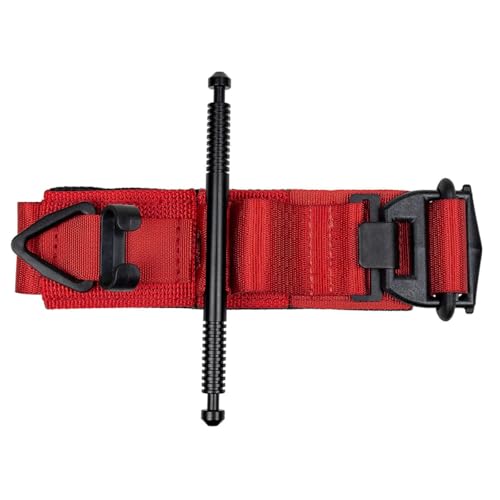
TacMed SOF Tourniquet Gen 5
TacMed Solutions
Budget
SOF Tourniquet (Gen 5) – Military-Grade One-Handed Tourniquet
TacMed Solutions
Budget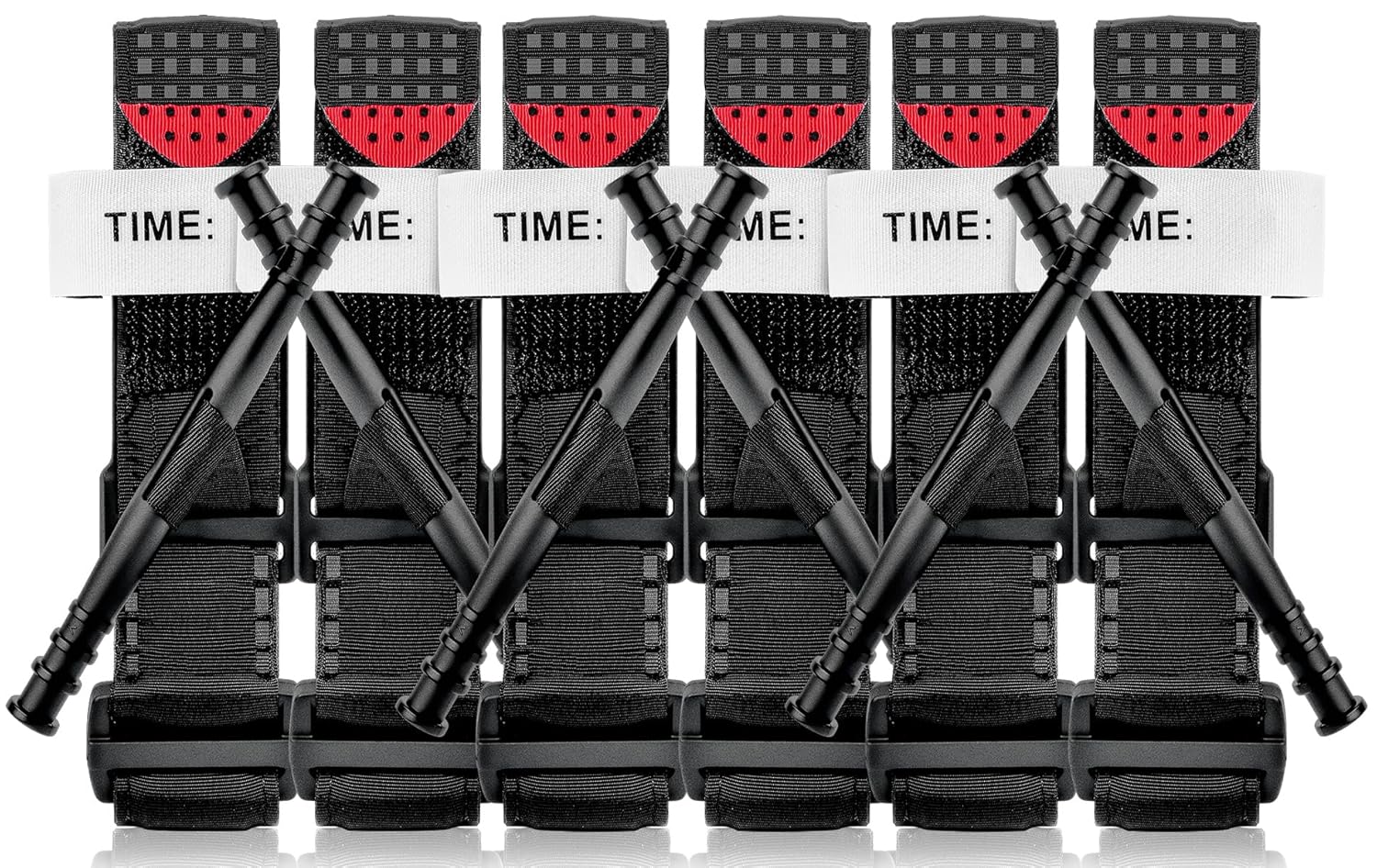
Tourniquet, 6-Pack Tactical Tourniquets - Reinforced with Thicker Nylon Rod
Bencai
Budget
Tourniquet 6-Packs with reinforced windlass one-handed design
musumen
Budget
Rigid TQ tourniquet case with belt attachment
Eleven 10 LLC
Mid-Range
Primacare Disposable Tourniquets, 1" x 18", Latex-Free, Pack of 250
Primacare
Budget
Tactical Mechanical Tourniquet (TMT) One-Handed Application
COMBAT MEDICAL SYSTEMS MILITARY SURPLUS
Budget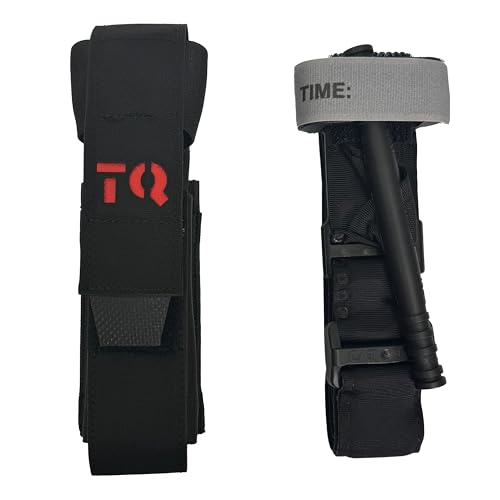
Rescue Essentials CAT GEN 7 Tourniquet with Holder
Rescue Essentials
Mid-Range
REDIBLUE Disposable Tourniquet 1" x 18" (Pack of 250)
REDIBLUE
Budget
Disposable Tourniquet 1" x 18" Orange (Pack of 100)
Vakly
Budget
SOF Tactical Tourniquet 1.5 Compression Band (2 pack) by Getue
Getue
Mid-Range
Sam XT Tourniquet Black
SAM Medical
Budget
Tourniquet Kit (5 Pack) Tactical Hemostatic Tourniquets
UOTT
Mid-Range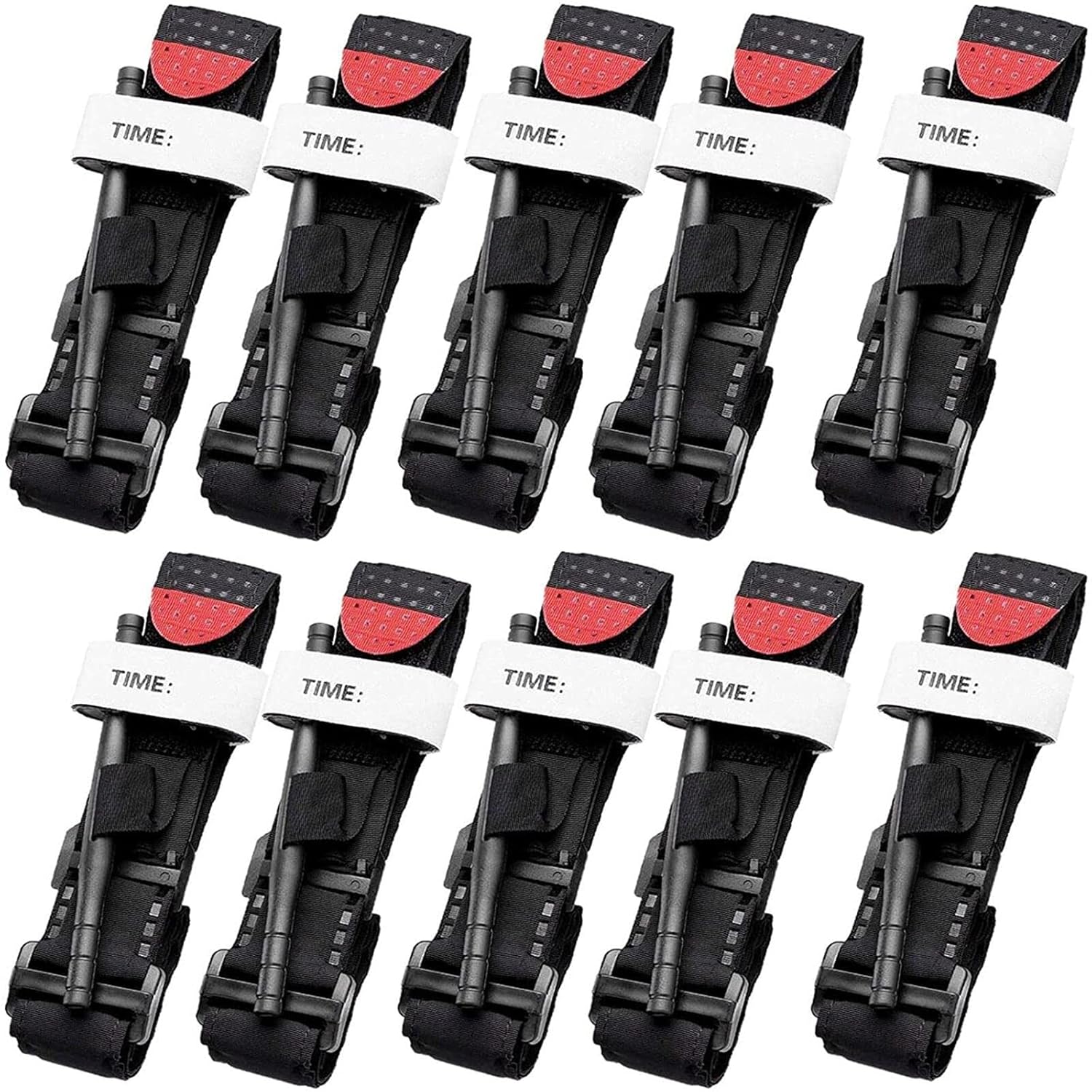
Tourniquets, Combat Tourniquet Medical with Windlass, Single-Handed Application (10 Pack)
eagleeye
Mid-Range
SAM XT Tourniquet - Orange (Metal Windlass)
SAM Medical
Budget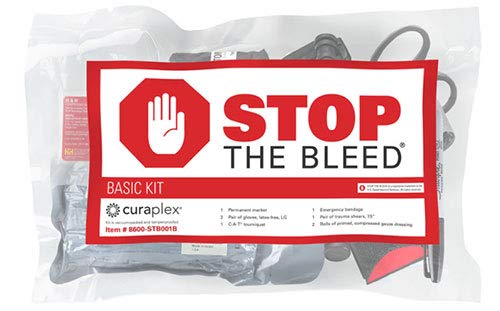
Stop The Bleed Basic Kit with CAT Tourniquet
Curaplex
Mid-Range
Timgle 500 Pack Disposable Tourniquets (Blue) - Non-latex First Aid Elastic Bandages
Timgle
Mid-Range
Tourniquet Kit - 3 Pack, single-handed combat tourniquets
MOLLEQLS
Mid-Range
C-A-T Resources CAT Combat Tourniquet GEN 7 (Gray Time-Stamp)
FIAHNG
Mid-RangeRoundups
Frequently Asked Questions
What types of tourniquets are available and which should I choose?
Common types include windlass tourniquets (rigid rod tightened by twisting), strap-and-buckle or triage-style tourniquets (quick-release straps), and emergency band-style tourniquets. Choose a proven windlass or mechanically advantage design for high-pressure control on major limb bleeding; consider triage-style for rapid application on multiple casualties or for kits where space and simplicity matter
How do I assess quality and reliability when comparing tourniquets?
Look for durable materials (high-strength webbing, corrosion-resistant hardware), a secure locking mechanism that prevents loosening, clear application instructions or markings, and evidence of testing or medical endorsement. User ratings and manufacturer specifications on tensile strength or occlusion performance can help compare reliability across models
What should I consider regarding price and how much should I expect to spend?
Tourniquet prices vary by design and brand; budget options are commonly under $50 while tactical and clinically tested models cost more. Balance cost against durability, proven performance, and the intended use (occasional household kit vs. professional medical or tactical use)
How do I properly apply a tourniquet and how tight should it be?
Apply the tourniquet 2–3 inches above the bleeding site or above a joint, tighten until bleeding stops and distal pulse is absent, and secure the mechanism to maintain pressure. Note the application time on the tourniquet; if bleeding continues after tight application, place a second tourniquet above the first
Can tourniquets be reused and how should they be cleaned or stored?
Many commercial tourniquets are intended for multiple uses but should be inspected after each use; some are single-patient-use in clinical settings. Clean reusable tourniquets per manufacturer instructions (typically wiping with disinfectant), store in a dry accessible location, and replace any unit showing frayed webbing, damaged hardware, or loss of functionality
What certifications or standards should I look for in a tourniquet?
Look for compliance with relevant medical device regulations or standards, such as ISO classifications, and any published testing for occlusion effectiveness or tensile strength. Manufacturer documentation of clinical testing or guidance from recognized medical or military organizations can indicate rigorous evaluation
What accessories or complementary items should I buy with a tourniquet?
Consider pairing a tourniquet with hemostatic dressings, pressure dressings, gloves, shears, and a marker to note application time. A dedicated pouch or mounting system can improve accessibility for first responders or in vehicle/pack setups