Tube Bandages
Tube bandages are elastic tubular dressings used to secure dressings, support joints, and provide compression for arms, legs, fingers, and toes in medical and industrial settings. This Tools & Industrial category includes mid-range options (avg $43) from brands like Medline alongside JJ CARE and Molnlycke
Top Products

Tubular bandage stockinette for legs and knees (4 x 12 yards)
JJ CARE
Budget
Medline Stretch Tubular Elastic Dressing Retention Net, Size 10
Medline
Mid-Range
JJ CARE tubular bandage stockinette for legs and knees
JJ CARE
Mid-Range
Elastic tubular bandage with scissors, size J, 6.9" x 33', Medcore
Medcore
Budget
Medline Elastic Net Retention Dressing, size 11, XL
Medline
Mid-Range
Molnlycke Tubular Bandage, E beige
Molnlycke
Budget
Medline Medigrip Elastic Tubular Bandage, Size C (6.8 cm) for Adult Arms/Legs
Medline
Mid-Range
Medline Elastic Tubular Bandages, Size D for large limbs
Medline
Mid-Range
Medline elastic tubular bandages for legs
Medline
Mid-Range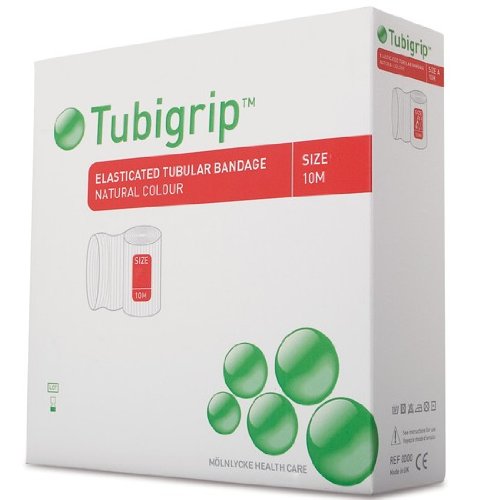
Tubular Bandage Size C 10M Box Beige
Tubigrip
Mid-RangeRoundups
Frequently Asked Questions
What are tube bandages and when should I use them?
Tube bandages are seamless, tubular elastic dressings used to hold wound dressings in place, provide light compression, or protect fingers, toes, and limbs; use them for securing gauze, reducing friction, or providing consistent support on uniform-shaped areas
How do I choose the right size and compression level?
Select size by measuring the circumference of the body part and choosing the tube bandage size that matches that measurement; for compression, choose light support for protection, medium for mild swelling control, and higher compression only when specified by a clinician
What materials and features should I look for in the Tools & Industrial category?
Look for durable, washable elastic or knitted fabrics (cotton blends or synthetic elastomers), reinforced edges to prevent rolling, options with different lengths and diameters, and heat-resistant or sterile options if needed for industrial or repeated-use applications
Are tube bandages reusable and how do I clean them?
Most non-sterile tube bandages are reusable; wash by hand or machine on a gentle cycle with mild detergent, avoid high heat when drying to preserve elasticity, and replace when stretched out, torn, or no longer providing intended support
Can tube bandages be cut to fit or combined with other dressings?
Yes, many tube bandages can be cut to the required length and layered or used over dressings, but avoid cutting if it will cause fraying unless the product specifies cut-to-fit use; secure cut edges with tape or a finishing method recommended by the manufacturer
What safety considerations or contraindications should I be aware of?
Do not apply tube bandages too tightly—watch for numbness, color change, increased pain, or swelling—avoid use over infected wounds without clinical advice, and consult a healthcare provider for patients with circulation issues, diabetes, or impaired sensation
How do prices typically vary for tube bandages in this category?
Prices vary by brand, material, and pack size; shoppers can expect budget options under $50 and higher-cost or specialty items above that, with the average price across similar Tools & Industrial listings around the low tens of dollars per pack