Twine
Industrial and hobbyist twine offerings including heavy-duty baling twine, sisal and polypropylene lines, and dispenser tools for tying, bundling, and packaging. Fifteen indexed products average a 4.69 rating and range from about $33 to $329, with brands like ACE Supply represented
Top Products
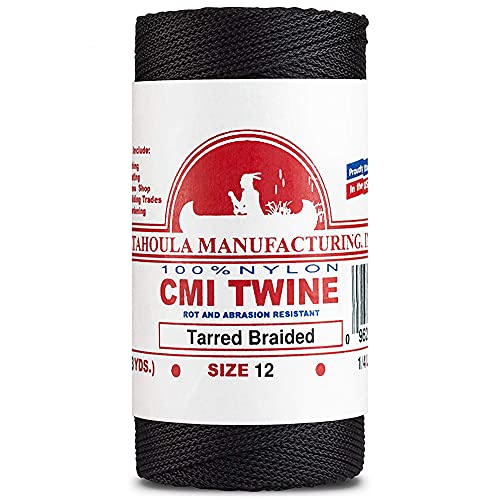
Catahoula Tarred Braided Nylon Twine #12
Catahoula Manufacturing, Inc.
Budget
Catahoula Tarred Nylon Twine #09, 1lb spool
Catahoula Manufacturing, Inc.
Budget
Pink Mason Line String #18 Braided Nylon String 6000 ft
ACE Supply
Mid-Range
White Mason Line String #18 Braided Nylon 6000 ft
ACE Supply
Mid-Range
Yellow mason line string, 6000 ft braided nylon twine
ACE Supply
Mid-Range
Hemp Twine for Gardening & Crafts - 4mm Natural Hemp String, 140 ft
Bean Products
Budget
Amylove 6 Roll Mason Nylon String, Fluorescent Yellow
Amylove
Budget
Amylove 6 Roll Nylon Mason Line – Fluorescent Pink Twine (500 ft)
Amylove
Budget
9-ply waxed twine, 160 lbs tensile, 5-pack, 500 ft
WAXAW
Mid-Range
1mm x 5000ft Red Jute Rope – Gardening & Crafts
IMROPE
Budget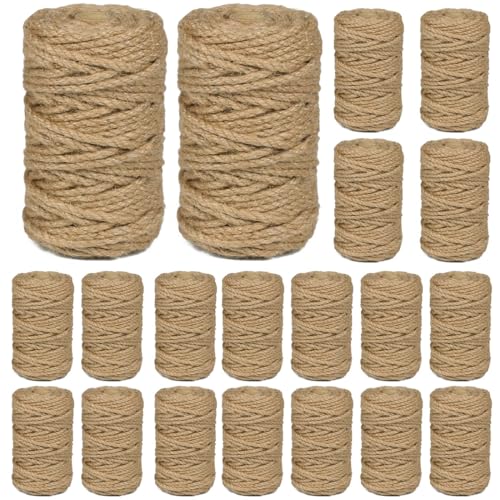
Natural jute twine rope 20 pcs 5mm heavy duty garden craft bundle
PerkDecor
Mid-Range
Orange Mason Line String 36 Roll Pack #18 Braided Nylon
ACE Supply
Premium
Polypropylene Tying Twine - 1 Ply White Poly Twine 8500' Roll
Xpose Safety
Mid-Range
Polypropylene Twine 2 Ply White, 4200' Roll
Xpose Safety
Mid-Range
Polypropylene Tying Twine - 3 Ply White 2800' Roll
Xpose Safety
Mid-RangeRoundups
Frequently Asked Questions
What types of twine are available and which should I choose for general-purpose use?
Common twine types include natural fibers (cotton, jute, sisal) and synthetic fibers (polypropylene, nylon, polyester). For general-purpose tasks like bundling, gardening, or crafting, cotton or polypropylene twine offer a balance of strength, flexibility, and affordability
How do I choose the right thickness and tensile strength for my project?
Select twine thickness based on load and abrasion: thin twine (light gauge) suits lightweight craft or garden ties, medium gauge handles general household and packaging, and heavy gauge or high-tensile synthetic twine is needed for lifting, towing small loads, or outdoor uses where strength and durability matter
Are natural fiber twines or synthetic twines better for outdoor use?
Synthetic twines like polypropylene and polyester resist rot, mildew, and UV damage better than natural fibers, so they are generally preferable for prolonged outdoor exposure; natural fiber twines biodegrade faster and are often chosen for compostable or rustic applications
How should I care for and store twine to maintain its strength and lifespan?
Store twine in a cool, dry place away from direct sunlight and moisture to prevent degradation; keep it on a spool or in a sealed container to avoid tangles and contamination, and trim frayed ends before use to preserve integrity
What safety considerations should I follow when using twine for lifting or securing loads?
Never exceed the twine's rated tensile strength, avoid sharp edges that can cut the fibers, use appropriate knots or protective sleeves to distribute load, and inspect twine for wear, fraying, or UV damage before reuse
How do I estimate how much twine I need for a project?
Measure the length required for one repeat of the task (e.g., one bundle, one row of plants), multiply by the number of repeats, and add 10–20% extra for knots and waste; consider buying slightly more when working with thick twine or complex knots
What features or specifications should I compare when shopping across brands?
Compare fiber material, tensile strength or load rating, diameter or gauge, UV and moisture resistance, spool size or yardage, and any manufacturer care instructions to match the twine to your intended use and budget