Under-Sink & Countertop Filtration
Under-Sink & Countertop Filtration covers water treatment systems and replacement filters for under-sink, countertop, and inline installations, plus related fittings and installation tools. The category spans budget to premium options (average price about (price varies)) with brands like iSpring among the most represented and an average rating of 4.48 across 289 indexed products
Top Products

Waterdrop 10UAW-UF Under-Sink Water Filter
Waterdrop
Mid-Range
CuZn under-sink water filter with 1-year life
CuZn
Mid-Range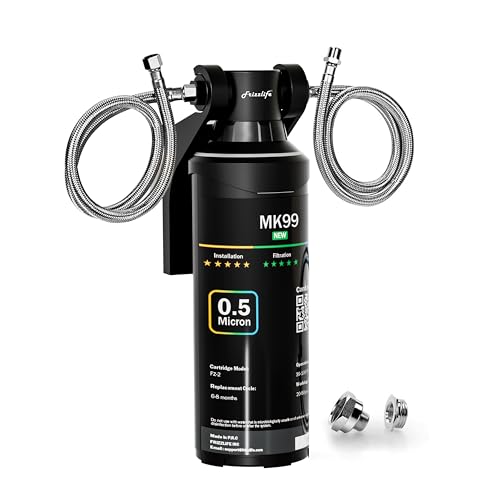
Frizzlife under-sink water filtration system with 0.5 micron filter
FRIZZLIFE
Mid-Range
Waterdrop 15UA Under Sink Water Filter System
Waterdrop
Mid-Range
Culligan under-sink drinking water filtration system with dedicated faucet
Culligan
Mid-Range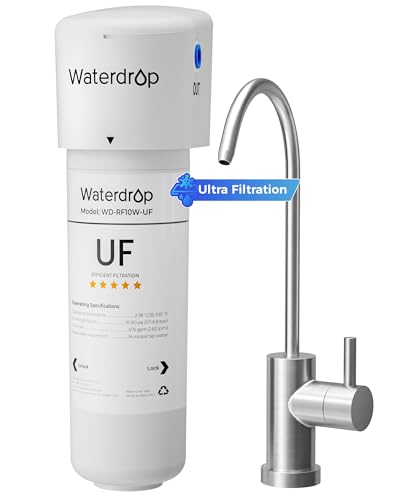
Waterdrop Under Sink Filtration System with UF Membrane
Waterdrop
Mid-Range
CuZn Under Sink Water Filter UC-150
CuZn
Mid-Range
iSpring 4 Gallon Pressurized Water Storage Tank with Ball Valve
iSpring
Mid-Range
iSpring 5-Micron 20 x 4.5 Sediment Filter FP25BX2
iSpring
Budget
iSpring WSP-200 Whole House Spin Down Sediment Filter
iSpring
Mid-Range
iSpring WSP-50 reusable whole-house spin-down sediment filter
iSpring
Mid-Range
iSpring FC25B Whole House Carbon Block Filter 20 x 4.5
iSpring
Mid-Range
Filtrete Under Sink Quick Change Water Filtration System
Filtrete
Mid-Range
GE whole house water filtration system with install kit
GE
Mid-Range
CuZn UC-200 under-sink water filter
CuZn
Premium
Waterdrop under-sink water filtration system
Waterdrop
Mid-Range
iSpring WSP-100 Whole House Spin Down Sediment Filter
iSpring
Mid-Range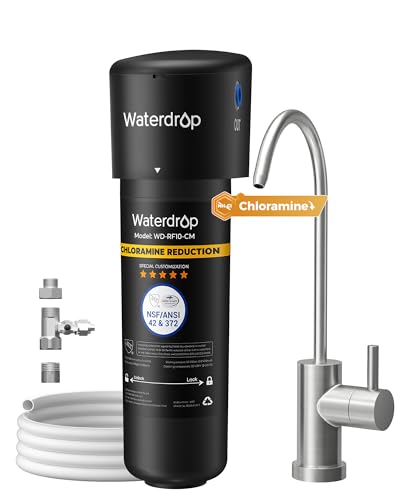
Waterdrop under-sink water filter system with faucet
Waterdrop
Mid-Range
iSpring 4-stage under-sink water filtration system
iSpring
Premium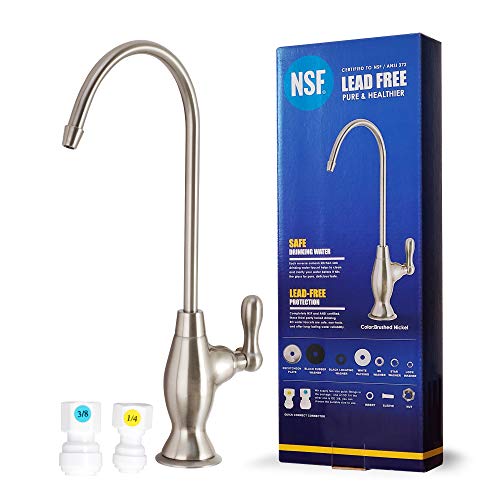
Water Filtration RO Faucet (Brushed Nickel) NSF Certified, Lead-Free
Water Filter Tec
Mid-Range
Waterdrop bathroom water filter for facial care
Waterdrop
Mid-Range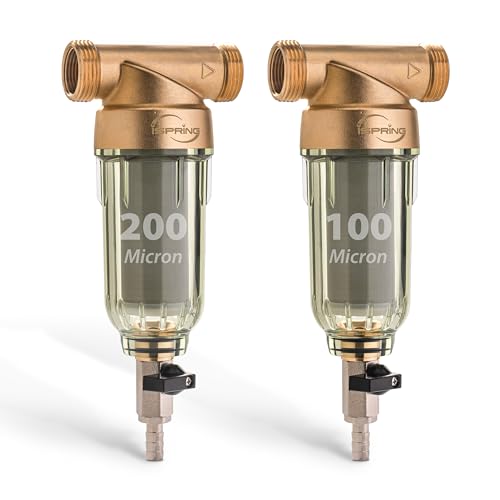
iSpring WSP2PK21 reusable whole house sediment filters
iSpring
Premium
Waterdrop Under Sink Water Filter System with UF membrane
Waterdrop
Mid-Range
iSpring 5-Micron CTO Carbon Block Filter 10"x4.5" Under Sink & Whole House
iSpring
BudgetRoundups
Frequently Asked Questions
How do I choose between under-sink and countertop filtration for my kitchen?
Choose under-sink systems if you want a permanent, out-of-sight solution with higher flow and larger capacity; choose countertop units for easy installation, portability, and when you cannot modify plumbing. Consider available space, installation ability, and desired daily filtered water volume
What contaminant removal technologies should I look for?
Common effective technologies include activated carbon for chlorine and organic compounds, reverse osmosis (RO) for dissolved solids and heavy metals, and ultrafiltration/ceramic for bacteria and particulates; many systems combine multiple stages to address a broader range of contaminants
How do I match a filter system to my water quality?
Start with a water quality test or your municipal water report to identify chlorine, lead, hardness, or microbial issues, then choose a system with certified reduction claims (e.g., NSF/ANSI standards) that target those contaminants
What are the typical installation and maintenance requirements?
Under-sink systems usually require basic plumbing connections and occasional filter or membrane replacements every 6–24 months depending on use; countertop units typically connect to the faucet and need simpler cartridge changes—follow manufacturer schedule and replace filters when capacity or flow declines
How much should I budget for an effective system and ongoing costs?
Entry-level countertop filters can be under $100, while multi-stage under-sink or RO systems commonly range from around $150 up to several hundred dollars; factor in recurring cartridge or membrane replacement costs, which vary by model and usage
What flow rate and capacity should I expect from these systems?
Countertop filters typically provide enough filtered water for a few liters per day, while under-sink and RO systems can supply several gallons per day; RO systems have lower output and may include storage tanks to meet higher short-term demand—check gallons-per-day (GPD) and tank size specs
Are there certifications or standards I should verify?
Look for third-party certifications such as NSF/ANSI 42 for aesthetic effects (chlorine, taste), 53 for health-related contaminants (lead, VOCs), and 58 for reverse osmosis systems, which indicate independently tested performance claims